The rising popularity of goth farmhouse interiors proves that dark design can feel just as welcoming as bright, minimalist spaces. Instead of creating gloomy rooms, goth farmhouse style combines rustic countryside charm with elegant Gothic influences, resulting in interiors that feel dramatic, cozy, luxurious, and timeless. Rich black finishes, weathered wood, antique furniture, wrought iron accents, vintage lighting, and natural textures work together to create a home filled with personality and warmth.
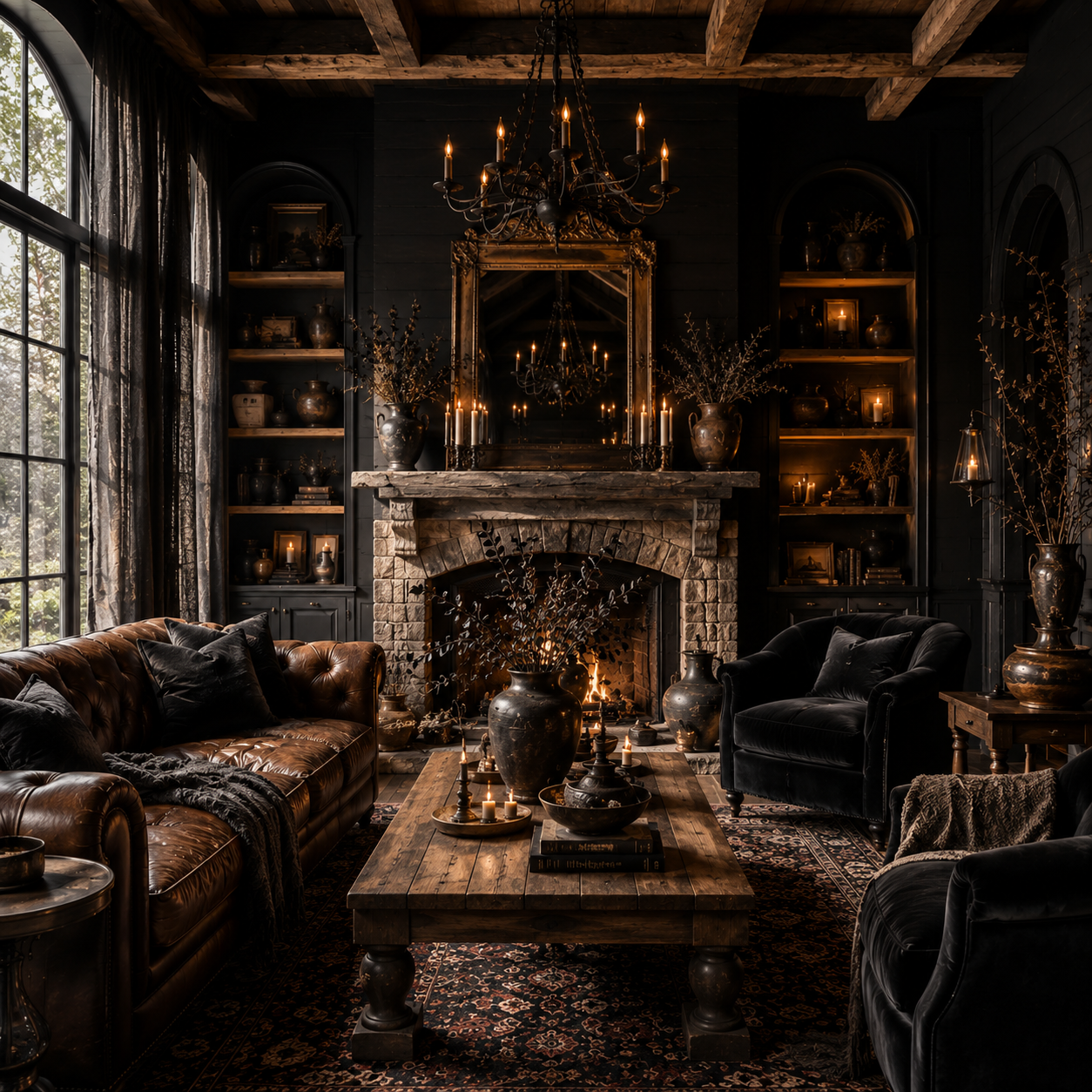
Unlike traditional farmhouse décor that focuses heavily on white walls and distressed pastel furniture, goth farmhouse embraces contrast. Deep charcoal walls meet reclaimed oak beams, antique chandeliers illuminate rustic dining rooms, and velvet textiles soften rough natural wood. The result is a sophisticated balance between romance and ruggedness.
Whether decorating an old farmhouse, renovating a suburban home, or simply refreshing one room, there are countless ways to embrace this striking aesthetic without sacrificing comfort. This guide explores the best goth farmhouse ideas, practical styling advice, furniture recommendations, color palettes, lighting inspiration, and decorating secrets that can help every room feel both hauntingly beautiful and inviting.
🖤 What Is Goth Farmhouse Style
Goth farmhouse is an interior design style that blends the rustic warmth of traditional farmhouse living with the dramatic elegance of Gothic architecture and Victorian-inspired décor.
Rather than appearing spooky or theatrical, authentic goth farmhouse interiors feel grounded, layered, and sophisticated. The design celebrates natural materials while introducing darker colors, vintage character, ornate details, and luxurious textures.
Common characteristics include:
- 🪵 Reclaimed wood beams
- 🖤 Matte black finishes
- 🕯 Antique candle holders
- 🌿 Natural dried botanicals
- 🪞 Vintage mirrors
- ⚒ Wrought iron hardware
- 🪑 Antique wooden furniture
- 🧺 Linen textiles
- 🖼 Oil paintings
- 🕰 Heirloom accessories
The beauty of goth farmhouse lies in balance. Dark colors never overwhelm because warm woods, natural fabrics, and soft lighting keep every room comfortable and welcoming.
🌑 Why Goth Farmhouse Has Become One of the Biggest Interior Design Trends
Interior trends constantly evolve, yet homeowners increasingly search for designs that feel authentic rather than temporary.
Goth farmhouse delivers exactly that.
Instead of copying minimalist homes that sometimes feel sterile, this aesthetic embraces character, history, craftsmanship, and emotional warmth.
Several reasons explain its growing popularity:
- 🖤 Rich personality
- 🌲 Natural materials
- 🏡 Cozy atmosphere
- ✨ Timeless elegance
- 📸 Highly photogenic interiors
- 🕯 Luxurious layered lighting
- 🌿 Sustainable vintage decorating
Social media platforms have also helped introduce this style to wider audiences. Designers combine historic architecture with contemporary comforts, creating spaces that feel cinematic without becoming impractical.
🏡 The Best 3 Goth Farmhouse Design Styles
Every goth farmhouse home has its own personality. Some lean heavily toward historic Gothic elegance, while others remain rooted in classic country living.
Here are the three most inspiring interpretations.
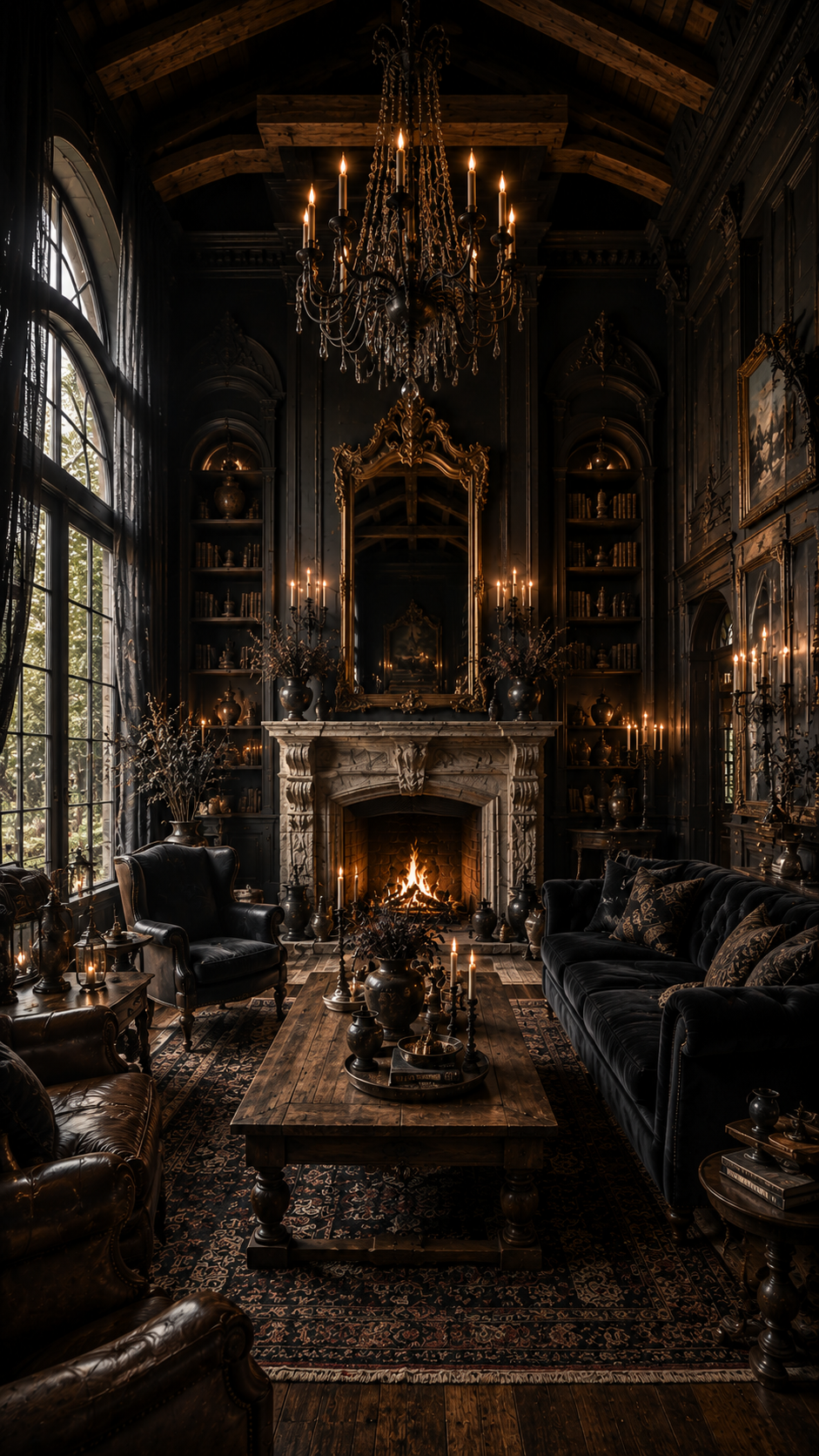
🥇 Best 1 Classic Victorian Goth Farmhouse
The Victorian version represents the most luxurious interpretation of goth farmhouse.
Large antique furniture pieces, elaborate chandeliers, decorative moldings, and dramatic black accents create a refined atmosphere inspired by historic manor houses.
Key features include:
- 🖤 Black paneled walls
- 🪵 Dark walnut flooring
- 🕯 Crystal chandeliers
- 🪞 Oversized antique mirrors
- 📚 Floor-to-ceiling bookshelves
- 🌹 Dried floral arrangements
- 🛋 Deep velvet seating
- ⚜ Brass candle holders
Although visually dramatic, natural daylight remains essential. Large farmhouse windows soften the darker finishes while allowing wood textures to shine beautifully.
This version works especially well in homes with high ceilings, original trim, and historic architectural details.
🥈 Best 2 Modern Goth Farmhouse
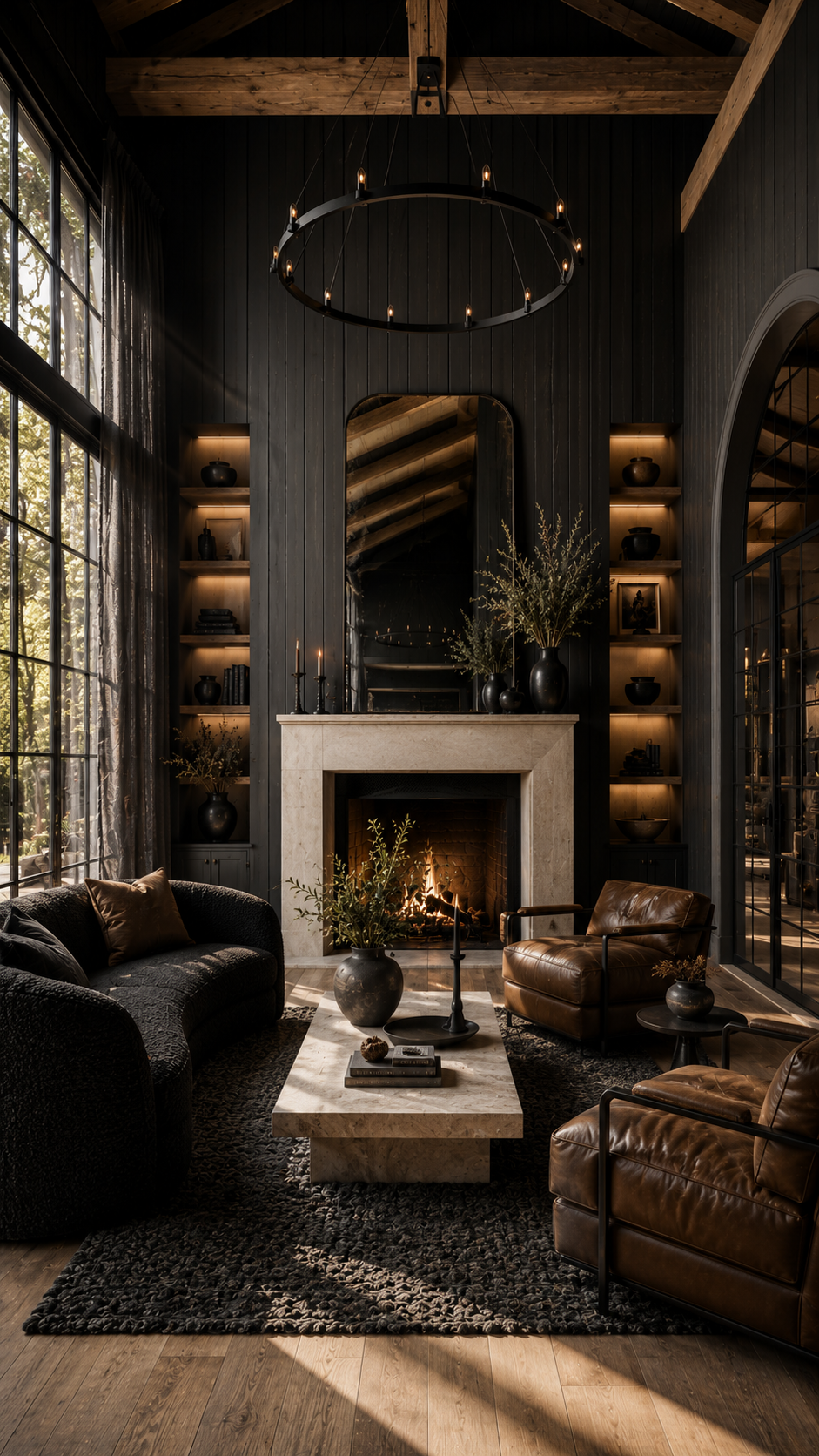
Modern goth farmhouse simplifies traditional Gothic elements while preserving warmth.
Rather than excessive ornamentation, it emphasizes clean lines, oversized furniture, and carefully selected statement pieces.
Popular elements include:
- ⚫ Matte black kitchens
- 🌲 White oak flooring
- 🪑 Scandinavian-inspired furniture
- 🕯 Minimal black lighting
- 🌿 Olive trees
- 🧺 Linen curtains
- 🪨 Natural stone countertops
- ⚒ Black steel shelving
The restrained approach creates an interior that feels luxurious without appearing overly formal.
Modern goth farmhouse is especially suitable for newly built homes because subtle Gothic influences integrate naturally with contemporary architecture.
🥉 Best 3 Cottage Goth Farmhouse
For homeowners seeking romance and coziness, cottage goth farmhouse offers the perfect balance.
Instead of focusing on grandeur, this version celebrates handcrafted details, weathered finishes, and intimate spaces.
Typical design features include:
- 🌑 Charcoal painted cabinets
- 🌾 Dried lavender bouquets
- 🪵 Reclaimed wooden tables
- 🕯 Vintage lanterns
- 🪟 Small divided windows
- 🧶 Chunky knit blankets
- 🌿 Moss-inspired greenery
- 📚 Antique books
This interpretation feels peaceful, artistic, and deeply personal.
It captures the spirit of countryside living while introducing mysterious elegance through darker finishes and carefully curated vintage décor.

🎨 Choosing the Perfect Goth Farmhouse Color Palette
Color forms the foundation of every successful goth farmhouse interior.
Rather than relying on pure black everywhere, designers layer numerous dark neutrals together.
| Color | Best Uses | Creates |
|---|---|---|
| Matte Black | Cabinets, doors | Bold contrast |
| Charcoal | Walls | Depth |
| Graphite | Furniture | Sophisticated elegance |
| Deep Olive | Accent walls | Organic richness |
| Forest Green | Built-ins | Historic character |
| Warm Taupe | Upholstery | Soft balance |
| Cream | Linen textiles | Brightness |
| Natural Oak | Flooring | Warmth |
| Walnut | Furniture | Timeless luxury |
| Antique Brass | Hardware | Vintage elegance |
Using several complementary dark tones instead of one flat black creates interiors that feel layered and inviting.
🪵 Natural Materials That Define Goth Farmhouse
One reason goth farmhouse never feels artificial is its emphasis on authentic materials.
Wood should display visible grain.
Stone should showcase natural variation.
Linen should wrinkle beautifully.
Leather should develop character over time.
The most commonly used materials include:
- 🌳 Reclaimed oak
- 🪵 Walnut
- 🪨 Limestone
- 🧱 Brick
- ⚒ Forged iron
- 🪞 Aged mirrors
- 🪶 Velvet
- 🧺 Linen
- 🪑 Solid hardwood furniture
- 🪴 Handmade ceramics
Every material contributes visual depth while celebrating craftsmanship.
Important Note: Goth farmhouse is most successful when natural textures remain the focal point. Avoid filling every room with black décor. Instead, allow wood, stone, linen, and vintage finishes to create warmth while dark colors serve as elegant accents.
💡 Lighting Ideas for Goth Farmhouse Interiors
Lighting completely transforms dark interiors.
Without proper illumination, deep colors can appear flat or overwhelming.
The solution lies in layered lighting.
Start with large statement fixtures such as wrought iron chandeliers.
Add warm wall sconces for architectural interest.
Table lamps with linen shades soften reading corners.
Candles provide flickering ambiance during evenings.
Pendant lights over kitchen islands create dramatic focal points while maintaining practical functionality.
Warm white bulbs between 2700K and 3000K generally produce the richest atmosphere.
Natural daylight remains equally important. Large windows paired with sheer linen curtains help soften darker palettes while preserving privacy.
🛋 Decorating Every Room With Goth Farmhouse Style
Each room offers unique opportunities to embrace the aesthetic.
🖤 Living Room
The living room should combine comfort with elegance.
Layer leather seating alongside velvet accent chairs.
Mix reclaimed wood coffee tables with vintage brass accessories.
Display antique books, botanical artwork, and oversized mirrors for timeless appeal.
Area rugs featuring faded Persian patterns complement dark hardwood floors beautifully.
🍽 Dining Room
Dining spaces naturally suit goth farmhouse design.
Large reclaimed oak tables become dramatic centerpieces beneath oversized iron chandeliers.
Black spindle chairs, linen runners, ceramic dinnerware, and dried eucalyptus arrangements create effortless sophistication.
The atmosphere encourages slow family dinners and memorable gatherings.
🍳 Kitchen
Dark cabinetry pairs beautifully with butcher block countertops or natural stone surfaces.
Open wooden shelving displays handcrafted pottery.
Antique brass cabinet pulls introduce vintage charm.
Matte black faucets complete the look while remaining practical for everyday use.
🛏 Bedroom
Bedrooms should feel romantic rather than overwhelming.
Choose charcoal walls balanced by ivory bedding.
Layer velvet cushions, chunky knit blankets, and antique bedside tables.
A vintage chandelier or wrought iron pendant creates an unforgettable focal point above the bed.
🛁 Bathroom
Bathrooms become luxurious retreats through thoughtful material combinations.
Black vanities contrast beautifully with marble countertops.
Vintage mirrors soften modern plumbing fixtures.
Candles, linen towels, and handcrafted ceramic containers elevate everyday routines into relaxing rituals.
🌿 Bringing Nature Into Goth Farmhouse Design
Although goth farmhouse embraces darker colors, nature remains central to the aesthetic.
Organic elements soften dramatic interiors while reinforcing farmhouse authenticity.
Excellent choices include:
- 🌿 Olive branches
- 🌾 Pampas grass
- 🍂 Dried hydrangeas
- 🌱 Eucalyptus
- 🌲 Cedar greenery
- 🍃 Moss arrangements
- 🌹 Dried roses
- 🌼 Cotton stems
Natural materials prevent interiors from feeling overly formal or theatrical.
🪞 Vintage Finds That Elevate Goth Farmhouse Interiors
Vintage shopping adds authenticity impossible to recreate with brand-new furniture.
Look for:
- 🕰 Antique clocks
- 📚 Leather-bound books
- 🪞 Ornate mirrors
- 🪑 Farmhouse benches
- ⚱ Iron candle holders
- 🧳 Vintage trunks
- 🖼 Oil paintings
- 🪵 Weathered cabinets
Each unique piece contributes history and personality while making the home feel collected over generations.
⚠ Common Goth Farmhouse Decorating Mistakes
Even beautiful ideas can become overwhelming if balance is ignored.
Avoid these common mistakes:
❌ Painting every wall pure black
❌ Ignoring natural light
❌ Buying inexpensive fake vintage décor
❌ Using too many Gothic ornaments
❌ Forgetting comfortable seating
❌ Eliminating warm wood tones
❌ Mixing unrelated decorating styles
❌ Choosing cold blue lighting
Thoughtful restraint creates more elegant interiors than excessive decoration.
✨ How to Make Goth Farmhouse Feel Cozy Instead of Dark
The secret isn’t using fewer dark colors.
Instead, successful designers introduce warmth through contrast.
Soft linen curtains diffuse sunlight.
Natural oak furniture reflects warm tones.
Velvet cushions add tactile comfort.
Layered rugs reduce visual heaviness.
Candles produce movement and intimacy.
Fresh greenery introduces life.
When these elements work together, the home feels luxurious rather than intimidating.
🏡 Final Thoughts on Goth Farmhouse
The enduring appeal of goth farmhouse comes from its remarkable ability to blend dramatic beauty with everyday comfort. Instead of choosing between rustic simplicity and elegant sophistication, this design style embraces both. Rich black finishes, reclaimed wood, vintage treasures, natural stone, warm lighting, and luxurious textiles come together to create interiors filled with depth, personality, and timeless character.
Whether you are drawn to the grandeur of a Victorian-inspired home, the clean elegance of a modern interpretation, or the intimate charm of a cozy cottage retreat, goth farmhouse offers endless opportunities for creative expression. By layering authentic materials, balancing dark colors with warm natural textures, and thoughtfully curating antique-inspired décor, any space can become both inviting and unforgettable.
As trends continue to evolve, goth farmhouse stands apart because it celebrates craftsmanship, history, and individuality. Rather than following temporary decorating fads, it creates homes that feel meaningful, distinctive, and beautifully lived in for years to come.
Related posts:

Top 3 Ganpati Decoration at Home Ideas That Will Make Your Celebration Look Absolutely Stunning
Top 3 Dorm Whiteboard Ideas That Are Cute and Actually Useful
Top 3 Fall Entry Table Decor Ideas That Make Your Home Look Instantly Expensive
Top 3 Fall Chalkboard Ideas That Make Every Autumn Space Look Instantly Cozy
Top 3 Black Accent Walls That Make Any Room Look Instantly More Expensive