A beautiful home does not always need expensive furniture, dramatic renovations, or perfectly coordinated decorations. Sometimes, the most unforgettable interiors are the ones that make you feel instantly relaxed the moment you walk through the door. The secret lies in creating a cozy house aesthetic that combines comforting textures, thoughtful lighting, inviting colors, and meaningful details into a home that feels effortlessly beautiful.

Imagine entering a living room illuminated by a softly glowing vintage lamp. A plush sofa is dressed with knitted throws, an antique wooden table holds a small ceramic vase, and natural materials create a peaceful connection between the indoors and the outside world. Everything feels intentional without being overly arranged.
That is the beauty of a cozy house aesthetic. It celebrates warmth, personality, and everyday comfort while maintaining an elegant visual identity.
Unlike decorating trends that focus entirely on minimalism or luxury, cozy home design is wonderfully flexible. It can embrace romantic vintage pieces, sophisticated earthy colors, or airy natural materials. The most successful spaces are not necessarily the most expensive or the most fashionable. They are the ones that make everyday moments feel special.
Whether you are decorating a charming countryside residence, refreshing a contemporary family home, or transforming a modest house into a peaceful retreat, these three inspiring approaches offer surprisingly beautiful possibilities.
From nostalgic cottage charm to atmospheric modern interiors and sunlit organic spaces, discover how to create a home that feels welcoming, personal, and exceptionally comfortable.
🥇 Best 1 Cozy House Aesthetic With Romantic Vintage Warmth and Timeless Cottage Charm
There is something irresistibly comforting about a home that looks as though it has collected beautiful memories over generations. Romantic vintage interiors combine delicate patterns, weathered wooden furniture, soft upholstery, and nostalgic decorative details to create an atmosphere that feels wonderfully intimate.
This cozy house aesthetic is inspired by traditional English cottages, European countryside residences, and the quiet beauty of thoughtfully preserved antique furnishings.
However, achieving the look does not require living in an actual cottage or filling every room with antiques.
The secret is to introduce vintage-inspired materials and charming details into a carefully balanced interior.
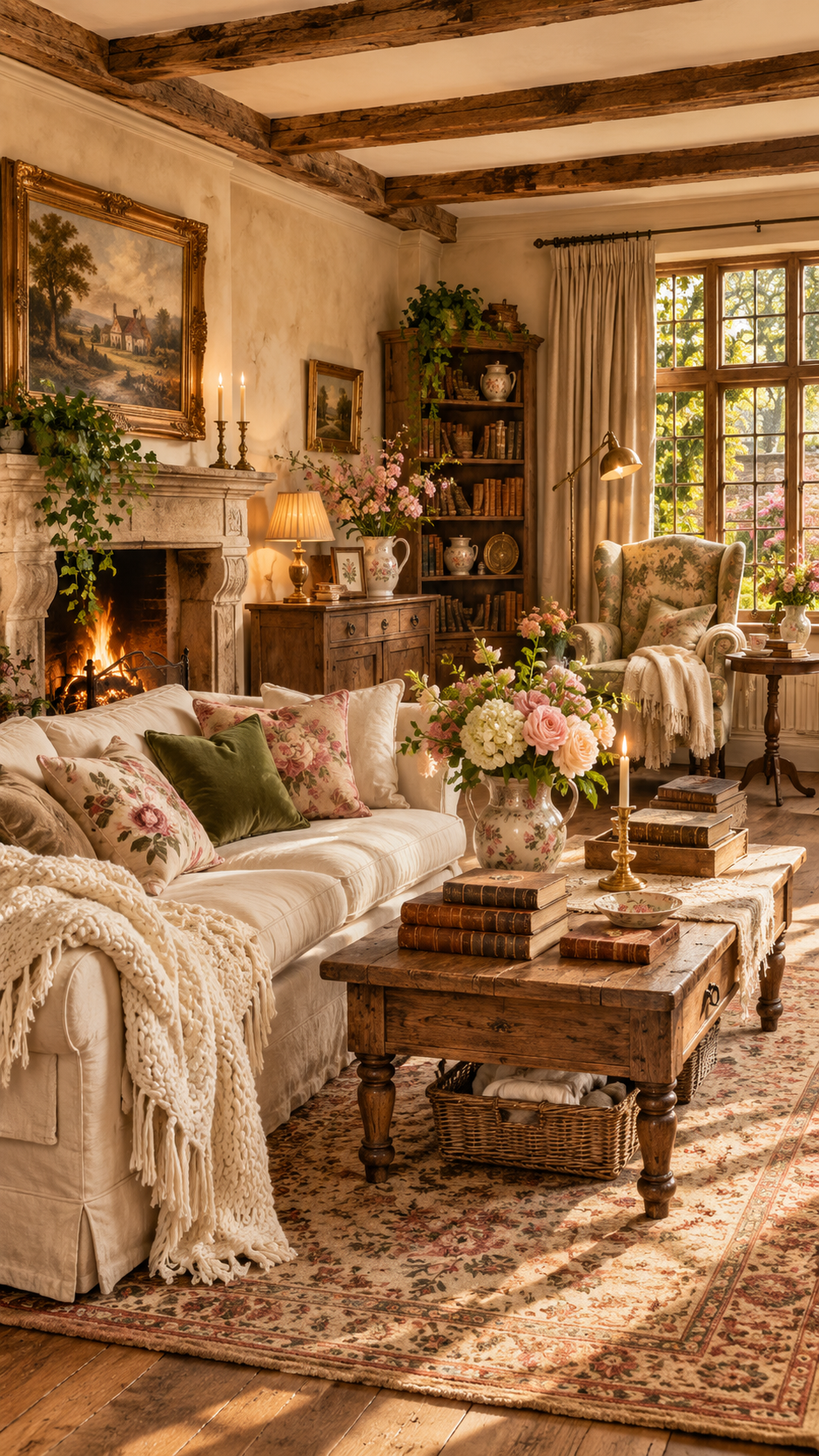
Create a Warm Foundation With Romantic Neutral Colors
The foundation of a romantic vintage home begins with a gentle color palette.
Instead of using bright white throughout the house, introduce warmer shades that soften the atmosphere and create visual harmony.
Beautiful options include creamy ivory, antique beige, dusty rose, muted sage, warm taupe, and delicate oatmeal.
These colors look especially appealing when combined with natural wood and traditional decorative elements.
For example, a living room featuring creamy walls, an oatmeal-colored sofa, and a dark oak coffee table immediately feels more inviting than a room dominated by cold gray surfaces.
A muted floral cushion or antique brass lamp can provide enough personality without overwhelming the composition.
The goal is not to make every room look identical. Instead, use a recurring family of warm colors to establish a gentle connection between different spaces.
Introduce Vintage Wooden Furniture With Character
Furniture is one of the most effective ways to communicate cottage-inspired warmth.
Consider replacing one ordinary contemporary piece with something that features distinctive wood grain, traditional craftsmanship, or a beautifully aged finish.
A small antique sideboard can become the focal point of a dining room. A vintage wooden bench may transform an overlooked hallway into an inviting entrance. A simple farmhouse-style table can make an everyday kitchen feel significantly more charming.
When choosing furniture, prioritize pieces that offer practical storage and long-term usefulness.
You do not need an entire collection of matching antique furniture. In fact, mixing a few vintage elements with comfortable contemporary seating often creates a more balanced result.
For instance, a modern cream sofa can look exceptional beside an aged oak side table and a traditional ceramic lamp.
This combination feels collected rather than artificially coordinated.
Layer Soft Fabrics for a Relaxed Cottage Atmosphere
Texture is essential when creating an authentic cozy home.
Introduce fabrics that invite people to sit down, relax, and spend time in the room.
Consider layering:
- Linen curtains that gently filter natural light.
- Floral cushions in muted vintage colors.
- Chunky knitted blankets with visible woven details.
- Soft wool rugs with traditional patterns.
- Comfortable upholstered chairs in cotton or velvet.
- Delicate embroidered textiles used as occasional accents.
The most beautiful arrangement combines different textures without introducing too many competing patterns.
For example, a floral cushion looks particularly sophisticated when surrounded by solid linen pillows and a softly textured throw.
If several patterned fabrics are used in the same room, choose designs that share similar colors.
This creates a romantic atmosphere without making the space feel cluttered.
Use Vintage Lighting to Make Ordinary Corners Feel Magical
Lighting can completely change how a home feels after sunset.
Traditional table lamps, pleated fabric shades, antique brass fixtures, and understated wall sconces are particularly effective for romantic interiors.
Instead of relying exclusively on one powerful ceiling light, distribute several smaller light sources throughout the room.
A lamp placed on an antique sideboard can illuminate a collection of books and ceramic objects.
Another lamp beside a comfortable armchair can create a peaceful reading corner.
In the dining room, a small shaded lamp on a nearby console may add warmth while preserving the practical lighting needed for meals.
Choose warm-white bulbs suitable for residential living spaces and avoid unnecessary glare.
The result is a home that feels beautiful throughout the day and especially intimate during quiet evenings.
Add Personal Treasures Without Creating Visual Clutter
Romantic vintage interiors become truly memorable when they feature meaningful objects.
A framed family photograph, a collection of handmade ceramics, an inherited wooden box, or a favorite secondhand painting can contribute more personality than numerous generic decorative accessories.
The key is thoughtful arrangement.
Rather than spreading small objects across every surface, create a few carefully styled displays.
A wooden console might feature a vintage mirror, a ceramic vase containing seasonal branches, and a small collection of favorite books.
Leave enough open space around these objects so their shapes and materials remain visually distinct.
This approach allows the home to feel charming and personal without sacrificing everyday functionality.
Extend the Cottage Aesthetic Beyond the Living Room
One of the most important aspects of a successful cozy house aesthetic is continuity.
A romantic living room should not feel completely disconnected from the kitchen, hallway, or dining area.
Repeat selected materials and colors throughout the home.
For example, warm oak can appear in the living room coffee table, kitchen shelving, and entrance bench.
Antique brass can reappear in lighting fixtures, cabinet handles, and decorative frames.
Muted floral patterns may appear in dining chair cushions, curtains, and occasional accessories.
These subtle connections make the house feel thoughtfully designed rather than decorated room by room without a consistent vision.
Why this idea works: Romantic vintage styling creates warmth through familiar materials, nostalgic details, and gentle imperfections. It is particularly appealing for homeowners who want their spaces to feel timeless, welcoming, and full of personality.
🥈 Best 2 Cozy House Aesthetic With Moody Earthy Colors and Sophisticated Layered Lighting
A cozy home does not have to be bright, pale, or traditionally rustic.
Some of the most beautiful interiors create comfort through deeper colors, atmospheric lighting, and richly layered materials.
A moody earthy aesthetic brings together sophisticated modern design and the emotional warmth of a peaceful evening retreat.
Imagine a living room with chocolate-brown upholstery, olive-green accents, dark wooden furniture, warm metallic details, and carefully positioned lamps that produce an intimate golden glow.
The result feels dramatic yet relaxing, luxurious yet approachable.
This approach is especially appealing for homeowners who appreciate contemporary interiors but want something warmer and more characterful than conventional minimalism.
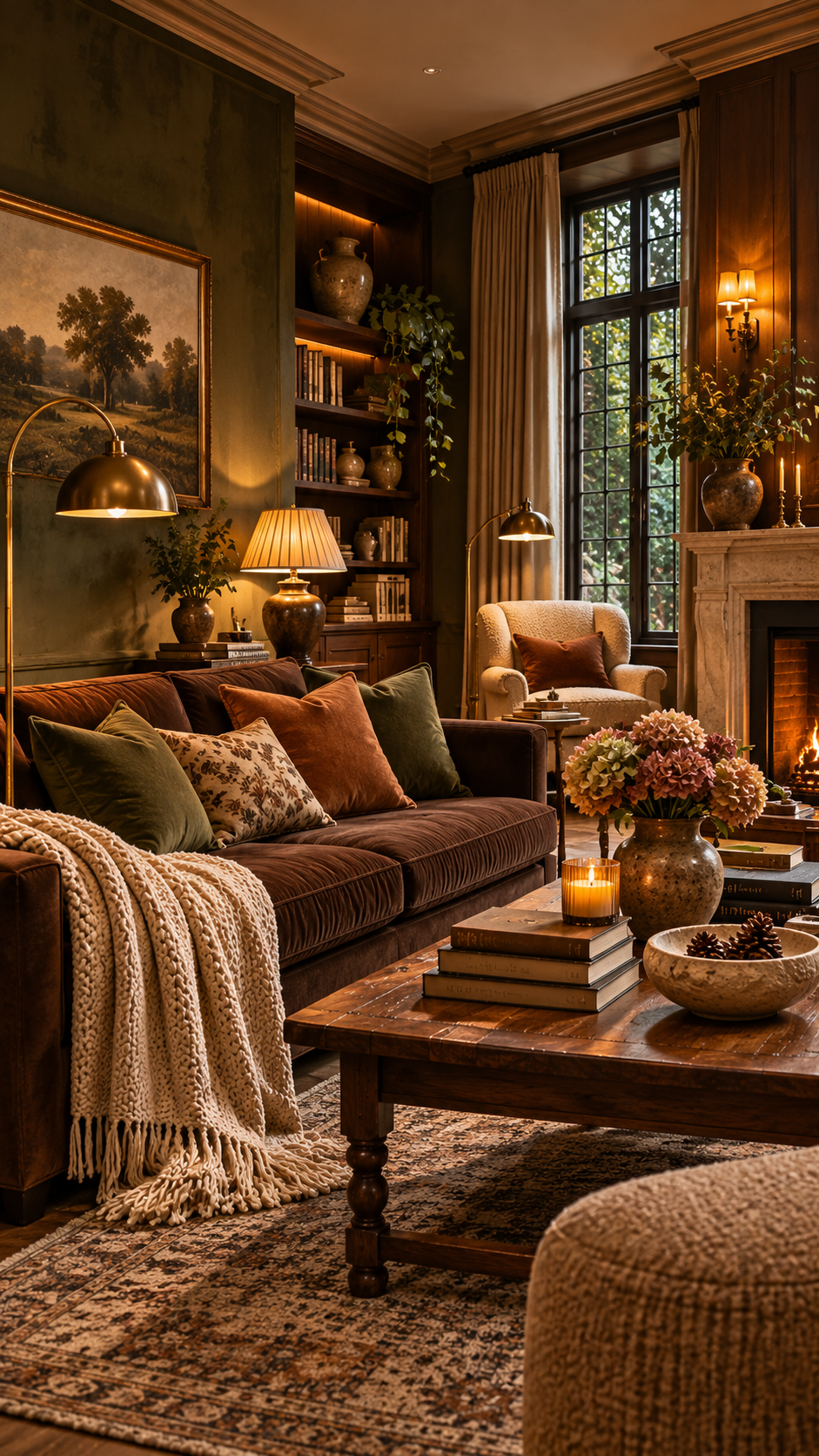
Build a Rich Color Palette Inspired by Nature
Earth-inspired colors provide the foundation of this aesthetic.
Instead of relying exclusively on beige and white, explore deeper shades that create a sense of visual intimacy.
Some particularly effective combinations include:
| Main color | Complementary accent | Atmosphere |
|---|---|---|
| Chocolate brown | Antique brass | Rich and sophisticated |
| Olive green | Warm walnut | Natural and calming |
| Terracotta | Creamy beige | Warm and welcoming |
| Deep burgundy | Muted rose | Romantic and dramatic |
| Charcoal brown | Soft caramel | Contemporary and intimate |
The most important principle is balance.
If the walls are painted in a deep earthy shade, introduce lighter upholstery, reflective accessories, or pale textiles to prevent the room from feeling visually heavy.
Alternatively, if you prefer neutral walls, use darker furniture and accessories to create depth.
For example, a beige living room can develop a beautifully moody character through a chocolate velvet sofa, walnut coffee table, rust-colored cushions, and dark bronze lighting fixtures.
The effect feels sophisticated without requiring major changes to the architecture.
Master the Art of Layered Lighting
Lighting is arguably the defining feature of a moody cozy house aesthetic.
The objective is to create several gentle layers of illumination instead of flooding every corner with the same brightness.
Begin with practical ambient lighting that allows people to move comfortably throughout the room.
Then introduce task lighting for activities such as reading, preparing food, or working.
Finally, incorporate accent lighting to emphasize decorative objects, architectural details, and interesting textures.
A living room might feature a shaded floor lamp beside the sofa, a small ceramic table lamp on a bookshelf, and discreet lighting near a favorite piece of artwork.
When these sources are combined, the room develops visual depth.
Different areas appear subtly illuminated, creating a sense of warmth and intimacy.
Dimmable lighting can be especially helpful because it allows the atmosphere to change according to the time of day.
Remember that cozy lighting should never compromise safety or functionality. Kitchens, staircases, bathrooms, and work surfaces still require appropriate illumination.
Choose Rich Textures That Add Depth
Moody interiors become more inviting when their surfaces feel varied and tactile.
Combine smooth materials with rougher natural textures to produce a balanced composition.
A velvet sofa might look exceptional beside a solid walnut table.
A matte ceramic vase can complement a polished brass lamp.
A thick wool rug can soften the appearance of contemporary furniture.
Other beautiful materials include brushed linen, woven cotton, dark leather, natural stone, and richly grained wood.
Try not to select every object in the same finish.
Too many glossy surfaces may make the room feel formal, while an excessive amount of heavy fabric can make it feel visually crowded.
The ideal combination includes enough contrast to make each texture interesting.
Create an Intimate Conversation Area
A cozy home should encourage people to spend time together.
Furniture arrangement can play a major role in achieving that goal.
Instead of positioning all seating against the walls, consider arranging chairs and sofas around a central coffee table when the room dimensions permit.
This creates a natural gathering area for conversation, reading, and relaxed evenings.
A spacious living room might benefit from two comfortable armchairs positioned opposite a sofa.
In a smaller space, a single accent chair and a well-proportioned side table may be enough.
Choose a rug large enough to visually connect the main furniture pieces.
Keep walking routes clear and ensure the arrangement remains practical for everyday movement.
A beautiful interior should feel comfortable to use, not merely impressive in photographs.
Introduce Architectural Contrast
A moody aesthetic becomes especially sophisticated when darker elements are balanced with lighter architectural features.
For example, dark walnut furniture can look striking against warm cream walls.
An olive-green accent wall may provide depth behind a pale sofa.
Matte black shelving can be softened with oak accessories, linen storage baskets, and earthy ceramics.
If you are decorating an older home, consider preserving original wooden doors, textured plaster, or exposed architectural details whenever practical.
In a newer property, simple additions such as substantial curtains, carefully selected wall colors, or refined lighting can create a similar sense of character.
Avoid adding decorative architectural features solely because they are fashionable.
The strongest designs highlight the existing proportions and personality of the home.
Bring the Moody Aesthetic Into Dining and Transitional Spaces
A cohesive moody house should include more than one dramatic living room.
Extend the atmosphere through carefully chosen details in neighboring spaces.
In the dining room, a dark wooden table paired with textured upholstered chairs creates a sophisticated yet inviting gathering place.
A warm pendant light above the table can establish a comfortable focal point.
In a hallway, an antique bronze mirror, narrow walnut console, and soft wall lighting can introduce the aesthetic without making the entrance feel crowded.
In the kitchen, small accents such as dark wooden cutting boards, earthy ceramics, or muted green textiles may connect the space with the rest of the home.
This repetition creates a consistent atmosphere while allowing each room to maintain its own practical identity.
Why this idea works: Moody earthy interiors offer a more dramatic interpretation of comfort. Deep colors, natural textures, and layered lighting produce a sophisticated atmosphere that feels especially inviting during evenings and cooler seasons.
🥉 Best 3 Cozy House Aesthetic With Sunlit Natural Textures and Peaceful Everyday Living
For homeowners who love brightness, simplicity, and a strong connection with nature, a sunlit organic aesthetic offers a beautiful alternative to darker or more decorative interiors.
This approach celebrates soft natural light, breathable textiles, warm wooden furniture, and peaceful arrangements that make everyday activities feel restorative.
Imagine a home where morning sunlight moves gently across pale oak floors, linen curtains soften the windows, and a comfortable reading chair sits beside a small wooden bookshelf.
The atmosphere feels open and refreshing without becoming cold or impersonal.
Unlike strict minimalism, this cozy house aesthetic allows for comfortable layers, meaningful objects, and natural imperfections.
The goal is to create a home that feels visually peaceful while remaining warm and enjoyable to live in.
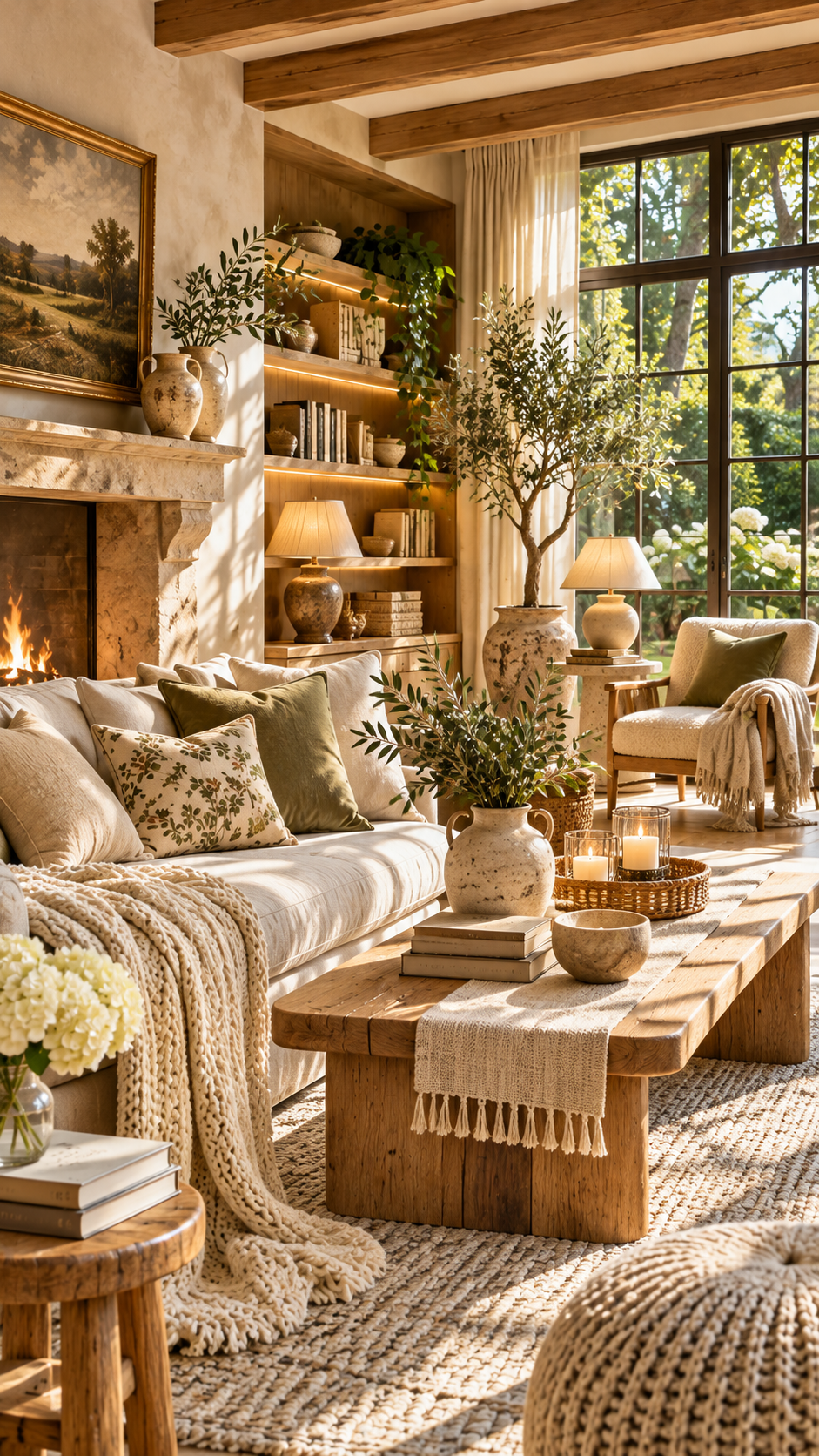
Start With a Soft Organic Color Palette
Sunlit interiors benefit from colors that reflect light naturally.
Beautiful foundational shades include warm white, ivory, sand, pale oatmeal, mushroom beige, and soft greige.
Introduce gentle accents through sage green, muted clay, honey-colored wood, and naturally woven fibers.
These combinations produce a calming appearance without feeling completely monochromatic.
For example, a living room with warm-white walls, a linen sofa, oak furniture, and sage cushions can feel both contemporary and welcoming.
Avoid relying entirely on cool white surfaces.
A small amount of warmth in the flooring, furniture, and fabrics helps the room maintain its cozy personality.
Make Natural Light an Essential Design Element
Natural light is one of the most valuable features in this aesthetic.
Start by observing how sunlight enters different parts of your home throughout the day.
A room with strong morning light may be perfect for a breakfast nook or reading chair.
An area receiving softer afternoon illumination might become a comfortable place for quiet conversation.
Choose window treatments that offer privacy while maintaining a gentle connection with daylight.
Lightweight linen or linen-look curtains are particularly attractive because they diffuse sunlight without creating an overly formal appearance.
If privacy or heat control is important, combine sheer curtains with suitable blinds or additional window coverings.
Avoid blocking windows unnecessarily with oversized furniture.
Keeping the window area visually open can make the entire room feel more spacious and peaceful.
Use Natural Materials to Create Warmth
An organic home aesthetic relies heavily on the character of its materials.
Wood is particularly effective because its grain and color provide natural visual warmth.
Light oak, ash, beech, and other pale wood finishes can create an airy appearance.
Combine these surfaces with linen, cotton, wool, rattan, jute, and understated ceramics.
For example, a pale wooden coffee table becomes more interesting when placed on a woven rug beside a comfortable linen sofa.
A handcrafted ceramic bowl or wooden tray can provide a decorative accent without dominating the composition.
Choose durable materials that suit your household and maintenance preferences.
Natural materials can be beautiful, but comfort and practicality should guide the final decisions.
Design a Peaceful Reading Corner
A reading corner can become one of the most memorable features of a cozy house.
It does not require an entire library or a dedicated room.
A comfortable chair, compact side table, suitable reading lamp, and a few favorite books may be enough.
If possible, position the chair near a window with pleasant natural light.
Add a small cushion and a soft throw for extra comfort.
A compact bookshelf or woven basket can keep books and reading accessories organized.
For a particularly beautiful arrangement, introduce a healthy indoor plant that suits the available light.
The goal is to create a space that encourages relaxation rather than an elaborate decorative display.
An inviting reading corner should remain easy to use every day.
Incorporate Greenery Without Overcrowding the Rooms
Indoor plants can strengthen the natural atmosphere of a home.
However, a few healthy plants positioned thoughtfully often look more elegant than numerous crowded containers.
Choose plants according to the room’s light conditions, available space, and your ability to care for them.
A larger plant can provide a beautiful focal point near a bright window.
Smaller plants may work well on shelves, sideboards, or spacious tables.
Select planters in warm ceramic, natural stone, or other finishes that complement the surrounding interior.
If you share your home with pets or young children, check plant toxicity and placement before introducing new varieties.
Plants should support the comfort of the household rather than create additional hazards or maintenance problems.
Make Everyday Spaces Feel Beautiful and Practical
A peaceful house aesthetic should extend into daily routines.
In the kitchen, natural wood utensils, uncluttered countertops, and thoughtful storage can create a warm atmosphere without reducing functionality.
In the dining area, a simple wooden table, comfortable chairs, and a small ceramic centerpiece may be all that is needed.
In the hallway, a practical bench, woven storage basket, and softly colored artwork can establish a welcoming first impression.
Even a laundry area or home office can benefit from warm lighting, organized storage, and a consistent material palette.
Instead of buying decorations for every available surface, focus on the objects you use frequently.
A beautiful basket that stores everyday essentials or an attractive lamp that improves reading comfort provides both aesthetic and practical value.
This approach makes the home easier to maintain while preserving its visual appeal.
Embrace Simplicity Without Making the Home Feel Empty
One common mistake in organic interiors is removing so many decorative elements that the home begins to feel impersonal.
Cozy simplicity does not require empty shelves, completely bare walls, or perfectly concealed possessions.
The most welcoming spaces often include subtle signs of everyday life.
A favorite book resting on a side table, a handmade vase containing fresh greenery, or a soft blanket draped across a chair can make the room feel lived in.
Choose meaningful objects and give them enough space to be appreciated.
The result should feel naturally comfortable rather than excessively staged.
Why this idea works: Sunlit organic interiors create comfort through daylight, natural materials, gentle colors, and practical simplicity. They are particularly well suited to homeowners who want a peaceful atmosphere that remains fresh and welcoming throughout the year.
How to Choose the Right Cozy House Aesthetic for Your Home
Although all three styles create inviting interiors, they achieve comfort through different visual elements.
The best choice depends on your architectural surroundings, personal preferences, existing furniture, and everyday lifestyle.
| Design feature | Romantic vintage | Moody earthy | Sunlit organic |
|---|---|---|---|
| Main atmosphere | Nostalgic and charming | Intimate and sophisticated | Airy and peaceful |
| Dominant colors | Ivory, dusty rose, sage | Brown, olive, terracotta | Cream, sand, oatmeal |
| Furniture style | Antique and cottage-inspired | Contemporary and substantial | Simple and natural |
| Main textures | Floral cotton, wool, wood | Velvet, leather, walnut | Linen, oak, woven fibers |
| Lighting approach | Vintage shaded lamps | Multiple dimmable light layers | Daylight with warm lamps |
| Decorative character | Collected and personal | Dramatic and refined | Understated and organic |
| Particularly suitable for | Character-filled traditional homes | Modern interiors seeking depth | Light-filled and relaxed homes |
You do not need to follow one category perfectly.
A modern home might combine the natural materials of organic design with the warm lighting of a moody interior.
A traditional house could incorporate vintage furniture while maintaining an uncluttered contemporary layout.
What matters most is creating visual consistency.
Choose one dominant aesthetic, then introduce complementary elements selectively.
The Essential Principles That Make Any House Feel Cozy
Regardless of your preferred decorating style, several foundational principles can make almost any home feel more comfortable.
Prioritize Comfort Before Decoration
Beautiful furniture should also be pleasant to use.
Choose seating that provides suitable support, rugs that feel comfortable underfoot, and fabrics appropriate for your household.
A visually impressive room can quickly lose its appeal if the furniture is uncomfortable or difficult to maintain.
Comfort is not an accessory. It is the foundation of a welcoming home.
Repeat Materials and Colors Throughout the House
Using recurring colors and materials helps individual rooms feel connected.
For example, a warm wooden finish might appear in the living room, kitchen, and hallway.
A muted green accent could reappear through cushions, artwork, and ceramics.
These subtle repetitions establish harmony without requiring identical furniture.
Create Several Comfortable Places to Relax
A cozy home should offer different experiences.
The living room may provide a gathering area for family and friends.
A quiet corner could support reading or reflection.
A comfortable dining space can encourage longer conversations.
These areas do not need to be large or elaborate.
They simply need to support the activities that make the house feel like home.
Maintain an Inviting Balance Between Decoration and Open Space
Overdecorating is one of the easiest ways to weaken a carefully planned aesthetic.
Too many objects can make surfaces difficult to use and visually overwhelming.
On the other hand, removing every personal detail can make a home feel sterile.
Aim for a comfortable middle ground.
Display objects that contribute beauty, usefulness, or emotional significance, while maintaining enough open space for daily activities.
Adapt Your Home to the Seasons
A successful cozy house aesthetic should feel inviting throughout the year.
During warmer months, lightweight linen, fresh greenery, and breathable fabrics can create a relaxed atmosphere.
As temperatures become cooler, thicker throws, textured cushions, and additional soft lighting can introduce seasonal comfort.
You do not need to replace the entire color scheme or furniture collection.
Small seasonal changes can refresh a space while preserving its original character.
Important Note: The most convincing cozy house aesthetic is not created by filling every corner with decorative objects. It comes from balancing comfort, lighting, natural textures, personal meaning, and practical everyday living. A home should feel beautiful to the people who live in it, not just in photographs.
Common Decorating Mistakes That Can Make a Cozy Home Feel Less Inviting
Creating an inviting interior requires more than adding blankets and warm colors.
Some popular decorating choices can unintentionally make a house feel uncomfortable or visually unbalanced.
One frequent mistake is relying on a single overhead light for every activity.
Even a beautiful room can appear flat when all surfaces receive the same harsh illumination.
Introducing appropriately positioned table lamps, floor lamps, and task lighting often creates a more welcoming result.
Another common problem is using too many competing colors.
Although cozy interiors can embrace rich palettes, introducing numerous unrelated shades may make the design feel chaotic.
Choose a consistent foundation and limit stronger accent colors to a manageable selection.
Furniture scale is equally important.
An oversized sofa may look luxurious in a photograph but overwhelm a modest living room.
Similarly, a tiny rug underneath substantial furniture can make a seating arrangement feel disconnected.
Measure the available space and consider how people will move between different areas before purchasing large items.
Excessive decorative layering can also reduce comfort.
A sofa covered with numerous cushions may look attractive but leave little room for sitting.
A coffee table filled with ornaments can become inconvenient for everyday use.
The most successful cozy spaces make comfort effortless.
Finally, avoid copying an entire inspiration photograph without considering your home’s architecture, lighting conditions, and lifestyle.
A dark moody interior may be stunning in a large room with generous windows, but the same design might require adjustments in a smaller or naturally darker space.
Treat inspiration as a starting point rather than a rigid decorating formula.
How to Create a Cozy House Aesthetic Without Spending a Fortune
A beautiful home atmosphere is often achievable through thoughtful changes rather than major purchases.
Begin by evaluating what you already own.
A comfortable armchair might simply need a different position, a small side table, or improved lighting to become an attractive reading corner.
Existing wooden furniture can sometimes be refreshed through careful cleaning, appropriate maintenance, or a suitable refinishing project.
Textiles provide another accessible opportunity.
Changing a few cushion covers, adding a soft throw, or introducing a well-chosen rug can dramatically affect the atmosphere of a room.
Secondhand shops and vintage markets can also provide distinctive furniture and decorative pieces.
Look for sturdy construction, practical dimensions, and materials that complement your preferred aesthetic.
A single charming wooden table may contribute more visual character than several inexpensive decorations purchased together.
Lighting upgrades can be particularly effective.
Replacing an overly bright, cool-toned bulb with a suitable warm-white option or repositioning an existing lamp can transform the appearance of an evening interior.
Keep electrical safety, fixture compatibility, and proper illumination in mind.
Finally, focus on arranging the home with intention.
Removing unnecessary clutter, creating comfortable seating arrangements, and displaying meaningful objects are improvements that may require little or no additional spending.
The objective is not to make the home look more expensive.
It is to make the spaces you already have feel more welcoming, harmonious, and enjoyable.
Final Thoughts on Creating a Dreamy Cozy House Aesthetic
The beauty of a cozy house aesthetic lies in its ability to transform ordinary living spaces into comforting environments that reflect personal taste.
Romantic vintage interiors celebrate nostalgia, delicate textures, and charming furniture with a sense of history.
Moody earthy spaces create sophisticated warmth through rich colors, layered lighting, and tactile materials.
Sunlit organic homes embrace natural beauty, gentle simplicity, and practical everyday comfort.
Each approach offers a different expression of the same essential idea: a home should make people feel relaxed, welcomed, and connected to their surroundings.
The most memorable interiors rarely depend on perfect symmetry or expensive designer collections. Instead, they develop character through thoughtful combinations of lighting, texture, furniture, and meaningful details.
Start with one room, one comfortable corner, or one small improvement that makes your everyday life more enjoyable.
As these details gradually connect, the entire house can begin to feel like a beautifully personal sanctuary.
Ultimately, the best cozy house aesthetic is not simply something you admire on Pinterest. It is an atmosphere you genuinely love coming home to.
Related posts:

Best 3 Minimalist Home Decor on a Budget Ideas That Make Your Home Look Surprisingly Expensive
Best 3 Minimalist Home Decor With Plants Ideas That Make Any Room Look Stunningly Expensive
Best 3 Minimalist Wall Decor Ideas That Make Empty Walls Look Surprisingly Expensive
Best 3 Indoor Olive Tree Decor Ideas That Make Any Home Look Like a Luxury Mediterranean Villa
Best 3 Minimalist Console Table Decor Ideas That Make Any Space Look Effortlessly Expensive
Best 3 Minimalist Entryway Decor Ideas That Make Your Home Look Instantly Expensive