
Modern Organic Living Room Ideas are transforming ordinary living spaces into breathtaking retreats filled with natural beauty, sophisticated textures, and timeless elegance. Combining the clean lines of contemporary interior design with the warmth of organic materials, this decorating style creates living rooms that feel luxurious without becoming cold, overly formal, or uncomfortable. 🌿
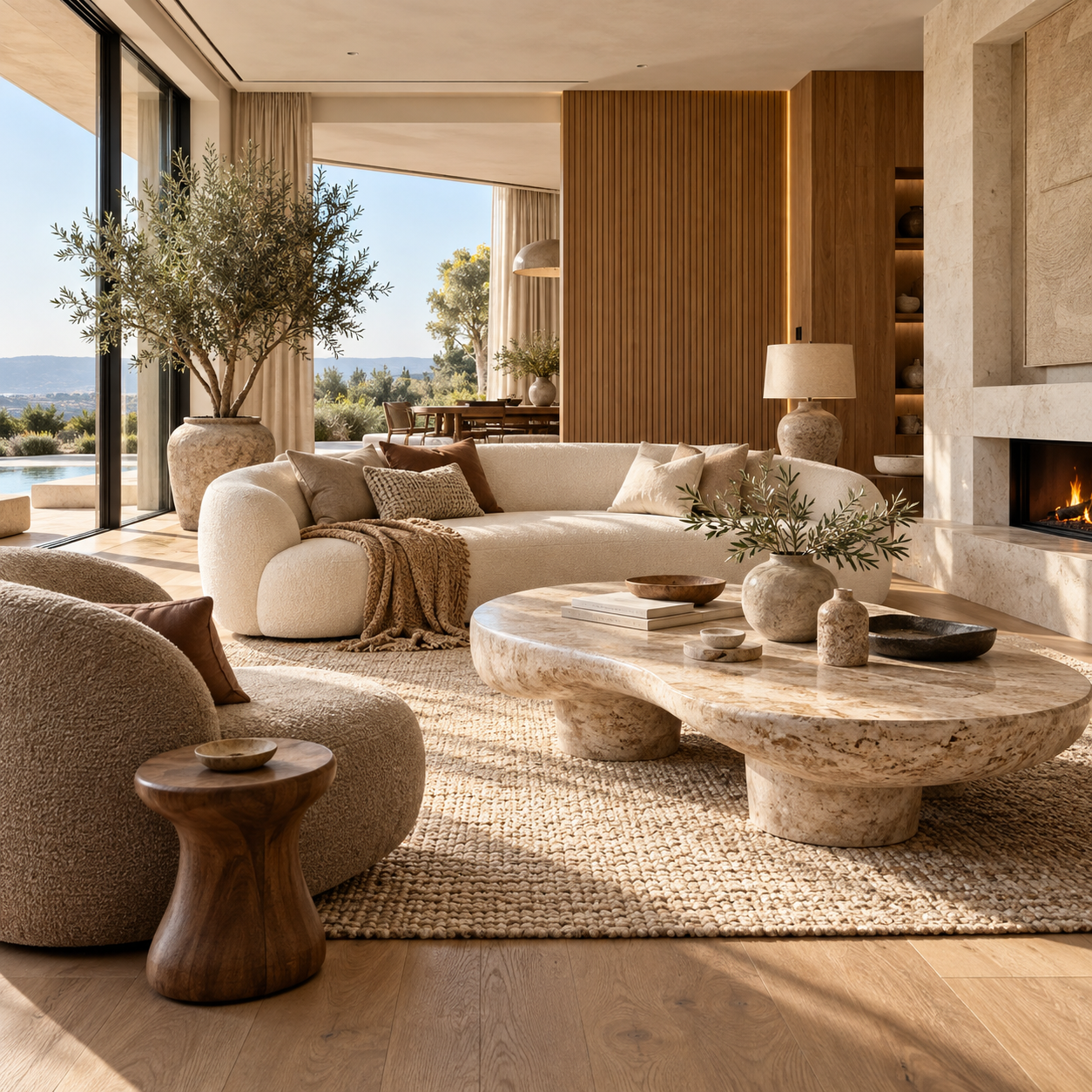
The beauty of modern organic interiors lies in their ability to make simplicity feel extraordinary. Instead of relying on dramatic colors, excessive decorations, or complicated furniture arrangements, this design philosophy celebrates natural wood, sculptural furniture, soft linen, textured stone, earthy color palettes, and abundant natural light.
Whether decorating a spacious open-concept home or refreshing a smaller living room, the right combination of materials and furnishings can create a peaceful environment that feels both sophisticated and welcoming.
Some modern organic living rooms lean toward refined minimalism, while others embrace warm architectural elements or cozy layers inspired by nature. Each interpretation offers a distinct atmosphere, making this style incredibly versatile for different homes and personal preferences.
✨ The following Best 3 Modern Organic Living Room Ideas explore three remarkable approaches to achieving this highly desirable aesthetic, along with practical decorating strategies, furniture recommendations, color combinations, and styling details that bring each space to life.
🌿 Why Modern Organic Living Room Ideas Are Perfect for Timeless Interiors
Modern organic interior design celebrates the connection between contemporary living and the natural world. Unlike traditional rustic decorating, which often emphasizes distressed finishes and heavily textured furniture, modern organic spaces introduce natural elements through cleaner silhouettes and carefully balanced compositions.
The result is an interior that feels fresh, sophisticated, and deeply relaxing. Every object has a purpose, while each natural texture contributes warmth and personality to the overall design.
A modern organic living room might feature a softly curved cream sofa, a substantial oak coffee table, a woven wool rug, sculptural ceramic accessories, and a beautiful indoor tree. These elements work together to create visual interest without overwhelming the room.
One of the greatest advantages of this decorating approach is its longevity. Neutral colors, quality wood furnishings, authentic stone, and timeless furniture shapes generally remain attractive long after seasonal decorating trends have changed.
🍃 The Essential Characteristics of Modern Organic Living Room Design
The defining feature of modern organic decorating is the relationship between simplicity and natural character. Furniture should feel comfortable and inviting, but its overall appearance remains refined and uncluttered.
Natural materials form the foundation of the style. Oak, walnut, travertine, limestone, linen, cotton, wool, rattan, and handmade ceramics provide depth through their individual textures rather than elaborate decorative patterns.
Organic shapes also play an important role. Rounded sofas, oval coffee tables, irregular pottery, curved accent chairs, and softly contoured lighting fixtures introduce gentle movement into otherwise clean architectural spaces.
The color palette usually draws inspiration from nature. Warm white, ivory, oatmeal, greige, taupe, sand, caramel, clay, mushroom brown, and muted olive create an atmosphere that feels grounded and harmonious.
Perhaps most importantly, modern organic decorating prioritizes visual breathing room. Thoughtfully chosen furniture, spacious arrangements, and carefully edited accessories allow the natural beauty of each material to remain visible.
🥇 1 Modern Organic Living Room Ideas With Sculptural Minimalist Elegance
The first approach embraces the sophisticated beauty of sculptural minimalism. This style combines spacious layouts, rounded furniture silhouettes, luxurious natural finishes, and a restrained neutral palette to create an exceptionally elegant living environment.
Imagine entering a sunlit living room where a beautiful curved ivory sofa becomes the central feature. An oval travertine coffee table rests on a generous textured wool rug, while a pair of sculptural lounge chairs creates a welcoming conversation area.
Behind the seating arrangement, softly textured plaster walls reflect natural daylight. A large indoor olive tree introduces gentle greenery, while a distinctive ceramic vase provides an understated artistic accent.
The overall composition feels calm, intentional, and quietly luxurious. Nothing appears excessive, yet every carefully chosen material contributes to the sophistication of the room.
This is one of the most attractive Modern Organic Living Room Ideas for homeowners who appreciate minimalist architecture but want their spaces to feel softer, warmer, and more comfortable.


🛋️ Choose a Curved Sofa as the Main Statement Piece
A curved sofa is an excellent foundation for a sculptural modern organic living room. Its soft silhouette instantly reduces the rigid appearance often associated with contemporary furniture.
Cream boucle, textured ivory linen, and warm oatmeal upholstery are particularly suitable choices. These fabrics provide visual softness while blending naturally with stone, wood, and neutral architectural finishes.
Rather than positioning every piece of furniture directly against the walls, consider allowing the sofa to float within the living room. A gently curved seating arrangement creates a more intimate atmosphere and encourages conversation.
For a generously sized room, an oversized curved sectional can serve as the main seating feature. In smaller spaces, a compact rounded sofa paired with one sculptural armchair can achieve a similar effect without compromising circulation.
The key is choosing furniture that feels substantial but not visually heavy. Low-profile designs, gentle curves, and comfortable proportions help maintain the effortless elegance associated with modern organic interiors.
🪨 Incorporate Travertine and Natural Stone Accents
Natural stone introduces timeless architectural character into minimalist living rooms. Travertine is especially beautiful because its subtle variations, warm undertones, and naturally occurring textures complement neutral interiors.
A substantial travertine coffee table can become the visual anchor of the seating area. Oval, pebble-shaped, or softly rectangular designs work particularly well because they reinforce the organic character of the space.
Limestone side tables, stone decorative bowls, and handcrafted ceramic accessories can extend this material palette throughout the room.
However, natural stone should be introduced thoughtfully. Too many stone surfaces may make the environment appear overly formal or visually cold.
Balancing the coffee table with a soft wool rug, upholstered seating, and a few warm wooden elements creates a more comfortable composition.
Homeowners who prefer easier maintenance can explore quality stone-look furniture, although authentic natural materials offer distinctive variations that contribute to their appeal.
☀️ Use Soft Daylight to Highlight Natural Textures
Lighting plays an essential role in sculptural modern organic design. Soft natural daylight reveals subtle differences between woven fabrics, textured plaster, ceramic finishes, and natural stone.
Large windows are particularly effective when paired with lightweight linen curtains. Sheer fabrics gently diffuse strong sunlight while maintaining an airy and peaceful atmosphere.
Avoid covering beautiful architectural windows with unnecessarily heavy treatments. Simple ceiling-mounted curtain tracks can create a clean, contemporary finish while allowing fabric panels to fall gracefully toward the floor.
For evening illumination, incorporate warm ambient lighting through ceramic table lamps, sculptural floor lamps, and discreet architectural fixtures.
A lighting scheme with several softly glowing sources usually creates a more inviting environment than relying exclusively on bright overhead lights.
🌱 Complete the Room With Minimal Botanical Styling
Plants introduce life, movement, and natural color into a restrained living room. However, sculptural minimalist interiors benefit from selective greenery rather than an excessive collection of small plants.
A single well-positioned indoor tree can create a striking focal point. An olive tree may suit a very bright room, while a ficus or another species appropriate to the available light can provide a similarly elegant effect.
Place the tree inside a large neutral planter made from ceramic, stone, or another natural-looking material.
Decorative accessories should remain equally intentional. Consider an oversized handmade vase, a shallow stone bowl, a few art books, or a piece of abstract artwork inspired by natural forms.
These objects add personality while preserving the clean, gallery-like beauty of the space.
✨ Best for: Contemporary homes, open-plan interiors, spacious apartments, and homeowners seeking sophisticated minimalist luxury.
🥈 2 Modern Organic Living Room Ideas With Warm Wood and Natural Architectural Beauty
The second design approach emphasizes the richness of natural wood and the comfort of warm architectural materials. Compared with sculptural minimalism, this style introduces stronger visual texture, greater warmth, and a slightly more grounded atmosphere.
Imagine a stunning living room with light oak flooring, a dramatic wooden feature wall, and a beautifully proportioned cream sofa. A substantial natural wood coffee table occupies the center of the room, surrounded by soft neutral upholstery and an oversized woven rug.
A pair of walnut accent chairs introduces subtle contrast, while ceramic accessories, sculptural lighting, and lush greenery complete the arrangement.
Sunlight moves across the wood grain, highlighting the natural imperfections and variations that make authentic materials so appealing.
The room feels contemporary yet welcoming, sophisticated yet comfortable. It combines the architectural character of luxury modern interiors with the emotional warmth of a nature-inspired home.
Among the Best 3 Modern Organic Living Room Ideas, this option is particularly suitable for anyone who wants a strong connection to natural materials without abandoning modern sophistication.

🪵 Create a Beautiful Natural Wood Feature Wall
A wooden feature wall can dramatically transform a living room by introducing warmth, rhythm, and architectural interest.
Vertical oak panels are a popular choice for contemporary spaces because their linear pattern visually emphasizes height while maintaining a clean appearance.
For a softer interpretation, consider wide natural wood panels with visible grain rather than densely spaced decorative slats. This produces a calmer surface and allows the natural beauty of the timber to become the main attraction.
Wood paneling works especially well behind a television, fireplace, or main seating arrangement.
However, the feature wall should not dominate every other design element. A balanced modern organic room allows wood, upholstery, stone, and lighting to complement one another.
If a full wooden wall feels too expensive or visually overwhelming, a large oak console, floating shelves, or a partial paneled section can introduce the same warmth on a smaller scale.
🛋️ Combine Warm Wood Furniture With Soft Neutral Upholstery
The relationship between wood furniture and upholstered seating is essential to this design style.
A cream linen sectional creates a beautiful contrast against a walnut coffee table, while a light oak sideboard looks especially elegant beside an oatmeal or warm taupe sofa.
Choose furniture with clean silhouettes and visible craftsmanship. Solid wooden coffee tables, sculptural wooden stools, and softly curved accent chairs introduce character without excessive ornamentation.
Mixing wood tones can also create depth when handled carefully.
For example, light oak flooring can complement a medium walnut table if the remaining furniture and accessories establish a cohesive warm-neutral palette.
The goal is not to match every wooden surface perfectly. Instead, select finishes that share compatible undertones and repeat them naturally throughout the room.
This approach creates an interior that feels thoughtfully collected rather than purchased as a rigid matching furniture set.
🎨 Introduce Earthy Colors for a Grounded Atmosphere
Warm organic interiors benefit from colors inspired by natural landscapes.
Cream and oatmeal provide a soft background, while mushroom taupe, caramel, muted olive, clay, and warm brown introduce depth.
These shades can appear in cushions, artwork, pottery, upholstery, and decorative textiles.
For example, a cream sofa might feature a combination of oatmeal linen pillows, caramel woven cushions, and one muted olive accent. A walnut coffee table and warm beige rug can complete the arrangement.
The color palette remains subtle, but the differences between materials create a rich visual experience.
Avoid introducing too many competing accent colors. A focused combination of three or four closely related tones usually feels more sophisticated than an assortment of unrelated shades.
🏡 Add Architectural Depth With Plaster and Stone Finishes
Wood becomes even more beautiful when paired with complementary mineral surfaces.
A softly textured plaster wall can balance the regular grain of vertical wood panels, while a limestone fireplace adds substance and architectural elegance.
For a contemporary aesthetic, consider a simple fireplace surround with clean proportions and a warm, matte finish.
A stone hearth, handcrafted ceramic table lamps, and plaster-inspired decorative accessories can reinforce the connection between the interior and natural materials.
These finishes also create an appealing contrast between smooth and textured surfaces.
Rather than relying on decorative objects alone, architectural finishes provide visual interest directly through the structure of the room.
This allows the final design to feel refined even when only a small number of accessories are present.
💡 Layer Lighting to Enhance Wood Grain and Warmth
Wood-rich living rooms look particularly beautiful under gentle, warm lighting.
During the day, natural daylight reveals the grain and character of wooden furniture. In the evening, thoughtfully positioned lamps create a more intimate atmosphere.
A fabric-shaded floor lamp beside the sofa can provide comfortable reading light. A ceramic table lamp on a wooden console adds warmth to another corner of the room.
Indirect lighting may also highlight a textured wall or architectural feature without creating harsh contrasts.
Choose lighting finishes that complement the natural material palette, such as aged brass, matte bronze, warm ceramic, or subtle black accents.
The resulting atmosphere feels inviting, elegant, and suitable for everyday relaxation.
✨ Best for: Family living rooms, contemporary houses, homes with wood flooring, and interiors that need additional warmth and architectural character.
🥉 3 Modern Organic Living Room Ideas With Cozy Layered Natural Textures
The third approach introduces a softer and more intimate interpretation of modern organic decorating. Instead of emphasizing dramatic architectural features or gallery-like simplicity, this design celebrates tactile comfort, layered fabrics, handmade details, and relaxed natural elegance.
Imagine a beautiful living room with a generous oatmeal sectional sofa, a deeply textured wool rug, and an organic-shaped oak coffee table.
Soft linen cushions, a loosely draped cotton throw, and an oversized woven basket add comfort without creating unnecessary visual clutter.
A warm ivory wall provides a quiet backdrop for understated botanical artwork, while an elegantly shaped floor lamp and a large leafy plant complete the composition.
Everything feels comfortable, personal, and carefully balanced.
This interpretation is especially appealing for homeowners who love minimalist interiors but do not want their living rooms to feel empty or overly polished.
Among these Modern Organic Living Room Ideas, the cozy layered approach offers one of the most welcoming solutions for everyday family life.

🧺 Layer Linen Cotton and Wool for Comfortable Elegance
Textiles are the defining feature of a cozy modern organic living room.
Linen, cotton, wool, and other tactile fabrics create depth through their natural textures while maintaining the restrained appearance associated with contemporary decorating.
Start with a comfortable neutral sofa upholstered in a durable, pleasantly textured fabric. Oatmeal, warm ivory, and soft mushroom taupe are excellent choices.
Add cushions in slightly different shades and weaves. For instance, smooth linen pillows can sit beside chunky woven cushions and a softly textured wool throw.
The variation between materials makes the seating arrangement visually interesting without requiring dramatic colors or patterns.
An oversized wool or wool-blend rug can further soften the room, particularly when paired with stone or wood furniture.
Choose a rug large enough to visually connect the main seating pieces. A rug that is too small may make the arrangement appear fragmented, while an appropriately sized one helps establish a cohesive and comfortable conversation area.
🤎 Design a Relaxing Warm Neutral Color Palette
A cozy organic interior requires careful attention to color temperature.
Pure white walls and cool gray furniture can sometimes make a living room feel stark. Warmer alternatives such as ivory, almond, cream, sand, and mushroom taupe generally create a more welcoming atmosphere.
Layering several related neutrals is more interesting than decorating the entire room in one identical shade.
For example, warm ivory walls can provide the foundation for an oatmeal sofa, a sandy beige rug, caramel-colored cushions, and natural oak furniture.
A few darker details, such as walnut wood, deep olive pottery, or muted bronze lighting, add contrast without disturbing the peaceful atmosphere.
The beauty of this approach comes from its subtle transitions.
Each surface contributes a slightly different shade, texture, or finish, creating a sophisticated interior that feels harmonious rather than monotonous.
🌾 Introduce Handmade Ceramics and Natural Decorative Objects
Handmade accessories provide personality to a layered modern organic living room.
Ceramic vases with irregular surfaces, shallow stone bowls, wooden trays, and woven baskets introduce character through their shapes and textures.
These pieces are particularly effective because they complement natural furnishings without competing for attention.
A large matte ceramic vase can become a focal point on the coffee table. A wooden bowl may provide a useful place for small everyday objects, while a woven basket beside the sofa can hold spare throws.
Decorative branches, dried botanicals, or fresh greenery can add height and movement.
However, accessories should be arranged with restraint.
Rather than filling every shelf and surface, allow a few meaningful pieces to stand alone. Negative space helps each object feel intentional and contributes to the relaxed sophistication of the overall composition.
🛋️ Choose Furniture That Encourages Everyday Relaxation
Comfort should be a central consideration when designing a cozy organic living room.
Deep-seated sofas, upholstered lounge chairs, rounded ottomans, and softly proportioned coffee tables create an environment suited to everyday living.
A generous sectional can provide comfortable seating for family gatherings, while a single oversized lounge chair creates an inviting reading corner.
Choose furniture that balances relaxed shapes with contemporary simplicity.
Excessively ornate furniture can distract from the organic character of the room, while extremely rigid minimalist pieces may reduce the sense of comfort.
An ideal arrangement combines soft seating, natural furniture materials, and sufficient open floor space for easy movement.
Practicality is equally important. Washable or durable upholstery, stable coffee tables, accessible storage, and easy-care textiles help make the design suitable for real homes rather than purely decorative photographs.
🌿 Bring the Outdoors Inside With Natural Greenery
Plants and botanical elements can complete the cozy modern organic aesthetic.
A leafy indoor plant adds freshness and complements the earthy color palette. Depending on available space and lighting conditions, a rubber plant, suitable ficus, or other indoor greenery can provide a beautiful natural accent.
Smaller plants may be arranged on side tables or shelves, but the room should not become visually overcrowded.
The goal is to integrate greenery naturally into the overall composition.
A large plant beside a window, a simple arrangement of branches in a ceramic vase, or a carefully chosen botanical artwork can be enough.
Natural greenery creates an appealing contrast with warm neutrals and reinforces the calming character of the room.
✨ Best for: Cozy family spaces, smaller homes, relaxed contemporary interiors, and homeowners who prioritize softness, warmth, and everyday comfort.
📊 Best 3 Modern Organic Living Room Ideas Compared
Although all three design approaches share a love of natural materials, warm neutrals, and contemporary simplicity, each creates a different atmosphere.
The following comparison highlights their defining features and helps identify the most suitable direction for a particular living room.
| Design element | 🥇 Sculptural Minimalist Elegance | 🥈 Warm Wood Architectural Beauty | 🥉 Cozy Layered Natural Textures |
|---|---|---|---|
| Main aesthetic | Refined, spacious, artistic | Warm, architectural, grounded | Soft, inviting, comfortable |
| Signature furniture | Curved sofa and sculptural chairs | Wooden statement furniture and neutral sectional | Comfortable sofa and rounded lounge seating |
| Main materials | Travertine, limestone, linen | Oak, walnut, plaster, stone | Wool, cotton, linen, wood |
| Dominant colors | Ivory, cream, greige | Beige, caramel, walnut brown | Oatmeal, taupe, sand |
| Decorative focus | Minimal sculptural accessories | Natural wood grain and architectural detail | Handmade ceramics and layered textiles |
| Lighting style | Soft daylight and sculptural lamps | Warm ambient and accent lighting | Gentle table lamps and layered lighting |
| Overall mood | Quiet luxury | Natural sophistication | Relaxed elegance |
| Ideal room type | Spacious modern living rooms | Contemporary family homes | Comfortable everyday living spaces |
The sculptural minimalist approach is ideal for creating a visually impressive space with very few decorative elements.
Warm wood architecture offers a beautiful middle ground between contemporary luxury and natural comfort, especially when the home already features attractive wooden flooring or architectural details.
The cozy layered approach places the greatest emphasis on softness and livability, making it particularly appealing for households that use the living room throughout the day.
None of these styles requires an unlimited decorating budget. The overall effect depends more on thoughtful material combinations, suitable proportions, and visual consistency than on purchasing the most expensive furnishings.
🎨 How to Choose the Perfect Color Palette for Modern Organic Living Room Ideas
Color is one of the most influential elements in modern organic design. The right palette can make an interior feel larger, brighter, warmer, and more peaceful.
Rather than selecting unrelated neutral colors, begin with a cohesive collection of shades inspired by natural materials.
Warm ivory and cream can provide a versatile background, while beige, greige, taupe, and muted brown add depth through furniture and textiles.
Natural wood tones introduce another layer of color without requiring painted surfaces or bold decorative accents.
🤍 Warm Ivory and Cream for Airy Sophistication
Warm ivory is an excellent alternative to brilliant white because it maintains brightness while creating a softer atmosphere.
Walls finished in warm ivory can beautifully complement cream upholstery, limestone furniture, and light oak flooring.
This palette is especially effective in rooms where daylight is a major design feature.
To prevent an overly pale room from appearing flat, introduce subtle differences in texture. Pair smooth plaster walls with woven cushions, a textured rug, and softly grained wooden furniture.
A small amount of warm brown or muted olive can provide contrast without overpowering the light aesthetic.
The result is a living room that feels open, serene, and timeless.
🤎 Mushroom Taupe and Earthy Brown for Natural Depth
Mushroom taupe creates a beautiful connection between beige, gray, and brown, making it particularly versatile for modern organic interiors.
A mushroom-colored sofa can look elegant against warm cream walls, especially when paired with dark oak furniture and textured ivory cushions.
Caramel and earthy brown accents add richness to the composition.
These shades work especially well in rooms that need a more grounded, intimate atmosphere.
Instead of covering every surface in dark colors, distribute richer tones selectively through furniture, pottery, lighting, and cushions.
This approach preserves visual balance while making the interior feel layered and sophisticated.
🌱 Muted Olive and Sage for a Gentle Natural Accent
Green is a natural companion to warm neutrals because it recalls foliage, gardens, and outdoor landscapes.
Muted olive and soft sage are especially suitable for modern organic living rooms because they offer color without appearing overly vibrant.
A sage accent chair, olive-colored cushion, or understated botanical painting can introduce a subtle refreshing quality.
Indoor plants provide another way to incorporate green naturally.
To maintain visual harmony, repeat the selected accent shade sparingly rather than introducing several unrelated greens throughout the space.
When balanced with oak, linen, and warm stone, muted green can make an interior feel peaceful and deeply connected to nature.
🪵 The Best Natural Materials for a Modern Organic Living Room
Material selection is fundamental to achieving an authentic modern organic interior.
The most successful spaces combine a limited number of complementary materials instead of introducing every natural finish available.
Wood provides warmth, stone adds architectural solidity, and soft textiles create comfort.
Ceramics and woven accessories contribute smaller details that bring the overall composition together.
Natural Wood for Warmth and Timeless Character
Oak and walnut are excellent choices for modern organic furniture because their grain patterns and natural coloration provide lasting visual interest.
Light oak creates a fresh and airy appearance, making it well suited to minimalist interiors and smaller living rooms.
Walnut introduces a deeper, more dramatic quality that works beautifully with cream sofas and textured neutral rugs.
Consider incorporating wood through a substantial coffee table, sideboard, open shelving, or an accent chair.
Whenever possible, allow the natural grain to remain visible rather than covering it with an opaque finish.
A small number of well-crafted wooden pieces can establish the organic character of the entire room.
Travertine and Limestone for Quiet Architectural Luxury
Stone materials contribute natural texture and visual weight.
Travertine, with its recognizable pores and subtle tonal variation, can create a stunning focal point in a coffee table or side table.
Limestone offers an equally elegant appearance, especially in fireplaces, decorative objects, and architectural features.
Because these materials can be porous, they may require appropriate sealing and careful maintenance depending on their finish and use.
For busy households, durable alternatives with a similar visual character may be more practical.
Regardless of the exact material, the goal is to introduce the understated beauty of mineral surfaces without making the room feel cold.
Linen and Wool for Soft Organic Comfort
Linen and wool are particularly effective in modern organic decorating because their textures contrast beautifully with smooth wood and stone.
Linen upholstery and curtains create a relaxed, natural appearance, while wool rugs introduce softness beneath the furniture.
Woven cushions, cotton throws, and subtly textured upholstery add further depth.
Choose fabrics according to both appearance and practical needs.
For example, a household with children or pets may benefit from performance upholstery with a linen-like texture, while a less frequently used sitting room may accommodate more delicate natural fabrics.
The most appealing interior is one that remains comfortable and functional after the initial decorating process is complete.
💡 Important Note: Modern organic interior design is not simply about filling a living room with beige furniture and wooden accessories. The most successful spaces balance natural materials, comfortable proportions, thoughtful lighting, and a restrained color palette. Prioritize a few cohesive, well-chosen elements rather than overcrowding the room with decorations.
🛋️ How to Arrange Furniture for a Beautiful Modern Organic Living Room
Furniture placement can significantly influence the appearance and functionality of a modern organic interior.
Even beautiful individual pieces may feel disconnected when their proportions or positions do not support the overall room layout.
Start by identifying the natural focal point of the space.
This might be a fireplace, large window, architectural wall, or central seating arrangement.
Position the main sofa in relation to this feature, then introduce complementary seating and occasional tables to establish a comfortable conversation area.
Create a Balanced Conversation Area
A thoughtful seating arrangement encourages interaction while maintaining sufficient room for movement.
Positioning a sofa opposite one or two lounge chairs often creates a welcoming and visually balanced layout.
A coffee table helps connect these pieces, while a large rug visually defines the seating zone.
Organic-shaped furniture can soften the arrangement, especially in spaces with rectangular walls and straight architectural lines.
Avoid positioning every furniture piece against the perimeter automatically.
In larger living rooms, floating the seating arrangement can create a more intimate environment and make better use of the available floor space.
Allow Natural Materials to Become Focal Points
Modern organic interiors benefit from carefully chosen statement pieces.
A dramatic live-edge wooden table, a sculptural curved sofa, or a beautiful stone fireplace can establish the entire visual direction of the room.
However, too many statement pieces may compete for attention.
Choose one primary focal point and allow surrounding furnishings to support it.
For example, an oversized travertine table will look more sophisticated when paired with simple upholstery and restrained accessories than when surrounded by numerous elaborate decorative objects.
Visual hierarchy makes the space feel intentional and naturally elegant.
Maintain Comfortable Space Between Furniture
Clear circulation is essential for both appearance and daily practicality.
A beautiful living room should provide enough space to move comfortably around sofas, chairs, and tables.
Furniture should also remain close enough to create a connected seating area rather than appearing scattered across the room.
In smaller spaces, carefully scaled furniture can achieve a better result than oversized pieces that restrict movement.
Rounded coffee tables and compact accent chairs are especially useful when floor space is limited.
The objective is to create a room that feels open without sacrificing comfort or functionality.
✨ Modern Organic Living Room Decor Ideas That Look Expensive Without Excessive Spending
Achieving a sophisticated modern organic interior does not require replacing every furnishing.
A few carefully selected changes can transform the atmosphere of an existing living room.
The most effective improvements usually involve color consistency, better lighting, natural textures, and removing unnecessary visual clutter.
Upgrade the Room With an Oversized Textured Rug
A large neutral rug can dramatically improve the appearance of a seating arrangement.
Choose a rug in ivory, oatmeal, sand, or warm taupe, ideally with subtle woven texture rather than a busy pattern.
The rug should be generously proportioned in relation to the furniture.
When the front legs of the main sofa and accent chairs rest comfortably on the rug, the seating arrangement usually feels more visually connected.
This simple adjustment can create a more polished appearance without requiring new seating furniture.
Replace Small Decorations With a Few Statement Accessories
Numerous tiny decorative objects can make a living room feel visually busy.
Replacing them with a few larger pieces often creates a more refined result.
An oversized handmade ceramic vase, a substantial wooden bowl, or a beautifully proportioned table lamp can become an effective focal point.
Choose accessories that share the room’s existing palette.
Natural materials, matte finishes, and softly irregular shapes are particularly appropriate.
The goal is to create visual interest through quality and proportion rather than quantity.
Introduce Warm Ambient Lighting
Lighting can change the atmosphere of a living room even when the furnishings remain exactly the same.
A beautiful ceramic table lamp adds character during the day and creates a cozy glow after sunset.
Consider positioning lighting at different heights rather than relying entirely on ceiling fixtures.
A floor lamp beside a reading chair, a table lamp on a console, and subtle indirect lighting can create layers of illumination.
Warm, consistent light colors help natural wood and neutral textiles appear harmonious.
Dimmable fixtures are particularly useful because they allow the atmosphere to change according to the time of day and activity.
Style With Natural Branches and Simple Greenery
Natural botanical elements can provide an affordable finishing touch.
A few sculptural branches arranged in a tall ceramic vase can create an elegant organic statement.
Fresh greenery, appropriately selected indoor plants, or simple seasonal foliage can also introduce subtle color and movement.
Avoid overcrowding surfaces with multiple floral arrangements.
One carefully positioned arrangement is often enough to create a beautiful visual focal point.
The most effective botanical styling feels natural, relaxed, and consistent with the proportions of the room.
🏡 Modern Organic Living Room Ideas for Small Spaces
Modern organic decorating is not limited to spacious luxury homes.
Smaller living rooms can benefit enormously from its emphasis on simplicity, natural light, and carefully chosen materials.
The key is adapting the scale of the furniture while maintaining the same balance of textures, colors, and shapes.
A compact living room with warm white walls, a light oak coffee table, and a comfortable neutral sofa can feel remarkably sophisticated.
Choose furniture with streamlined proportions, and avoid filling every available corner.
A single statement plant and a few handmade accessories may provide all the decoration necessary.
Choose Compact Furniture With Organic Shapes
A smaller sofa with gently rounded arms can create a softer appearance without occupying the space required by a large curved sectional.
An oval coffee table is another excellent choice because its rounded edges can improve movement through narrow seating areas.
Instead of introducing several accent chairs, consider one comfortable lounge chair or a compact upholstered ottoman.
Light wooden furniture often works well in small spaces because it provides natural warmth without appearing excessively heavy.
The overall design should feel proportionate, comfortable, and visually connected.
Use Vertical Space Without Creating Clutter
Wall-mounted storage, tall curtains, and appropriately scaled artwork can enhance a small living room without taking up additional floor space.
A floating oak shelf may provide a place for a few decorative ceramics or books.
However, the shelf should not become overcrowded.
A large piece of neutral artwork can create a more sophisticated effect than numerous small pictures arranged without a clear visual structure.
Natural light should remain a priority, and window treatments should be selected to preserve brightness whenever possible.
These decisions help a compact modern organic living room feel airy and intentionally designed.
❌ Common Mistakes to Avoid With Modern Organic Living Room Ideas
Although modern organic decorating appears effortless, achieving the right balance requires thoughtful planning.
One common mistake is using too many shades of beige without introducing sufficient texture or contrast.
A room filled entirely with smooth beige furniture can appear flat rather than sophisticated.
Natural wood, woven textiles, stone, and subtle darker accents help create the necessary visual depth.
Another mistake is mixing too many competing wood finishes or decorative materials.
While material variation is desirable, there should still be a consistent relationship between undertones, shapes, and finishes.
Excessive decoration can also undermine the peaceful atmosphere.
Modern organic design celebrates natural character, but it does not require every surface to contain plants, baskets, ceramics, or wooden objects.
Finally, appearance should never come at the expense of comfort.
A beautiful coffee table may not be practical if it is too tall, unstable, or difficult to maintain. Similarly, delicate upholstery may not suit every household.
The best living rooms balance timeless beauty with practical everyday needs.
🌿 How to Keep a Modern Organic Living Room Beautiful Throughout the Year
One of the strongest advantages of modern organic decorating is its adaptability across the seasons.
Because the fundamental palette is neutral and the main materials are timeless, the living room can be refreshed without major changes.
In spring, fresh greenery and lighter linen textiles can emphasize the airy character of the space.
During summer, simple ceramics, light cotton throws, and uncluttered surfaces create a relaxed atmosphere.
Autumn provides an opportunity to introduce deeper caramel tones, mushroom taupe cushions, and warm natural textures.
In winter, soft wool throws, layered lighting, and additional textured pillows can make the same room feel intimate and cozy.
The permanent furniture remains unchanged while smaller accessories adjust to the season.
This decorating flexibility makes modern organic living rooms particularly practical for homeowners who enjoy refreshing their interiors without repeatedly purchasing expensive new furniture.
❓ Frequently Asked Questions About Modern Organic Living Room Ideas
What Is a Modern Organic Living Room
A modern organic living room combines contemporary furniture and uncluttered layouts with natural materials, soft textures, earthy colors, and organic shapes.
The overall style emphasizes calmness, comfort, and timeless elegance.
Typical elements include linen sofas, wooden furniture, stone coffee tables, neutral rugs, handmade ceramics, and indoor greenery.
Unlike traditional rustic decorating, modern organic interiors generally maintain cleaner lines and a more restrained approach to ornamentation.
What Colors Work Best in a Modern Organic Living Room
Warm ivory, cream, oatmeal, beige, greige, mushroom taupe, caramel, and soft brown are especially suitable colors.
Muted olive and sage can provide subtle natural accents.
The most effective palette combines several compatible neutral shades with contrasting textures.
Rather than relying on a single beige tone throughout the space, incorporate wood grain, stone finishes, and woven fabrics to create visual interest.
Can Modern Organic Living Room Ideas Work in a Small Apartment
Yes, modern organic design is particularly effective in smaller apartments because it favors carefully selected furniture, limited decoration, and cohesive color palettes.
Compact sofas, oval coffee tables, light oak furniture, and neutral rugs can help create an open and welcoming atmosphere.
Using a few large decorative elements instead of numerous small accessories can also reduce visual clutter.
Thoughtful furniture placement and adequate lighting make the style suitable for many different room sizes.
Is Modern Organic Interior Design Expensive
Modern organic decorating can be adapted to a wide range of budgets.
Although natural stone furniture and solid wood statement pieces can be expensive, similar visual effects can be achieved by combining existing furnishings with carefully selected accessories.
A neutral textured rug, linen-look cushions, warm lighting, and a few ceramics can significantly refresh an interior.
Investing selectively in durable foundational furniture often provides better long-term value than purchasing numerous decorative items.
What Is the Difference Between Modern Organic and Japandi Living Rooms
Modern organic and Japandi interiors share several characteristics, including natural materials, neutral palettes, and uncluttered spaces.
However, Japandi design is specifically influenced by Japanese and Scandinavian aesthetics, often emphasizing restrained forms, functional simplicity, and minimal ornamentation.
Modern organic decorating is a broader style that can incorporate more pronounced curves, oversized sculptural furniture, architectural stone features, and richly layered natural textures.
Both approaches can create peaceful interiors, but modern organic rooms may feel more expressive in their shapes and material combinations.
What Furniture Makes a Living Room Look More Organic
Curved sofas, rounded lounge chairs, solid wood coffee tables, travertine side tables, and furniture with soft natural silhouettes are excellent choices.
The upholstery should complement the organic material palette through linen-like, woven, or softly textured fabrics.
Furniture does not need to feature dramatic curves throughout the room.
Even a conventional straight sofa can look beautiful when paired with an oval wooden coffee table, a textured wool rug, and carefully chosen natural accessories.
🌟 Final Thoughts on the Best 3 Modern Organic Living Room Ideas
The most beautiful Modern Organic Living Room Ideas demonstrate that luxurious interiors do not need excessive decoration, dramatic colors, or complicated furniture arrangements.
Instead, timeless elegance emerges through thoughtful combinations of natural materials, comfortable furnishings, gentle shapes, and harmonious color palettes.
🥇 Sculptural Minimalist Elegance offers a refined and artistic approach, combining curved seating, natural stone, and spacious layouts to create an atmosphere of understated luxury.
🥈 Warm Wood Architectural Beauty introduces richer textures, natural timber, and sophisticated earthy colors, making it especially appealing for contemporary homes that need warmth and character.
🥉 Cozy Layered Natural Textures celebrates comfortable seating, soft fabrics, handmade accessories, and relaxed styling, creating a welcoming interior that feels beautiful throughout everyday life.
Each approach offers a distinctive interpretation of modern organic decorating, but all three share the same fundamental philosophy: natural beauty becomes most powerful when every detail feels intentional.
Whether the goal is a sophisticated minimalist retreat, a warm architectural living space, or a cozy family sanctuary, a carefully balanced modern organic design can transform an ordinary living room into a timeless and deeply inviting home. 🌿✨
Related posts:
Best 3 Warm Neutral Living Room Inspo Ideas That Make Any Home Look Effortlessly Luxurious
Best 3 Small Living Room Inspo Ideas That Make Tiny Spaces Look Surprisingly Luxurious
Best 3 Cozy Living Room Inspo Ideas That Will Make Your Home Feel Instantly Warm and Beautiful
Top 3 Boho Living Room Ideas That Make Any Space Look Effortlessly Stylish
Top 3 Corner Sofa Designs That Make Any Living Room Look Bigger and More Expensive
Best 3 Fall Living Room Decor Ideas Everyone Will Want to Copy This Season

