Minimalist Room Design has become one of the most loved interior trends for people who want a home that feels calm, clean, luxurious, and timeless ✨ Instead of filling every corner with unnecessary furniture and decorations, this design style focuses on simplicity, functionality, natural beauty, and peaceful living. A well-designed minimalist room can instantly make even a small apartment feel spacious, elegant, and incredibly relaxing.
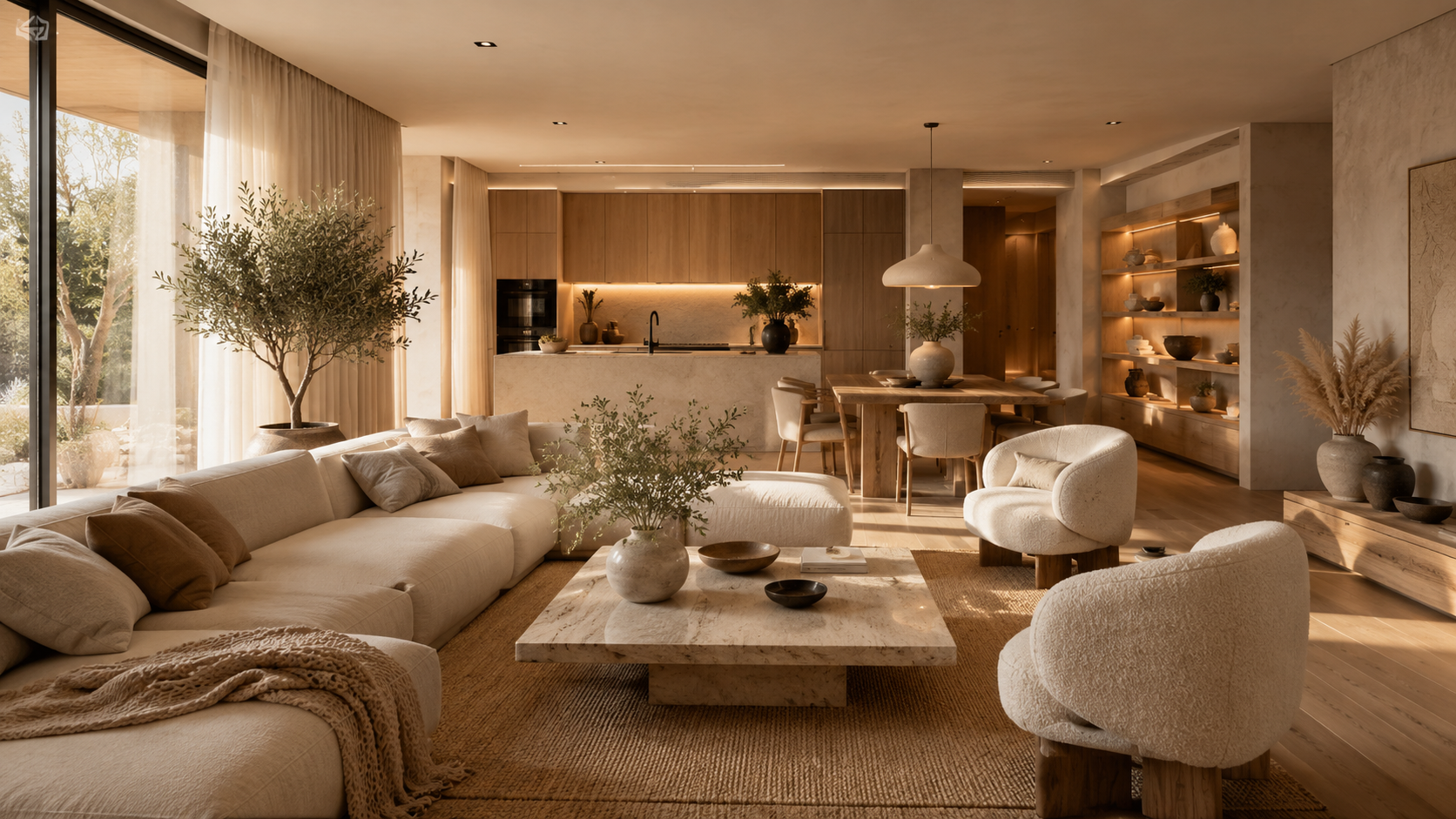
The beauty of Minimalist Room Design is that it works for almost every lifestyle 🌿 Whether someone lives in a modern city apartment, a cozy suburban home, or a compact studio, minimalist interiors help create balance and reduce visual stress. Soft neutral colors, clean lines, natural lighting, and carefully chosen decor pieces work together to create a home that feels fresh and organized without looking boring.
Many people think minimalist spaces feel cold or empty, but modern minimalist interiors are actually warm, inviting, and full of personality 🤍 The secret lies in layering textures, selecting meaningful furniture, and creating harmony between space, color, and lighting.
In this article, discover the Best 3 Minimalist Room Design ideas that can completely transform a living space into a stylish sanctuary filled with comfort and elegance.
Why Minimalist Room Design Feels So Luxurious
Minimalist interiors often look expensive because they focus on quality instead of quantity 🛋️ Rather than overcrowding a room with dozens of items, minimalist spaces use fewer but better-designed pieces. Every object has a purpose, and every corner feels intentional.
A clean environment also creates a sense of mental clarity. Rooms with less clutter naturally feel calmer and more relaxing. This is one reason luxury hotels and designer homes often embrace minimalist concepts.
Another reason Minimalist Room Design feels premium is the emphasis on natural light ☀️ Large windows, soft curtains, reflective surfaces, and open layouts make rooms feel brighter and more spacious. Even a tiny room can appear dramatically larger with the right minimalist approach.
Minimalist interiors are also easier to maintain. Fewer decorations mean less dust, less cleaning, and less chaos. The result is a home environment that feels effortlessly organized and peaceful every day.
Essential Elements of Minimalist Room Design
Before exploring the best minimalist room ideas, it helps to understand the key elements that define this timeless style 🌱
| Element | Description | Why It Matters |
|---|---|---|
| Neutral Colors | White, beige, taupe, gray, cream | Creates calm and openness |
| Clean Lines | Simple furniture shapes | Makes the room look organized |
| Natural Lighting | Large windows and soft lighting | Enhances spaciousness |
| Functional Furniture | Multi-purpose pieces | Saves space and reduces clutter |
| Texture Layering | Linen, wood, boucle, wool | Prevents the room from feeling flat |
| Open Space | Less overcrowding | Improves comfort and movement |
| Minimal Decor | Carefully selected accessories | Creates elegant simplicity |
These elements work together to create interiors that feel balanced and visually soothing ✨
“Minimalism is not about owning less simply for appearance. It is about creating space for comfort, clarity, and intentional living.”
Best 1 Scandinavian Inspired Minimalist Room Design
Scandinavian interiors are among the most popular forms of Minimalist Room Design because they combine simplicity with warmth 🌿 This style focuses on soft textures, natural wood, airy layouts, and cozy details that make a room feel inviting instead of sterile.
Soft Neutral Color Palettes in Scandinavian Minimalist Room Design
The foundation of Scandinavian minimalism starts with light neutral colors 🤍 White walls, warm beige tones, soft gray furniture, and pale oak wood create a bright and calming atmosphere.
Neutral colors reflect natural light beautifully, helping rooms feel larger and more open. This is especially helpful for small apartments or compact bedrooms where space feels limited.
Instead of using bold colors everywhere, Scandinavian interiors add subtle visual interest through texture. Linen curtains, knitted throws, boucle chairs, woven baskets, and soft rugs create warmth without overwhelming the room.
Muted earthy tones like sage green, dusty clay, and soft caramel are sometimes added in small accents to keep the space feeling natural and organic 🍂
Natural Wood Furniture Creates Warmth
One thing that makes Scandinavian Minimalist Room Design feel cozy is the use of natural wood 🌲 Furniture made from oak, ash, pine, or walnut instantly softens the simplicity of the room.
Wood coffee tables, floating shelves, minimalist bed frames, and dining chairs add warmth and texture while maintaining clean lines. Light wood finishes are especially popular because they help rooms feel airy and bright.
The furniture itself is usually simple in shape but highly functional. Scandinavian interiors prioritize practicality without sacrificing beauty.
Instead of oversized decorative furniture, the focus stays on timeless pieces that can last for many years.
Cozy Lighting in Scandinavian Minimalist Room Design
Lighting plays a massive role in Scandinavian homes 💡 Since Nordic countries experience long winters with limited sunlight, interiors are designed to maximize warmth and brightness.
Soft pendant lamps, warm table lights, floor lamps, candles, and hidden LED lighting create a cozy atmosphere during evenings.
Warm white lighting works best because cool lighting can make minimalist spaces feel too clinical. Layered lighting also adds depth and comfort throughout the room.
Large windows are another signature feature. Heavy curtains are often replaced with sheer linen drapes that allow sunlight to flow naturally into the space ☀️
Best 2 Modern Luxury Minimalist Room Design
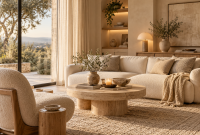
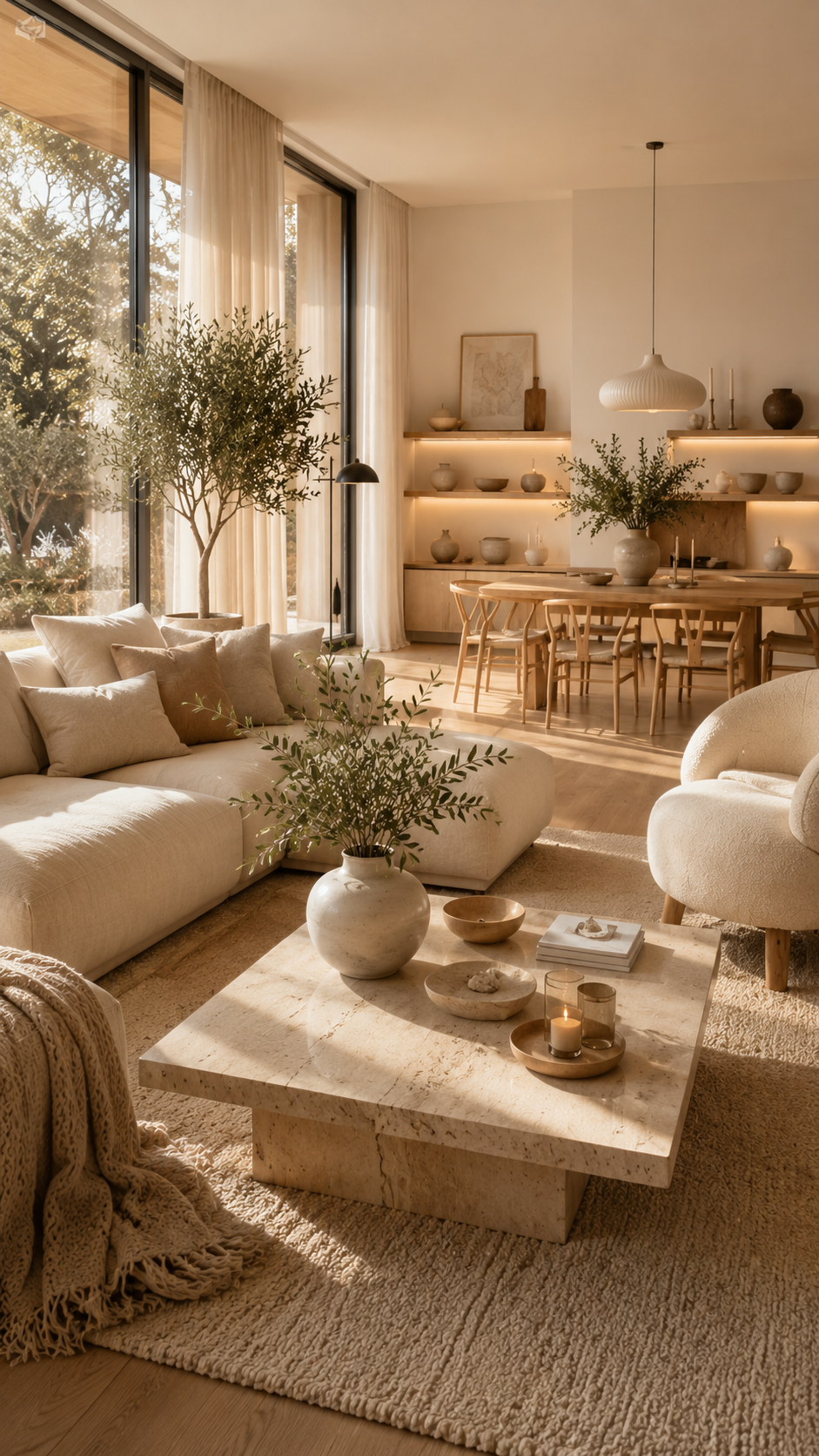
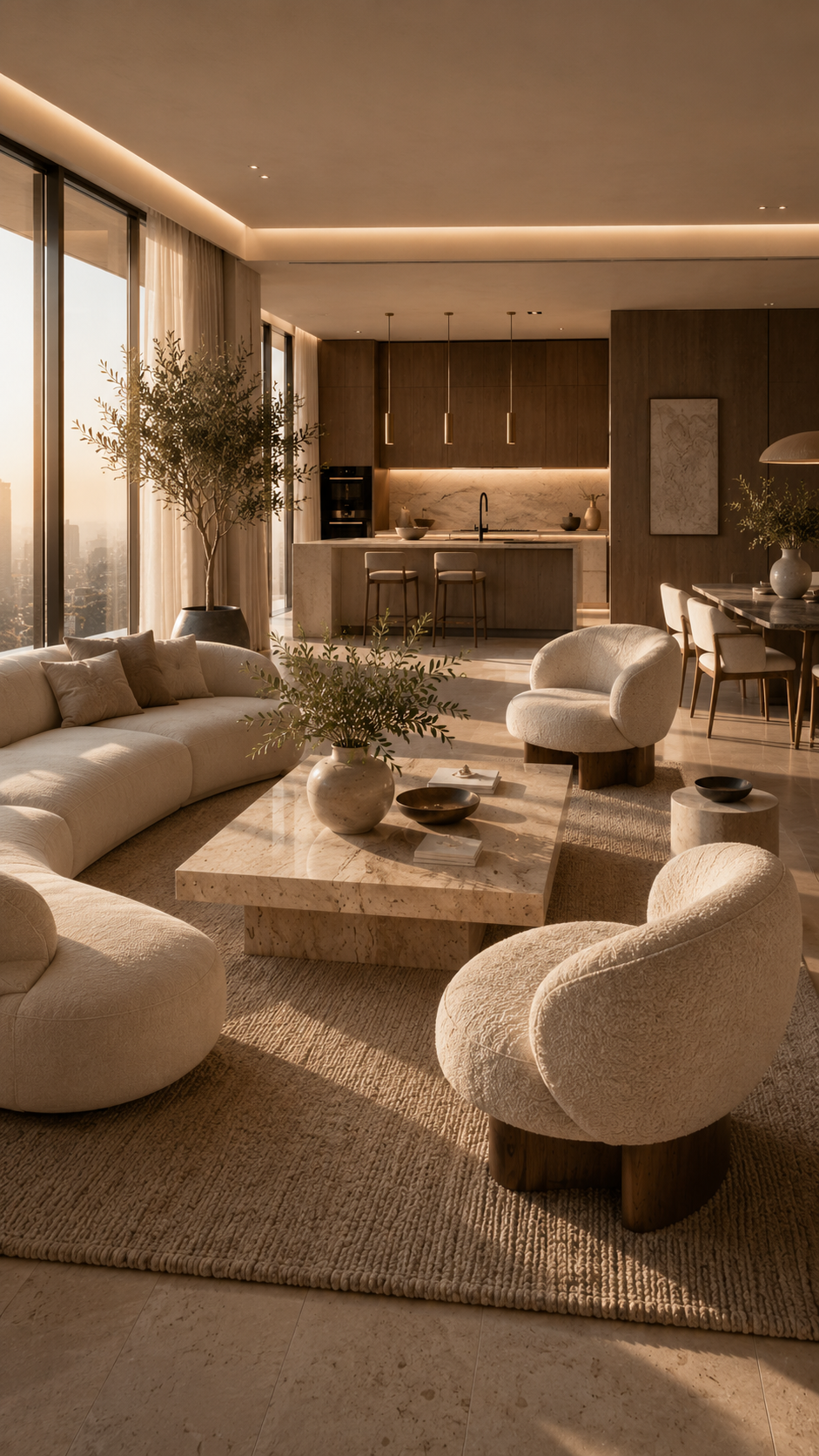
Modern luxury minimalism combines sleek architecture with elegant materials and upscale styling ✨ This type of Minimalist Room Design feels sophisticated, polished, and incredibly high-end while still maintaining simplicity.
Elegant Neutral Tones for a Luxury Minimalist Room Design
Luxury minimalist spaces often use richer neutral palettes compared to Scandinavian interiors 🖤 Instead of bright white everywhere, these rooms may include creamy ivory, mocha brown, taupe, charcoal gray, or soft black accents.
The contrast between light and dark tones creates dramatic elegance while maintaining a calm atmosphere.
Luxury minimalist interiors avoid chaotic color combinations. Instead, they focus on tonal layering where shades blend seamlessly together for a cohesive appearance.
Metal accents like brushed brass, matte black, or champagne gold can also add sophistication without overwhelming the simplicity of the room.
Statement Furniture With Minimalist Shapes
Modern luxury minimalism focuses heavily on sculptural furniture 🛋️ The pieces are often simple but visually striking.
Curved sofas, travertine coffee tables, oversized lounge chairs, floating cabinets, and sleek dining tables create a designer-inspired atmosphere while keeping the room uncluttered.
Rather than filling a room with many small decorations, luxury minimalist spaces often rely on one or two statement pieces that naturally attract attention.
For example:
- A large curved sofa
- An oversized pendant lamp
- A sculptural marble table
- A dramatic textured rug
- A giant floor mirror
These pieces help create a premium look without excessive styling.
High Quality Materials Elevate Minimalist Room Design
Material selection is what truly separates luxury minimalist interiors from ordinary spaces ✨
High-end materials like travertine stone, natural marble, linen upholstery, boucle fabric, textured plaster walls, oak wood, and brushed metal instantly create a refined atmosphere.
Even small details matter. Premium curtains, elegant cabinet handles, quality lighting fixtures, and textured decorative objects can dramatically improve the overall appearance of the room.
Minimalism works best when every item feels intentional and carefully chosen.
Open Space Creates Luxury
One reason luxury homes feel expensive is because they emphasize space rather than overcrowding 🌿
Modern Minimalist Room Design embraces open layouts where furniture placement allows comfortable movement throughout the room.
Negative space is extremely important. Empty areas are not considered wasted space in minimalism. Instead, they help highlight the beauty of the furniture and create visual breathing room.
Large rugs, low-profile furniture, and hidden storage help maintain this clean and open feeling.
Best 3 Japandi Minimalist Room Design
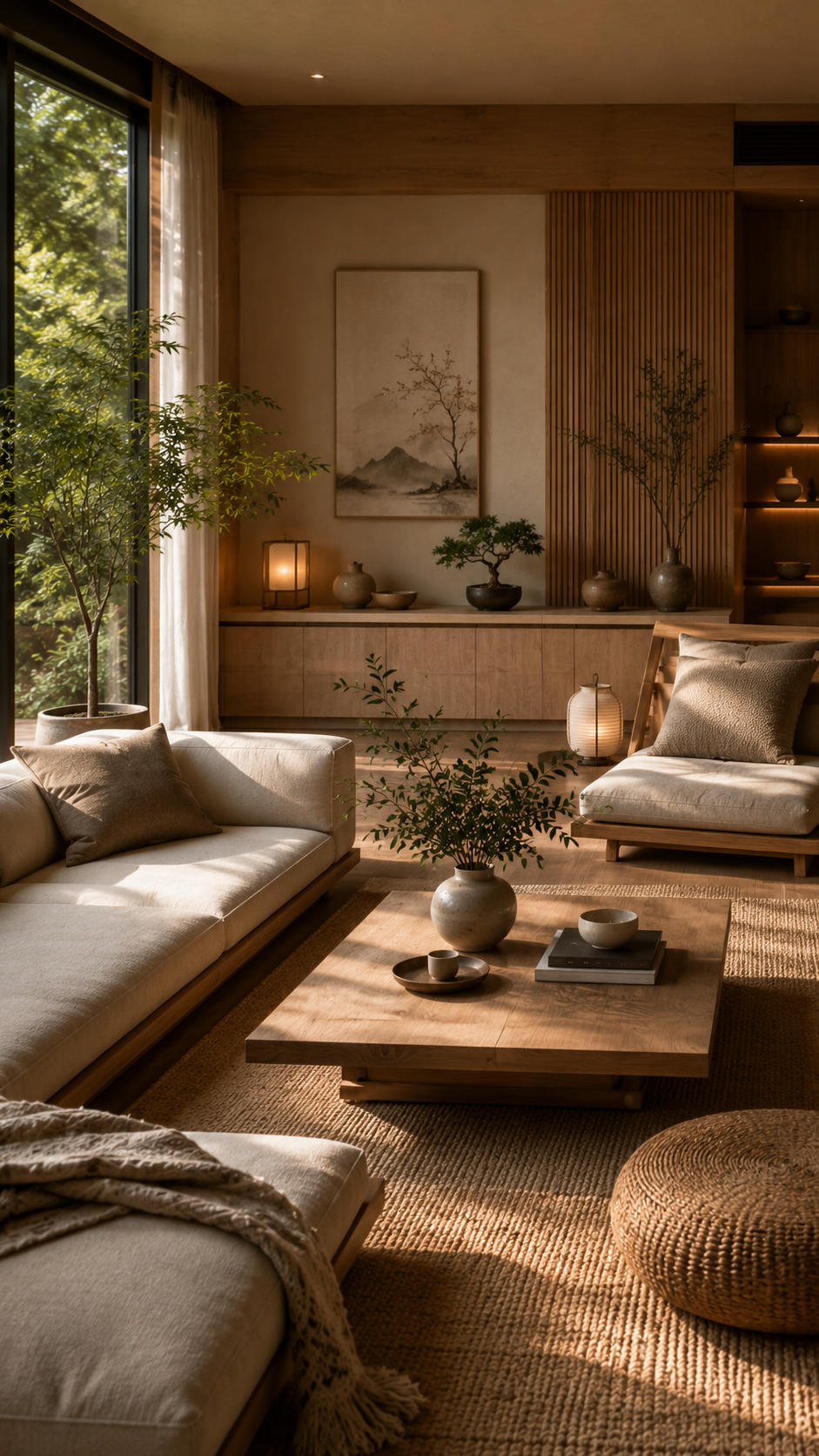
Japandi design has exploded in popularity because it beautifully combines Japanese simplicity with Scandinavian warmth 🍃 This fusion creates interiors that feel peaceful, balanced, and deeply connected to nature.
Natural Harmony in Japandi Minimalist Room Design
Japandi interiors focus heavily on harmony and mindfulness 🌱 The atmosphere feels calm, grounded, and uncluttered.
Unlike highly polished luxury minimalism, Japandi embraces natural imperfections and organic textures. Handmade ceramics, raw wood, stone surfaces, linen fabrics, and earthy tones help create authenticity.
The color palette often includes:
- Warm beige
- Sand
- Clay
- Olive green
- Walnut brown
- Soft gray
- Muted black
These natural shades create an incredibly soothing environment.
Low Furniture Creates Calm Spaces
Japanese-inspired interiors often use lower furniture profiles 🪴 Low platform beds, short coffee tables, floor cushions, and streamlined seating help create a grounded atmosphere.
This design approach makes ceilings appear taller and rooms feel more open.
The furniture itself remains highly functional while avoiding unnecessary ornamentation. Every piece serves a clear purpose.
Japandi spaces also avoid excessive decorations. Instead of cluttering shelves with random accessories, they display only meaningful and carefully selected objects.
Bringing Nature Into Minimalist Room Design
Nature is one of the most important elements in Japandi interiors 🌿 Indoor plants, natural sunlight, wooden textures, and organic materials help create a stronger connection between indoor and outdoor spaces.
Popular plants for Japandi spaces include:
- Olive trees
- Bonsai
- Snake plants
- Monstera
- Bamboo
- Fiddle leaf figs
These plants add life and softness without disrupting the minimalist aesthetic.
Natural textures are layered throughout the room using woven baskets, linen bedding, ceramic vases, textured rugs, and wooden furniture.
The result feels incredibly calming and timeless.
Small Space Minimalist Room Design Tips
Minimalism works especially well in smaller homes because it helps maximize available space 🏡
Use Multi Functional Furniture
Furniture that serves multiple purposes is essential in compact minimalist interiors.
Examples include:
- Storage beds
- Foldable desks
- Expandable dining tables
- Ottomans with hidden storage
- Wall-mounted shelves
These solutions reduce clutter while improving functionality.
Keep Decor Simple and Intentional
Small rooms become visually overwhelming very quickly. Instead of adding dozens of decorations, focus on only a few impactful pieces ✨
A framed artwork, textured vase, elegant lamp, or single indoor plant is often enough to create personality.
Minimalist interiors rely on balance rather than excess.
Maximize Vertical Space
Using walls effectively can make tiny rooms feel significantly larger 🌿 Floating shelves, vertical cabinets, and wall-mounted lighting free up floor space and improve organization.
Tall curtains also help create the illusion of higher ceilings.
Mirrors are another excellent trick because they reflect light and visually expand the room.
Common Mistakes in Minimalist Room Design
Even though minimalism looks simple, creating a balanced minimalist room requires thoughtful planning ⚠️
Using Too Much White
Completely white interiors can sometimes feel cold and lifeless if there is no texture or warmth.
Adding wood, fabrics, soft lighting, and natural elements helps prevent the room from feeling sterile.
Removing Too Much Personality
Minimalism should still reflect personal style 🤍 A room without any personality can feel empty instead of calming.
Meaningful artwork, favorite books, handmade ceramics, or sentimental objects can still exist within a minimalist space.
Ignoring Storage Solutions
A minimalist room quickly loses its clean appearance without proper storage.
Hidden cabinets, built-in shelves, storage baskets, and multifunctional furniture are essential for maintaining organization.
How to Make Minimalist Room Design Feel Cozy
One misconception about minimalism is that it always feels cold or boring 🌾 In reality, minimalist interiors can feel incredibly cozy when styled properly.
Layer Soft Textures
Texture is what gives minimalist rooms depth and warmth.
Combine:
- Linen curtains
- Boucle chairs
- Wool blankets
- Soft rugs
- Knitted cushions
- Natural wood
These materials create visual richness while maintaining simplicity.
Use Warm Lighting
Lighting dramatically changes the mood of a room ✨
Warm ambient lighting feels relaxing and inviting, especially during evenings. Layering floor lamps, table lamps, candles, and hidden LED lighting creates a softer atmosphere.
Avoid harsh white lighting whenever possible.
Add Organic Shapes
Too many sharp lines can make a room feel rigid. Curved furniture, rounded mirrors, soft arch shapes, and organic decor help create balance and comfort.
These subtle curves soften the minimalist aesthetic beautifully.
Minimalist Room Design Trends That Are Growing Fast
Minimalist interiors continue evolving every year 🌿 Some of the biggest trends currently shaping modern homes include:
| Trend | Why People Love It |
|---|---|
| Japandi Style | Peaceful and nature-inspired |
| Warm Minimalism | Feels cozy instead of cold |
| Earth Tone Interiors | Creates calming environments |
| Curved Furniture | Softens modern spaces |
| Hidden Storage | Keeps rooms clutter-free |
| Textured Walls | Adds visual depth |
| Sustainable Materials | Eco-friendly and timeless |
These trends prove that minimalism is becoming more human-centered and comfortable rather than overly strict or empty.
Why Minimalist Room Design Never Goes Out of Style
Unlike trendy interiors that quickly feel outdated, Minimalist Room Design remains timeless because it focuses on simplicity, balance, and functionality ✨
Clean spaces naturally feel more relaxing and easier to live in. Neutral colors work with changing trends, allowing homeowners to refresh their spaces without complete renovations.
Minimalist interiors also encourage mindful living. Instead of constantly chasing more decorations or furniture, the focus shifts toward appreciating quality, comfort, and intentional design.
Whether inspired by Scandinavian warmth, modern luxury elegance, or Japandi tranquility, minimalist interiors create homes that feel peaceful, stylish, and deeply welcoming 🌿
The best part is that minimalism is flexible. It can be adapted to different personalities, lifestyles, budgets, and room sizes while still maintaining its calming and elegant essence.
Related posts:

Best 3 Plastic Pumpkins Makeover Ideas That Look Surprisingly Expensive
Best 3 Bookshelf Wallpaper Ideas That Make Any Wall Look Expensive
Best 3 Wedding Photo Displays That Make Your Celebration Feel More Personal
Best 3 Minimalist Cozy Interiors Ideas That Make Simple Homes Feel Warm and Beautiful
Best 3 Cozy Reading Chairs That Make Any Corner Feel Like Your Favorite Escape
Best 3 Wainscoting and Beadboard Styles That Instantly Make Any Room Look More Expensive