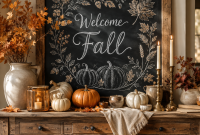
A beautiful Thanksgiving table can completely transform the atmosphere of your holiday dinner. Long before the turkey is carved or the first slice of pumpkin pie is served, guests notice the colors, textures, candles, plates, flowers, and small decorative details that make the dining space feel special. A thoughtfully styled table creates a sense of occasion while making everyone feel welcomed, comfortable, and ready to celebrate together.
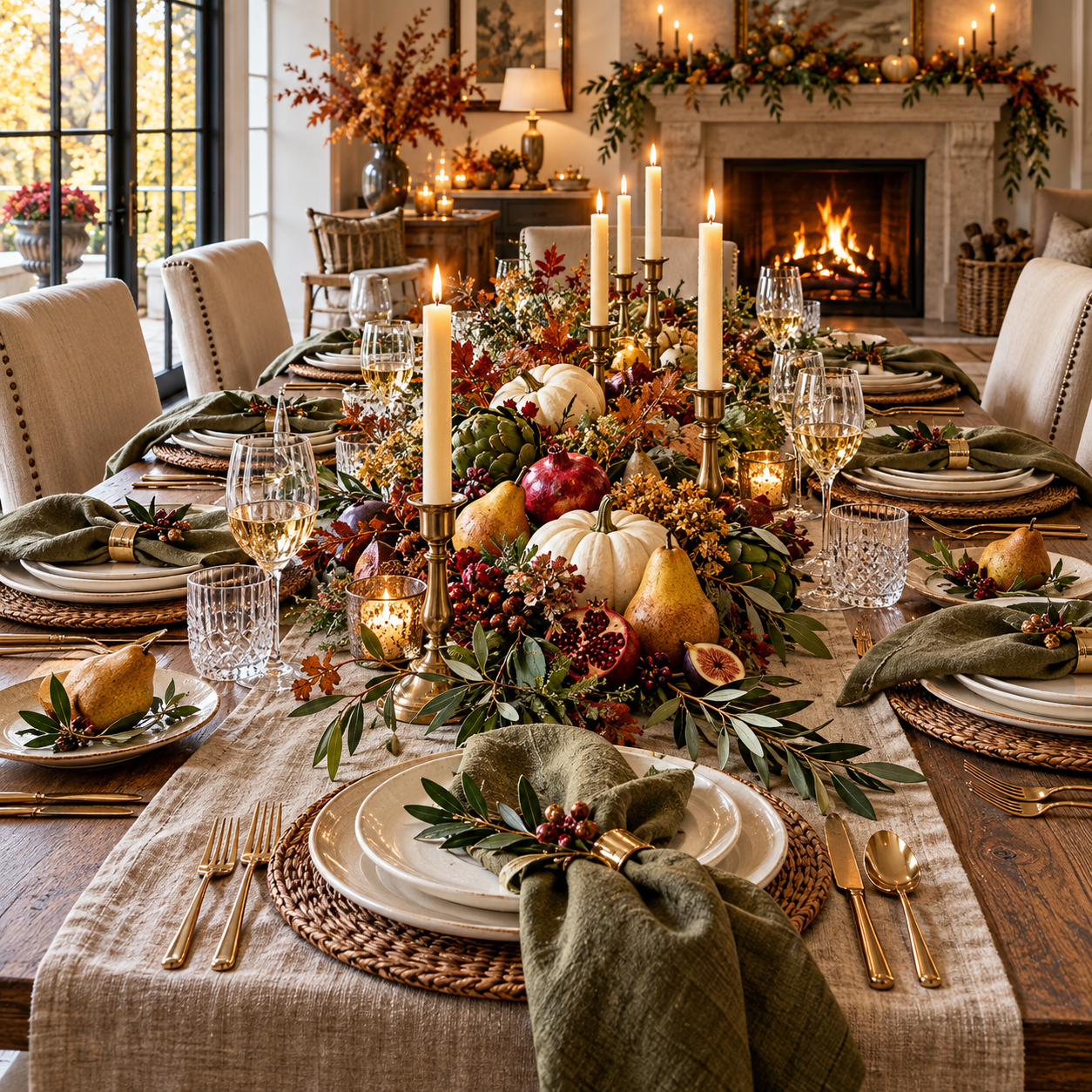
The best Thanksgiving table ideas do not need to feel overly formal or crowded with expensive decorations. In fact, some of the most memorable tables combine natural materials, warm autumn colors, layered textiles, simple seasonal greenery, and carefully placed lighting. The goal is to create a setting that feels intentional without making the dining table difficult to use.
For a fresh approach, these Best 3 Thanksgiving Table ideas focus on three different moods. The first embraces refined natural textures and earthy neutral colors. The second uses deeper autumn shades and candlelight for a dramatic harvest-inspired atmosphere. The third takes a lighter botanical direction with soft greens, creamy whites, and understated seasonal details.
Each style can be adapted for a large family gathering, intimate dinner, apartment dining room, farmhouse kitchen, or contemporary home. 🍂
Why Your Thanksgiving Table Matters More Than You Think
Thanksgiving is one of the few holidays where the dining table becomes the true center of the celebration. People may gather in the living room before dinner, help in the kitchen, or spend time outside, but eventually everyone comes together around the same table.
That makes the table more than a place for plates and food. It becomes the visual and emotional center of the gathering.
A beautiful Thanksgiving table immediately creates warmth. Soft linen napkins, glowing candles, seasonal branches, textured ceramics, or small place cards can make even a familiar dining room feel different for the day.
The most successful tables also balance beauty with practicality. A centerpiece should not block conversation. Decorative objects should not compete with serving dishes. Candles should add atmosphere without making guests uncomfortable.
🍁 The secret is not adding more decoration. It is choosing the right decorative elements and giving each one enough space to be noticed.
How to Choose the Right Thanksgiving Table Style
Before purchasing decorations or collecting branches from the garden, consider the overall mood you want the room to have.
Some Thanksgiving dinners feel relaxed and rustic. Others are elegant and candlelit. Some families prefer traditional oranges and browns, while modern interiors may look better with muted beige, olive, ivory, burgundy, or dark chocolate tones.
Start with the room itself.
If the dining space already contains warm wood furniture, woven chairs, and natural fabrics, an earthy Thanksgiving table will probably feel harmonious. If the room has dramatic dark walls or sophisticated furniture, richer colors and metallic accents may work beautifully.
Minimalist or Scandinavian-inspired interiors often benefit from a softer botanical approach.
The size of the table matters as well. Long dining tables can accommodate layered centerpieces and repeated candle arrangements. Smaller round tables usually look better with one compact focal arrangement surrounded by simple individual place settings.
Thanksgiving Table Color Palette Guide
Choosing a limited palette helps the entire table feel polished rather than random.
| Thanksgiving Table Style | Main Colors | Best Materials | Overall Mood |
|---|---|---|---|
| Natural Harvest Minimalism | Cream beige taupe olive brown | Linen wood ceramic dried leaves | Calm organic refined |
| Candlelit Autumn Drama | Burgundy rust amber plum bronze | Velvet brass glass dark wood | Warm luxurious atmospheric |
| Botanical Thanksgiving Elegance | Ivory sage eucalyptus soft gold | Greenery stoneware linen glass | Fresh sophisticated timeless |
Each palette works because the colors are connected rather than competing with one another.
For the strongest visual result, choose one dominant neutral color, one deeper supporting color, and one or two natural accent tones.
For example, ivory may become the primary color, olive the supporting shade, and warm brown and bronze the accents.
This approach creates depth while keeping the table visually organized.
🥇 Best 1 Natural Harvest Thanksgiving Table With Layered Earthy Textures
The first Thanksgiving table idea is perfect for anyone who loves warm, natural interiors but wants something more sophisticated than traditional rustic decor.
Instead of covering the table with bright orange pumpkins and obvious seasonal decorations, create interest through texture.
Imagine a warm wooden table partially visible beneath a soft linen runner. Handmade ceramic plates sit above woven or natural fiber placemats. Cream-colored napkins add softness, while small branches, olive leaves, dried grasses, nuts, pears, or miniature muted pumpkins provide subtle autumn references.
The finished look should feel effortless, organic, and quietly luxurious.
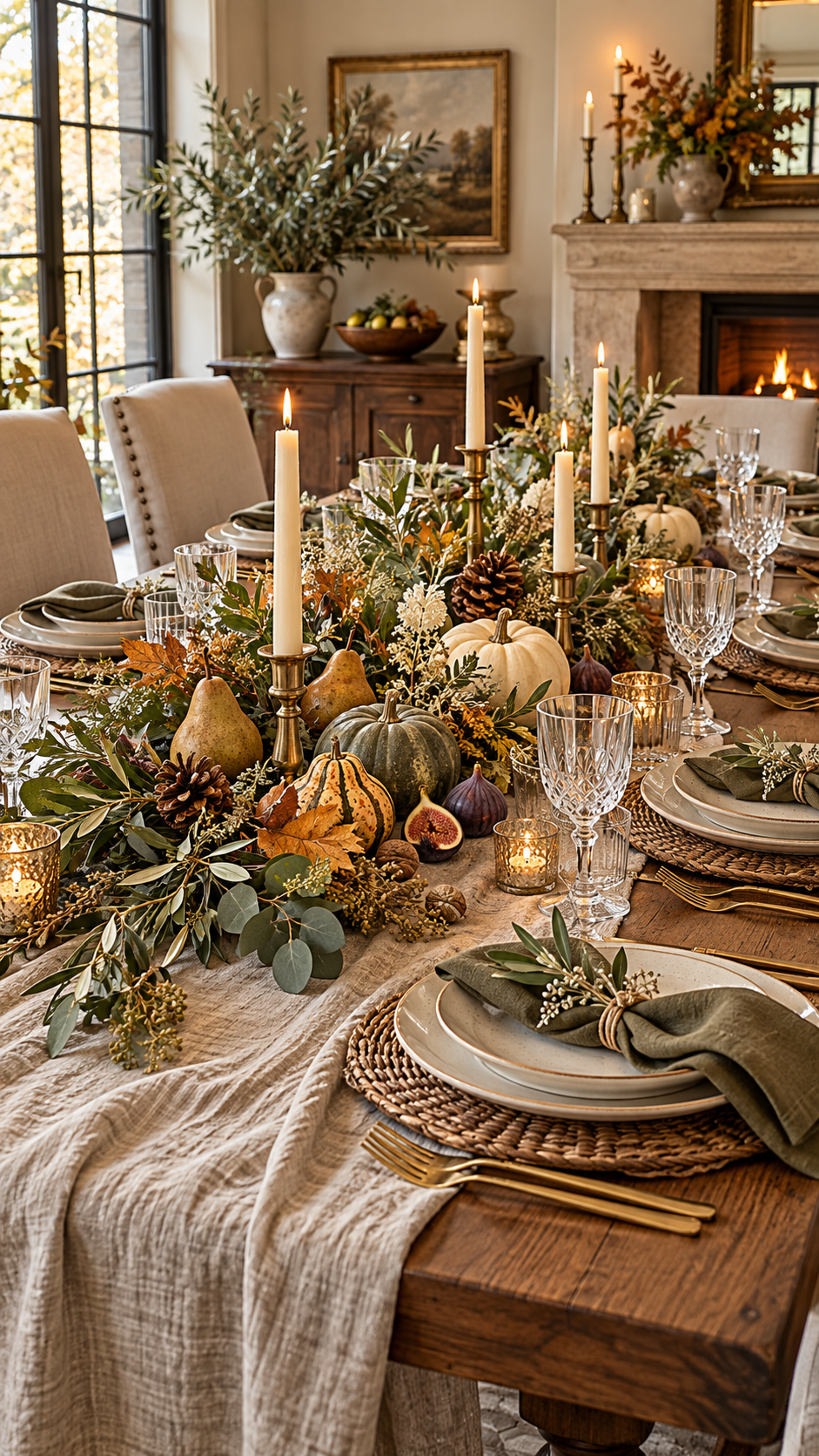
Thanksgiving Table Base With Linen and Natural Wood
Start with the surface of the table.
If you have a beautiful wooden dining table, there is no need to hide it beneath a full tablecloth. The natural grain can become part of the decoration.
Instead, place a long linen runner through the center.
Choose a slightly textured fabric in oatmeal, flax, warm cream, mushroom beige, or muted greige. A runner that looks slightly relaxed rather than perfectly pressed can make the setting feel more natural.
For painted or glass tables, a full linen tablecloth may provide the warmth needed to support the autumn palette.
Avoid overly shiny fabrics. Thanksgiving usually benefits from tactile materials that feel soft and grounded.
Layer the Thanksgiving Table Place Settings
Layering makes simple dishes look more intentional.
Begin with a natural placemat, woven charger, or understated wooden charger. Add the dinner plate, followed by a smaller salad or appetizer plate if needed.
The dishes do not have to match perfectly.
Handmade-looking stoneware in cream, speckled beige, warm gray, or soft ivory creates character. Slight variations in glaze can actually make the table feel more expensive and curated.
Place a folded linen napkin across the plate or beside the cutlery.
A small rosemary sprig, dried wheat stem, olive branch, or tiny autumn leaf can become a simple napkin decoration. 🌿
The detail is small, but repeated across every place setting it creates strong visual consistency.
Build a Low Natural Thanksgiving Table Centerpiece
The centerpiece should stay relatively low.
Create a loose line of greenery and seasonal materials along the runner rather than using one large floral arrangement.
Try combining olive branches, eucalyptus, dried leaves, small pears, figs, nuts in shells, miniature neutral pumpkins, pinecones, or delicate grasses.
Do not use everything at once.
Choose three or four materials and repeat them naturally across the center of the table.
For example, olive branches could provide the main greenery, small cream pumpkins could create seasonal structure, pears could introduce warm color, and brass candleholders could add height.
The result feels abundant without becoming cluttered.
Add Warm Lighting Without Overdecorating
Candles are especially important for this style because they prevent the neutral palette from feeling flat.
Use several slim taper candles placed at different points along the table.
Warm ivory, taupe, caramel, or muted olive candles can work beautifully.
Choose candleholders in aged brass, dark bronze, matte ceramic, or clear glass.
If the meal begins during daylight, the candles will still provide visual structure. As evening arrives, the flames gradually become a stronger part of the atmosphere.
🕯️ This transition is one reason candle-based decor photographs so beautifully and feels especially memorable during long holiday meals.
Why This Thanksgiving Table Style Works
Natural Harvest Minimalism works because it creates richness without relying on bright color.
Texture does most of the work.
The contrast between smooth ceramic plates, wrinkled linen, natural wood grain, glossy fruit, dried grasses, and metallic candleholders creates depth.
It is also easy to customize.
A casual family gathering can use simple plates and collected branches. A more formal dinner can introduce elegant glassware, heavier linen, and antique-style brass accessories.
The core aesthetic remains the same.
🥈 Best 2 Candlelit Autumn Thanksgiving Table With Deep Harvest Colors
The second Thanksgiving table idea is richer, moodier, and more dramatic.
This look is ideal for an evening dinner where candlelight becomes an important part of the experience.
Instead of pale neutrals, build the table around deep autumn colors such as burgundy, rust, burnt sienna, aubergine, dark brown, amber, and bronze.
The atmosphere should feel warm and sophisticated rather than themed.
Think old-world dining room, glowing candles, polished glassware, autumn fruit, velvet ribbon, and seasonal foliage with deep natural tones.
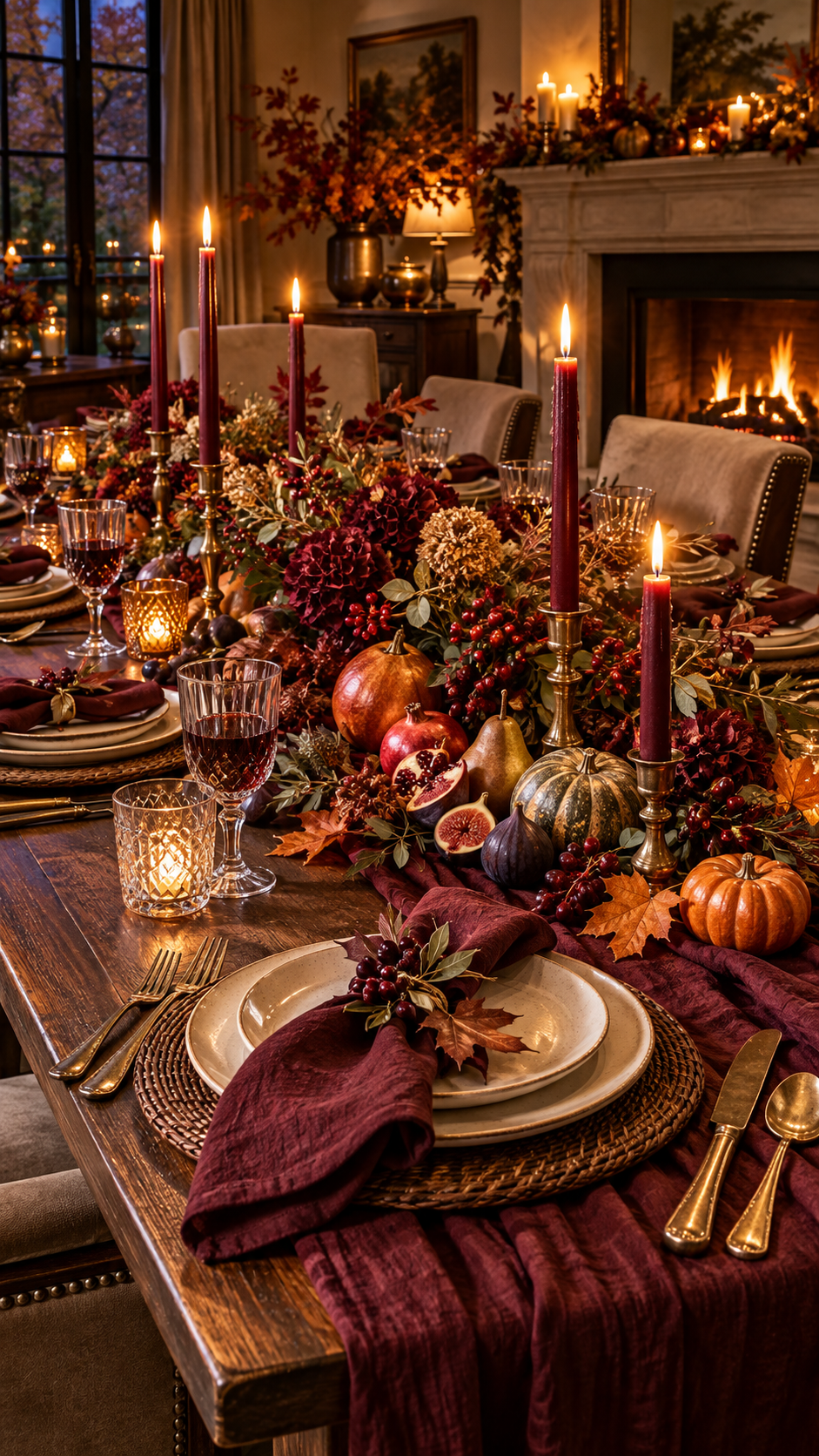
Create a Darker Thanksgiving Table Foundation
Begin with a deeper foundation.
A warm walnut or dark wood table is perfect for this look, but lighter tables can be transformed with a runner in muted burgundy, chocolate brown, rust, or dark taupe.
Another option is using a neutral tablecloth and bringing darker colors into the napkins and centerpiece.
Avoid pure black unless the room is extremely bright. Deep chocolate, espresso, plum, and charcoal-brown usually feel softer and more connected to autumn.
Fabric texture also matters.
Washed linen keeps the look relaxed, while subtle velvet accents can add richness.
Use velvet sparingly because too much can make the table feel heavy.
Use Burgundy and Rust as Sophisticated Seasonal Colors
Orange may be closely associated with Thanksgiving, but it does not need to dominate the table.
A more sophisticated alternative is combining rust with burgundy.
Rust provides the warm autumn connection, while burgundy introduces depth and elegance.
Add accents of amber glass, dark plum fruit, bronze cutlery, or aged brass.
These colors complement one another because they share warm undertones.
Small amounts of cream or ivory prevent the palette from becoming too dark.
For example, cream dinner plates can provide a visual break between a dark wood table and burgundy linen napkins.
Design an Autumn Fruit Thanksgiving Table Centerpiece
Fruit is one of the easiest ways to make a Thanksgiving centerpiece look abundant without using large floral arrangements.
Arrange pears, figs, dark grapes, pomegranates, small apples, or persimmons along the center of the table.
Combine them with branches of autumn foliage.
The fruit does not need to be arranged symmetrically. A slightly irregular composition often feels more natural and luxurious.
Place some fruit directly on the runner and elevate a few pieces on small dishes or shallow bowls.
Adding nuts in their shells can create another layer of texture.
🍐 The centerpiece should look as though it developed naturally across the table rather than being assembled into one rigid arrangement.
Create Layers of Thanksgiving Candlelight
Candlelight defines this style.
Instead of using identical candleholders, combine a few heights.
Tall taper candles create vertical rhythm, while small votives and low glass candleholders fill the spaces between them.
Warm cream candles are the safest choice, but deep burgundy or muted amber candles can create a stronger visual statement.
Clear glass holders reflect light beautifully.
Aged brass holders add warmth during daylight and glow under candlelight in the evening.
Keep the flames away from dried leaves, fabric, and other flammable decorations.
Important Note: Keep Thanksgiving table centerpieces low enough for guests to see one another comfortably and place candles where they will not interfere with serving dishes, sleeves, children, or dried decorative materials.
Add Elegant Thanksgiving Place Cards
Place cards can make even a casual gathering feel thoughtfully planned.
They do not need to be formal.
Write each guest’s name on small textured cards in warm cream, kraft brown, muted burgundy, or handmade paper.
Attach the card to a napkin using a simple ribbon or place it above the plate.
For a botanical detail, add a tiny rosemary sprig or dried leaf.
For something slightly richer, use thin velvet ribbon in burgundy, olive, or chocolate.
The place cards also help organize seating when the table is crowded.
Why This Thanksgiving Table Style Works
This design creates a strong sense of occasion.
The deep colors immediately separate Thanksgiving dinner from an ordinary meal.
Candlelight softens the room, warm glassware adds reflective surfaces, and fruit gives the centerpiece an abundant harvest feeling.
It also works exceptionally well in rooms with traditional wood furniture, dark cabinetry, vintage artwork, fireplaces, or warm architectural details.
The overall result feels intimate and celebratory without relying on obvious Thanksgiving symbols.
🥉 Best 3 Botanical Thanksgiving Table With Soft Green and Ivory Details
The third Thanksgiving table idea takes a lighter and fresher approach.
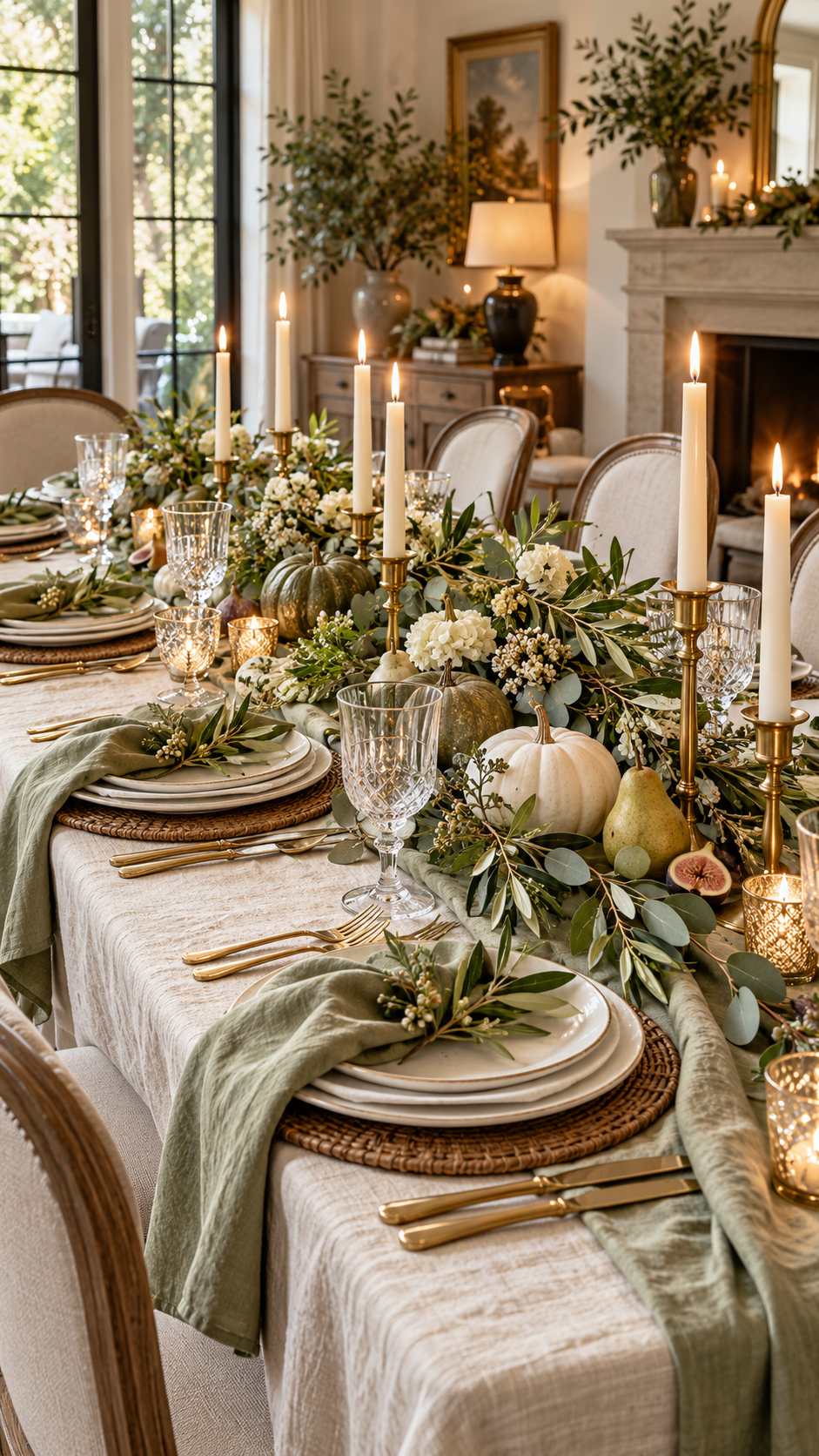
Instead of emphasizing classic autumn colors, it uses soft green foliage, creamy white ceramics, natural linen, pale pumpkins, and restrained metallic details.
This style is especially suitable for contemporary interiors, Scandinavian-inspired homes, neutral dining spaces, or anyone who prefers understated holiday decor.
It still feels seasonal, but the Thanksgiving reference comes through natural materials rather than traditional orange decorations.
Build an Ivory Thanksgiving Table Palette
Start with ivory, warm white, or cream as the main color.
Use a soft tablecloth or runner with subtle texture.
Add simple cream stoneware or porcelain plates.
Clear glassware keeps the table feeling airy.
Napkins can remain neutral or introduce a soft sage, olive, eucalyptus, or dusty green.
The result should feel calm rather than sterile.
Warm beige, natural wood, and candlelight prevent pale colors from becoming too cool.
Make Greenery the Hero of the Thanksgiving Table
Greenery replaces colorful flowers in this design.
Use eucalyptus, olive branches, bay leaves, rosemary, seasonal garden foliage, or delicate leafy stems.
Arrange the branches loosely along the center of the table.
Avoid making a thick garland.
The table should still have plenty of visible negative space.
Small clusters of leaves are often more elegant than one heavy mass of greenery.
Place tiny cream pumpkins or pale gourds between the branches to introduce a subtle seasonal signal.
You can also use small green or golden pears.
🌿 The combination of foliage and fruit creates a fresh interpretation of the traditional harvest centerpiece.
Add Sculptural Candles and Simple Glassware
Because the colors are quiet, shape becomes more important.
Choose candleholders with interesting silhouettes.
Minimal brass holders, ribbed glass votives, stone candleholders, or sculptural ceramic pieces can create visual interest.
Keep the candles warm white, cream, or pale beige.
Clear or lightly tinted glassware works beautifully.
If you want a metallic accent, use warm gold or brushed brass rather than bright polished silver.
The metallic element should appear only in small quantities.
For example, brass flatware may be enough.
Use Small Botanical Thanksgiving Place Setting Details
Individual place settings are an opportunity to make the table feel personal.
Place a small rosemary sprig on each napkin.
Alternatively, use a miniature olive branch or bay leaf stem.
A simple handwritten name card can be tucked into the greenery.
For a more decorative idea, attach a tiny dried leaf or botanical stem using natural twine.
Keep these decorations slim enough that guests can easily remove them before eating.
The goal is to create a beautiful arrival moment without making the place setting complicated.
Why This Thanksgiving Table Style Works
Botanical Thanksgiving styling feels timeless because it avoids overly specific seasonal motifs.
Most of the materials can also be reused during other times of the year.
Cream dishes work for almost every occasion. Linen napkins are versatile. Brass candleholders transition easily into Christmas or winter decor. Clear glassware remains useful year-round.
Only a few elements, such as seasonal fruit or small pumpkins, need to change.
This makes the style appealing for anyone who prefers reusable decor rather than purchasing an entirely new collection every holiday.
How to Make Any Thanksgiving Table Look More Expensive
An expensive-looking table is usually not about expensive objects.
Consistency has a greater visual impact than price.
Using the same napkin style at every seat, repeating one type of greenery, limiting the color palette, and using coordinated candleholders can make simple decorations look intentional.
Avoid adding too many unrelated seasonal objects.
A table covered with pumpkins, decorative signs, artificial leaves, turkey figurines, ribbons, flowers, pinecones, lanterns, and multiple colors may feel busy even when each individual object is attractive.
Choose fewer elements and repeat them.
For example, a cream and olive Thanksgiving table might use only linen, ceramics, olive branches, pears, and brass candles.
That limited material palette often looks more sophisticated than a much larger collection of decorations.
Use Height Carefully
A professional-looking tablescape usually contains different heights.
Flat plates form the lowest layer.
Fruit, greenery, or small arrangements create the middle layer.
Taper candles provide the tallest elements.
This variation prevents the table from looking flat.
However, tall decorations should remain narrow.
Large floral arrangements positioned at eye level can make conversation difficult.
If flowers are important to your design, use several small arrangements rather than one enormous centerpiece.
Repeat Decorative Elements Along the Thanksgiving Table
Long tables benefit from repetition.
Instead of placing one centerpiece in the middle, repeat small visual moments from one end to the other.
For example, alternate a candleholder, a small pumpkin, a branch cluster, and a piece of fruit.
Then repeat the pattern loosely.
The arrangement does not have to be perfectly symmetrical.
In fact, slight variations make the table feel organic.
What matters is that the colors and materials remain consistent.
Leave Space for Thanksgiving Food
One of the biggest decorating mistakes is forgetting that the table must eventually hold dinner.
If the meal will be served family-style, leave generous open areas for platters, bowls, sauces, bread baskets, and drinks.
Decorations can be concentrated along a narrow center line.
Another option is keeping the main Thanksgiving dishes on a nearby buffet, kitchen island, or sideboard.
This allows the table decor to remain in place throughout dinner.
Planning this before decorating prevents last-minute rearranging when hot food arrives.
Simple Thanksgiving Table Details Guests Will Remember
Large decorations create the initial impression, but small details often make the gathering feel personal.
Consider adding individual menu cards if the dinner includes several courses.
A handwritten welcome note can be placed at each setting.
Small bowls of nuts, olives, or seasonal snacks can fill gaps between the centerpiece and place settings.
A tiny bread plate with homemade butter can also add a restaurant-inspired touch.
Even the water glasses can become decorative when combined with thin slices of pear, apple, citrus, or fresh herbs.
These details should remain functional whenever possible.
Functional beauty is especially useful on a dining table because every inch of space matters.
Thanksgiving Table Ideas for Small Dining Spaces
A small Thanksgiving table can be just as memorable as a large one.
The main difference is scale.
Avoid wide floral arrangements and oversized pumpkins.
Use one narrow arrangement in the center, such as a small ceramic bowl filled with pears and greenery.
Two or three taper candles can provide height without consuming much surface area.
Place cards can be attached directly to folded napkins rather than occupying additional space.
Choose smaller decorative elements and let the place settings provide much of the visual interest.
Beautiful plates, textured napkins, polished glassware, and a few botanical stems may be all the decoration required.
For very small tables, consider moving serving dishes elsewhere.
A kitchen counter or side table can function as a buffet, allowing guests to sit comfortably without competing for table space.
Thanksgiving Table Ideas for Large Family Gatherings
Large tables offer more decorating possibilities, but they require stronger visual organization.
Repeat the same centerpiece elements throughout the table rather than trying to create one massive focal point.
For example, use three low greenery arrangements spaced evenly along the table.
Place taper candles between them.
Repeat small bowls of fruit or decorative gourds.
This creates rhythm and ensures that guests seated at either end experience the same atmosphere as those in the center.
Place settings also become important because they visually organize a large table.
Matching napkins, consistent plates, and repeated botanical details help unify the entire arrangement.
If several tables are required, use the same palette and materials on each one.
They do not have to be identical.
Repeating the main colors and decorative materials will make the entire dining area feel connected.
Which Thanksgiving Table Idea Should You Choose
All three ideas can create a beautiful holiday setting, but they offer very different atmospheres.
Choose Natural Harvest Thanksgiving Table With Layered Earthy Textures if you love organic materials, calm neutral interiors, handmade ceramics, and relaxed sophistication.
Choose Candlelit Autumn Thanksgiving Table With Deep Harvest Colors if you want the dinner to feel dramatic, intimate, traditional, and especially beautiful after sunset.
Choose Botanical Thanksgiving Table With Soft Green and Ivory Details if your home has a modern, Scandinavian, minimalist, or neutral interior and you prefer fresh styling over classic orange autumn decor.
There is also no rule requiring you to follow one style exactly.
The most personal tables often combine elements from several ideas.
You might use the cream ceramics from the botanical table, the fruit centerpiece from the dramatic table, and the linen textures from the natural table.
As long as the color palette remains controlled, these ideas can work beautifully together.
Final Thoughts on Creating an Unforgettable Thanksgiving Table
The best Thanksgiving table is not necessarily the one with the most decorations. It is the one where every element contributes to the atmosphere without making the meal uncomfortable.
A restrained color palette creates visual harmony. Layered materials add depth. Low centerpieces allow conversation. Candlelight creates warmth. Personal place-setting details make guests feel considered.
For a relaxed and timeless look, natural textures and earthy colors remain one of the strongest choices.
For a more memorable evening atmosphere, deep harvest colors and layered candlelight can turn the dining room into something special.
For a cleaner contemporary direction, botanical greenery with ivory ceramics offers an elegant alternative to traditional Thanksgiving decorating.
Most importantly, the table should support the celebration rather than dominate it.
When guests can sit comfortably, share food easily, see one another across the table, and enjoy a warm atmosphere together, the decorating has already achieved its most important purpose. 🍁
Whether your Thanksgiving dinner includes a large extended family, a few close friends, or an intimate gathering at home, these Best 3 Thanksgiving Table ideas provide a flexible starting point for creating a holiday setting that feels beautiful, welcoming, seasonal, and unforgettable.
Related posts:

Best 3 Christmas Tree Ideas 2026 Everyone Will Want to Copy This Holiday Season
Best 3 Practical Magic House Ideas That Make Any Home Feel Enchanted
Top 3 Ganpati Decoration at Home Ideas That Will Make Your Celebration Look Absolutely Stunning
Top 3 Dorm Whiteboard Ideas That Are Cute and Actually Useful
Top 3 Fall Entry Table Decor Ideas That Make Your Home Look Instantly Expensive
Top 3 Fall Chalkboard Ideas That Make Every Autumn Space Look Instantly Cozy