
Minimalist Cozy Interiors prove that a home does not need to be filled with furniture, accessories, or bold decorations to feel welcoming. In fact, some of the most comfortable rooms are created with fewer elements, softer textures, thoughtful lighting, and carefully chosen materials. The real beauty of cozy minimalism comes from balance: the space remains clean and uncluttered, yet it still feels warm, personal, and deeply relaxing.
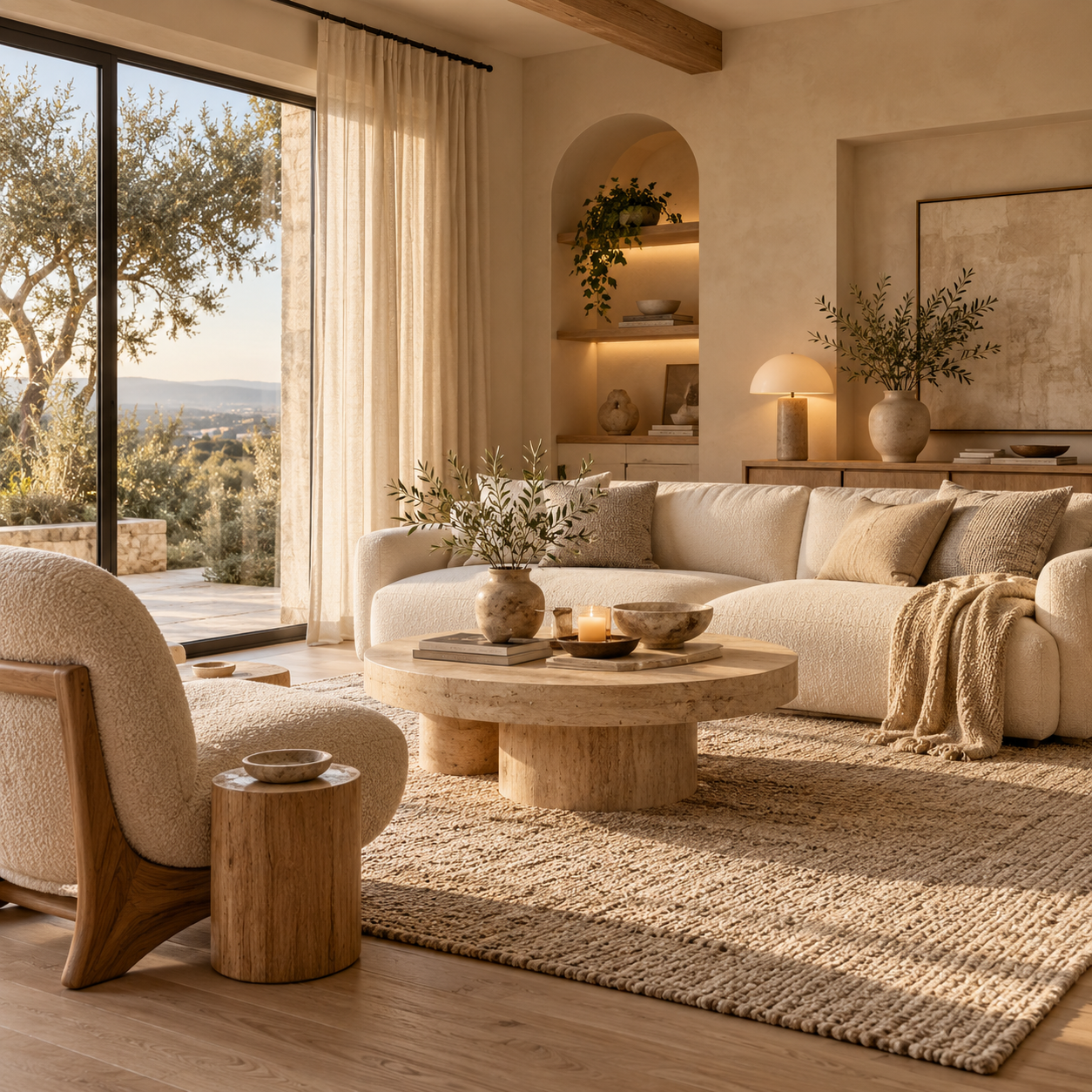
Traditional minimalism is often associated with empty rooms, white walls, sharp furniture, and almost no decoration. While that aesthetic can look sophisticated, it can sometimes feel too cold for everyday living. Cozy minimalism takes a different direction. It keeps the visual calm of minimal design while introducing natural wood, warm neutral colors, soft fabrics, rounded furniture, layered lighting, and subtle decorative details.
The goal is not to decorate every corner. Instead, every item should contribute something meaningful to the room, whether through function, texture, comfort, or visual harmony.
A successful minimalist cozy home should feel spacious without feeling empty, simple without appearing unfinished, and sophisticated without becoming formal. 🏡
Below are three of the most effective approaches for creating Minimalist Cozy Interiors that feel timeless, comfortable, and visually beautiful.
🥇 Best 1 Minimalist Cozy Interiors With Warm Neutral Layers
One of the easiest ways to make minimalist rooms feel more comfortable is to build the entire interior around warm neutral tones. Instead of relying on pure white and cool gray, introduce softer shades such as cream, oatmeal, warm beige, mushroom, sand, greige, taupe, and muted caramel.
These colors maintain the calm appearance associated with minimalism, but they create a much warmer emotional atmosphere.
A living room, for example, could begin with warm ivory walls rather than stark white paint. Add a light beige sofa, a textured wool rug, a natural oak coffee table, and curtains made from softly woven linen. None of these elements needs to be visually dramatic.
Together, however, they create layers that prevent the room from feeling flat.


Why Warm Neutrals Work So Well in Minimalist Cozy Interiors
Minimalist interiors depend heavily on visual simplicity. Because there are fewer objects in the room, color becomes especially important.
If every surface is pure white, the room may feel bright and clean, but it can also appear sterile. Warm neutrals soften this effect.
A cream wall reflects light differently than a bright white wall. Beige fabrics introduce subtle warmth. Natural wooden furniture adds earthy depth.
These small differences create a sophisticated layered effect without making the space look busy.
Another advantage is flexibility. Warm neutral rooms work well with many different architectural styles, including modern apartments, Scandinavian homes, contemporary houses, Japandi interiors, and renovated traditional spaces.
They also provide a calming background for seasonal decorations.
During autumn, warm neutral interiors pair beautifully with rust, olive, and brown accents. During winter, wool blankets, candles, and darker wood can add extra warmth. During spring and summer, light linen fabrics and fresh greenery can brighten the same space.
Build a Soft Tonal Color Palette
The secret is not choosing one beige color and using it everywhere. Instead, create subtle variation.
Consider combining:
- warm ivory walls
- cream upholstery
- oatmeal rugs
- light oak furniture
- greige curtains
- mushroom-colored cushions
- soft brown ceramics
Because all these colors belong to a similar warm family, they create harmony without looking identical.
The small differences in tone make the interior feel layered and sophisticated.
🎨 A useful approach is to choose three main neutral shades and repeat them throughout the room. This repetition creates visual consistency while preventing the space from feeling monotonous.
Add Texture Instead of Strong Color
In minimalist interiors, texture often replaces decoration.
Instead of adding many colorful accessories, use different surfaces to make the room visually interesting.
For example, imagine a simple beige sofa. On its own, it may look plain. Add a chunky wool throw, a linen cushion, a boucle accent pillow, and a woven rug underneath.
The color palette remains quiet, but the room suddenly feels much richer.
Useful textures include:
- linen
- wool
- boucle
- natural cotton
- jute
- woven baskets
- unfinished wood
- brushed stone
- matte ceramics
The key is subtle contrast.
A smooth plaster wall beside a rough woven rug creates dimension. A polished stone table next to a soft fabric sofa creates another type of contrast.
These relationships make minimalist rooms feel intentional rather than empty.
Keep Large Furniture Simple
Large furniture should remain visually calm.
Choose sofas with clean silhouettes, but avoid extremely sharp designs that feel overly formal. Rounded corners, gently curved arms, and deeper seats often work better for cozy interiors.
The same principle applies to chairs, tables, cabinets, and beds.
Minimalist furniture should not demand attention through ornamentation. Instead, it should contribute through proportion, material, and comfort.
A beautifully shaped wooden dining table can become a focal point without requiring decorative carving or elaborate details.
Likewise, a low-profile upholstered bed can make a bedroom feel luxurious through softness rather than decoration.
Introduce Softly Rounded Shapes
Strict geometric lines are common in modern minimalism, but too many hard angles can make rooms feel rigid.
Rounded forms create a more inviting atmosphere.
Consider adding:
- a round coffee table
- curved accent chairs
- an arched mirror
- globe-shaped lamps
- softly rounded ceramic vases
- oval side tables
You do not need every piece to be curved.
Instead, use a few rounded elements to soften the architectural lines of the room.
This combination of clean structure and gentle curves is especially effective in Minimalist Cozy Interiors because it keeps the design modern while making it feel more human and approachable.
🥈 Best 2 Minimalist Cozy Interiors With Natural Materials and Organic Details
Natural materials are one of the strongest elements of cozy minimalism.
Wood, stone, linen, clay, wool, rattan, and ceramic instantly introduce warmth because they connect the interior with nature.
Unlike highly polished synthetic surfaces, natural materials usually contain slight variations in color, texture, and grain.
Those imperfections create visual character.
A wooden dining table may contain visible grain patterns. A handmade ceramic bowl may have a slightly irregular surface. A linen curtain may develop natural folds.
These details make minimalist spaces feel lived-in rather than showroom-perfect.

Use Wood as the Main Warming Element
Wood is particularly effective because it provides both visual and physical warmth.
Light oak is popular in Scandinavian and Japandi interiors because it feels clean and contemporary. Walnut adds deeper sophistication. Reclaimed wood introduces more texture and character.
The type of wood matters less than maintaining consistency.
If possible, choose one dominant wood tone and repeat it throughout the room.
For example, a living area might include:
- light oak shelving
- an oak coffee table
- wooden picture frames
- matching side tables
Repeating the material makes the interior feel coordinated.
🌿 Avoid introducing too many competing wood colors. A room containing pale oak, orange pine, dark walnut, and reddish mahogany may begin to feel visually fragmented.
Two related wood tones are usually enough.
Add Stone Without Making the Space Feel Cold
Stone can appear cold in some interiors, but when combined with warm fabrics and wood, it becomes an elegant natural element.
Travertine is especially suitable for cozy minimalist spaces because its beige tones feel soft and organic.
A small travertine side table, stone console, or limestone coffee table can add a quiet sense of luxury.
Matte stone surfaces tend to feel more relaxed than highly polished marble.
If real stone is outside the budget, high-quality ceramic or composite materials with subtle stone textures can create a similar visual effect.
The objective is not to make the room look expensive. The goal is to introduce a natural surface that adds depth.
Bring Nature Indoors Through Greenery
Plants are especially useful in minimalist rooms because they provide visual life without requiring many decorative objects.
One large plant can often be more effective than several small ones.
For example, a tall olive tree in a simple ceramic planter can soften an empty corner while maintaining the clean aesthetic.
Other suitable options include:
- rubber plants
- fiddle leaf figs
- monstera
- snake plants
- simple branches
- eucalyptus stems
- seasonal greenery
Keep the containers simple.
Matte ceramic pots, stone planters, and woven baskets usually work better than brightly colored decorative pots.
Minimalist styling works best when the greenery itself becomes the decoration.
Use Handmade Elements Carefully
Cozy minimalism benefits from a few objects that feel handmade.
A small ceramic vase, woven basket, wooden bowl, or handcrafted lamp can introduce personality without creating clutter.
However, restraint remains important.
Instead of filling an entire shelf with decorative objects, choose two or three pieces and give them space.
Negative space allows each object to become more noticeable.
This technique is especially useful for shelves, console tables, sideboards, and coffee tables.
Imagine a long wooden sideboard with only three items: a ceramic lamp, a small stack of books, and a sculptural bowl.
The arrangement feels complete because every object has visual room around it.
Create Organic Contrast
Natural materials work particularly well when different textures are positioned beside one another.
For example:
- smooth plaster with rough wood
- soft linen with natural stone
- woven baskets with polished ceramic
- wool rugs beneath wooden furniture
- cotton bedding beside rattan accessories
These combinations create quiet visual tension.
The room remains neutral, but it never feels dull.
This is one of the most important principles of cozy minimalism: interest should come from materials rather than excessive decoration.
Important Note: Minimalist cozy design should never require removing everything you personally enjoy. The goal is intentional simplicity, not creating an empty showroom. Keep meaningful objects, but give them enough breathing room so they can become part of the design instead of visual clutter.
🥉 Best 3 Minimalist Cozy Interiors With Layered Lighting and Relaxing Corners
Lighting can completely change how a minimalist room feels.
Even beautifully designed interiors can feel uncomfortable when the lighting is too bright, too white, or too concentrated in one overhead fixture.
Cozy interiors usually rely on several smaller light sources instead.
This approach is called layered lighting.
Rather than depending only on one ceiling light, combine ceiling fixtures, floor lamps, table lamps, wall lights, candles, and natural daylight.
Each layer creates a different atmosphere.

Start With Natural Daylight
Natural light should remain the foundation whenever possible.
Avoid blocking windows with heavy furniture or extremely dark curtains.
Instead, use sheer curtains, lightweight linen panels, or simple blinds that allow daylight to enter while maintaining privacy.
Soft natural light emphasizes texture.
It reveals the grain in wooden furniture, the weave in linen curtains, and subtle variations in plaster walls.
This is especially important in Minimalist Cozy Interiors because the design depends heavily on material details.
A room with few objects looks much richer when natural light gently highlights each surface.
Use Warm Evening Lighting
When evening arrives, warm artificial lighting should replace natural daylight.
Choose bulbs with warmer color temperatures rather than bright blue-white light.
Table lamps with fabric shades are especially effective because the shade softens the light.
Floor lamps positioned beside sofas or reading chairs create comfortable pools of illumination.
Wall sconces can provide subtle background lighting.
Candles or small rechargeable lamps can add additional atmosphere when needed.
🕯️ Instead of trying to illuminate every corner equally, allow some areas of the room to remain slightly darker.
This creates depth and makes illuminated areas feel more intimate.
Create a Cozy Reading Corner
A reading corner is one of the simplest ways to make a minimalist room feel personal.
You do not need a separate room.
A small unused corner can become a comfortable retreat with only a few elements.
Start with a supportive chair. Add a small side table, a floor lamp, and perhaps one soft throw blanket.
A small rug can visually define the area.
That may be enough.
Avoid adding unnecessary shelves, decorations, or furniture.
The comfort comes from proportion, lighting, and texture rather than quantity.
A large upholstered chair in cream boucle, for example, can create an inviting focal point beside a warm wooden side table.
Place a ceramic mug, one book, and a softly glowing lamp nearby.
The arrangement feels cozy because every element supports the same purpose.
Make Bedrooms Visually Quiet
Bedrooms benefit greatly from minimalist cozy design because reducing visual clutter can make the space feel more restful.
Begin with simple bedding in soft neutral colors.
Layer different materials rather than introducing many patterns.
A bed might include:
- crisp cotton sheets
- a linen duvet cover
- two soft pillows
- one textured lumbar cushion
- a lightweight wool throw
This combination creates visual richness while keeping the bed calm.
Choose simple bedside tables and warm lamps.
Hide cables whenever possible.
Instead of placing many objects on the bedside table, keep only a few essentials.
A small book, lamp, ceramic dish, and glass of water may be enough.
The surrounding empty space creates a more peaceful atmosphere.
Design Quiet Empty Areas
One overlooked principle of minimalism is allowing parts of the room to remain intentionally empty.
Not every wall needs artwork.
Not every corner needs furniture.
Not every shelf needs decoration.
Empty space gives the eye somewhere to rest.
It also makes the objects that remain feel more significant.
For example, a single large artwork above a sofa can have more impact than a crowded gallery wall.
A single ceramic vase on a dining table can feel more elegant than multiple decorative arrangements.
Minimalist interiors become cozy when this empty space is balanced with warm materials and comfortable textures.
Best 3 Minimalist Cozy Interiors Style Comparison
Each of the three approaches creates warmth in a slightly different way.
| Minimalist Cozy Interior Style | Main Feature | Best Materials | Ideal Color Palette | Best For |
|---|---|---|---|---|
| 🥇 Warm Neutral Layers | Tonal softness and texture | Linen, wool, boucle, oak | Cream, beige, greige, taupe | Living rooms and bedrooms |
| 🥈 Natural Organic Materials | Connection with nature | Wood, stone, clay, ceramic | Sand, brown, ivory, muted green | Dining rooms and open spaces |
| 🥉 Layered Lighting and Cozy Corners | Atmosphere and relaxation | Fabric shades, soft upholstery, wood | Warm white, beige, caramel | Reading areas and bedrooms |
These approaches can also be combined.
For example, a living room could use a warm neutral palette as its foundation, natural wood and stone for texture, and layered lighting to create atmosphere.
In fact, the most successful minimalist cozy homes often blend all three ideas.
How to Keep Minimalist Cozy Interiors From Looking Empty
One of the biggest concerns people have about minimalism is that their home will look unfinished.
This usually happens when minimalism is interpreted simply as removing furniture and decoration.
True minimalist design is more intentional.
Instead of asking, “What can be removed?” it is often more useful to ask, “What deserves to stay?”
Every piece should contribute to the room.
A sofa provides comfort.
A lamp provides light and atmosphere.
A rug defines the seating area.
Artwork introduces personality.
A plant adds organic shape.
When each object has a clear role, fewer objects are needed.
Increase Scale Instead of Quantity
If a wall feels empty, you do not necessarily need several decorations.
One larger artwork may solve the problem.
If a corner feels unfinished, one tall plant may be better than three small pieces of furniture.
Large elements create visual confidence.
Small objects often create clutter.
This is why many successful minimalist rooms contain fewer but larger decorative pieces.
Repeat Materials Throughout the Room
Repetition creates cohesion.
If natural oak appears on the coffee table, introduce the same tone in a picture frame or side table.
If linen appears on the curtains, consider using linen cushions.
If matte black metal appears on a lamp, repeat it subtly in furniture hardware.
These repeated details make the design feel planned.
Minimalist Cozy Interiors for Small Spaces
Minimalist cozy design works exceptionally well in small homes and apartments.
Because the aesthetic prioritizes fewer items, rooms naturally feel more open.
The challenge is maintaining comfort without overcrowding the space.
Start by choosing furniture with appropriate proportions.
Oversized sofas and heavy storage cabinets can overwhelm small rooms.
Instead, consider furniture with visible legs, compact silhouettes, and multifunctional designs.
A storage bench can provide seating while hiding clutter.
A nesting table can replace several side tables.
Wall-mounted shelving can provide storage without occupying floor space.
Use Vertical Space
Tall shelves and cabinets use height instead of valuable floor area.
However, avoid filling every shelf.
Leave some shelves partially empty.
This creates visual breathing room.
In bedrooms, tall wardrobes can reduce the need for additional storage furniture.
In kitchens, cabinets extending toward the ceiling create a clean integrated look.
Keep Floors Visually Open
Visible floor space makes small rooms feel larger.
Furniture with raised legs can help.
Floating vanities, wall-mounted cabinets, and slim console tables are especially useful.
A large rug can unify the room rather than dividing it into many smaller visual areas.
This creates a calmer, more spacious appearance.
Cozy Minimalism Through Seasonal Changes
One advantage of Minimalist Cozy Interiors is that they adapt easily to different seasons.
Because the base palette remains simple, seasonal changes can be introduced through small details.
During autumn, add heavier throws, warm brown cushions, dried branches, and amber lighting.
During winter, introduce thicker wool fabrics, candles, and darker wood tones.
Spring can bring lighter textiles, fresh flowers, and soft green accents.
Summer works beautifully with linen, woven materials, pale wood, and minimal decorations.
The foundation of the room never needs to change dramatically.
Only a few accessories need to rotate.
This makes cozy minimalism both practical and sustainable.
Common Mistakes When Creating Minimalist Cozy Interiors
Even simple interiors require careful planning.
One common mistake is choosing only white furniture and white walls.
Without texture or contrast, the space can appear flat.
Another mistake is removing too many personal objects.
Minimalism should reduce visual noise, but the home should still reflect the people living there.
A meaningful artwork, family photograph, favorite book, or handmade object can add personality.
Overdecorating is the opposite problem.
Once people begin trying to make minimalist rooms cozy, they sometimes introduce too many cushions, baskets, candles, blankets, and decorative objects.
The result can quickly shift from calm to cluttered.
The best strategy is to add elements gradually.
Place one object, observe the room, and only add another if it improves the composition.
Final Thoughts on the Best 3 Minimalist Cozy Interiors Ideas
Minimalist Cozy Interiors are not about living with as little as possible. They are about creating rooms where every element feels deliberate.
🥇 Warm Neutral Layers are ideal for creating immediate softness. Cream, beige, greige, wool, linen, and boucle can transform simple modern rooms into comfortable spaces.
🥈 Natural Materials and Organic Details introduce warmth through wood, stone, ceramic, greenery, and handcrafted surfaces. These materials keep minimalism connected to nature and prevent interiors from feeling overly polished.
🥉 Layered Lighting and Relaxing Corners complete the atmosphere. Warm lamps, soft daylight, intimate reading spaces, and intentionally quiet areas make the home feel genuinely comfortable.
The strongest interiors combine all three approaches.
Start with a calm neutral palette. Add natural materials. Introduce tactile fabrics. Choose furniture with simple forms. Allow empty space to remain visible. Finally, create warm layers of light.
The finished home should feel peaceful rather than sparse, beautiful rather than decorative, and cozy without becoming cluttered.
That balance is what makes minimalist cozy design so appealing.
A well-designed minimalist home does not need dozens of objects to feel welcoming. Sometimes a comfortable chair, soft lamp, textured rug, warm wood table, and a few carefully chosen details are enough to turn a quiet room into a place that feels genuinely special.
Related posts:
Best 3 Cozy Reading Chairs That Make Any Corner Feel Like Your Favorite Escape
Best 3 Wainscoting and Beadboard Styles That Instantly Make Any Room Look More Expensive

Best 3 Thanksgiving Table Ideas That Will Make Your Holiday Dinner Look Unforgettable

Best 3 Christmas Tree Ideas 2026 Everyone Will Want to Copy This Holiday Season

Best 3 Practical Magic House Ideas That Make Any Home Feel Enchanted

Top 3 Ganpati Decoration at Home Ideas That Will Make Your Celebration Look Absolutely Stunning

