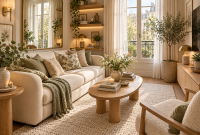
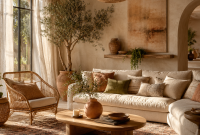
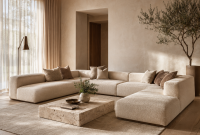
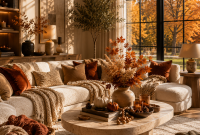
A beautiful living room is more than a place to arrange furniture. It is where everyday comfort meets personal style, where quiet mornings feel peaceful, and where evenings become more relaxing. The best Cozy Living Room Inspo Ideas can transform even an ordinary space into a warm, welcoming retreat filled with inviting textures, thoughtful details, and timeless charm.
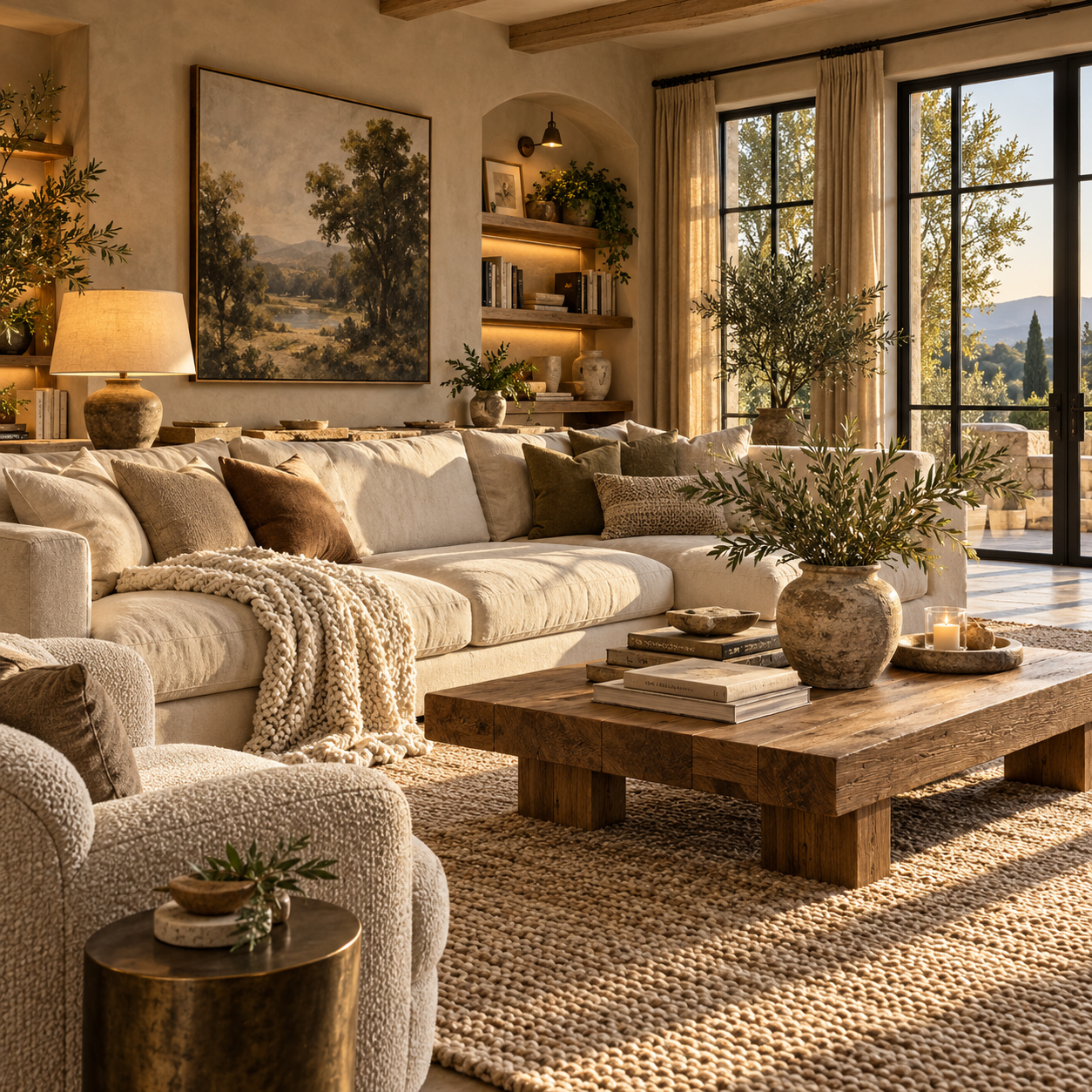
Creating a cozy atmosphere does not necessarily require expensive furniture, major renovations, or an oversized living room. Sometimes, the most remarkable transformations come from simple changes, such as introducing softer lighting, mixing natural materials, choosing comfortable seating, and decorating with warm, harmonious colors.
The secret is finding the right balance between beauty and comfort. A living room should look inspiring in photographs while remaining practical enough for everyday living. From plush sofas and elegant decorative accents to natural textures and intimate seating arrangements, every design decision can contribute to a more inviting interior.
Whether the goal is a sophisticated modern space, a naturally inspired retreat, or a charming room filled with layered textiles, these Best 3 Cozy Living Room Inspo Ideas offer three distinctive approaches to making a home feel more comfortable, stylish, and welcoming.
Why Cozy Living Room Inspo Ideas Are Perfect for Creating a Beautiful Home 🏡
Cozy living rooms have an enduring appeal because they prioritize emotional comfort alongside visual beauty. While interior design trends constantly change, the desire for a peaceful, attractive space where people can unwind remains timeless.
A cozy living room often feels welcoming from the moment someone enters. Soft materials, comfortable seating, warm lighting, and carefully selected colors work together to create a relaxing environment. Instead of appearing overly formal or intentionally staged, the room feels natural, balanced, and genuinely lived in.
Modern cozy interiors are particularly appealing because they combine contemporary simplicity with traditional warmth. Clean furniture silhouettes can sit alongside textured throws, vintage-inspired accessories, woven baskets, and natural wooden surfaces without making the space feel cluttered.
Another advantage of cozy decorating is its flexibility. The same fundamental principles work in small apartments, spacious family homes, minimalist interiors, and traditional houses. Personal preferences determine whether the finished room leans toward Scandinavian simplicity, modern organic design, or romantic cottage-inspired comfort.
A thoughtfully designed cozy living room also supports different activities throughout the day. It can provide a comfortable setting for reading, conversation, watching movies, enjoying coffee, or simply relaxing after a busy afternoon.
Rather than following every passing decorating trend, the most successful cozy interiors focus on creating an atmosphere that feels beautiful and comfortable over time.
🥇 Best 1 Cozy Living Room Inspo Ideas With Warm Neutral Layers and Soft Textures
One of the most elegant ways to create a cozy living room is by building the entire design around warm neutral colors and carefully layered textures. This approach is ideal for anyone who loves a sophisticated atmosphere without sacrificing comfort.
Warm neutral interiors feel peaceful because their colors complement one another without creating excessive visual contrast. Instead of relying on dramatic patterns or bright accent shades, the design develops richness through subtle variations in fabric, furniture, lighting, and decorative materials.
The result is a room that feels calm, luxurious, welcoming, and effortlessly stylish.
Build a Beautiful Foundation With Warm Neutral Colors
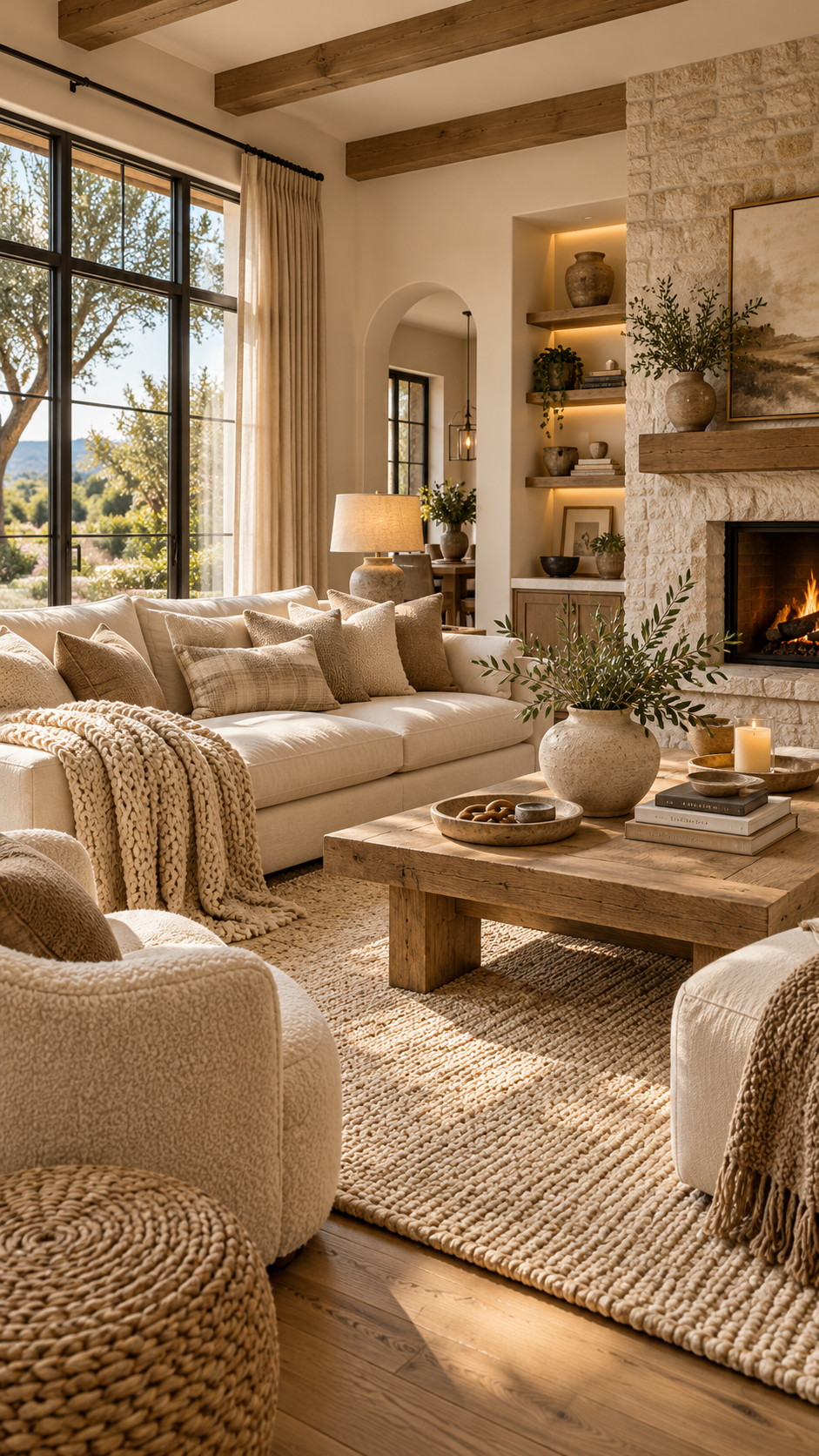
The first step in this cozy living room design is choosing a soothing color palette. Warm ivory, creamy white, mushroom beige, soft taupe, oatmeal, sand, and muted greige provide an excellent foundation.
These colors work particularly well because they create a gentle transition between walls, furniture, textiles, and architectural details. A cream sofa against warm beige walls, for example, offers subtle contrast while maintaining a harmonious appearance.
Rather than decorating everything in exactly the same shade, combine several related tones. An ivory sofa might look beautiful with caramel cushions, a taupe area rug, natural oak furniture, and beige curtains.
This layered color approach prevents a neutral living room from looking flat or unfinished.
Natural light also plays an important role. Warm neutral colors often appear especially inviting when illuminated by soft daylight, allowing the room’s subtle textures and color variations to become more noticeable.
For an additional touch of elegance, introduce small accents of antique brass, dark bronze, or muted charcoal. These details provide enough contrast to define the room without overwhelming its peaceful atmosphere.
Make the Sofa the Center of Everyday Comfort
A comfortable sofa is usually the most important element in a cozy living room.
Choose a design with generous cushions, inviting proportions, and upholstery that feels pleasant to the touch. A softly structured sofa upholstered in linen-blend fabric, chenille, or another durable textured material can look refined while providing excellent everyday comfort.
Oversized seating creates an especially relaxed atmosphere, although the sofa should still fit comfortably within the room.
For a smaller living space, a compact sofa with rounded edges and slightly elevated legs can provide a softer appearance without making the interior feel crowded.
Decorative cushions can further enhance the inviting quality of the seating area. Combine pillows in different sizes and fabrics rather than choosing an identical matching set.
A few cushions in oatmeal linen, a subtle woven fabric, and a soft velvet finish can add visual interest while maintaining the neutral color palette.
Complete the arrangement with a casually draped throw blanket in cream, caramel, or warm gray.
The goal is not to cover the sofa with accessories but to make it look comfortable enough to enjoy immediately.
Create Depth With Layered Rugs and Natural Textiles
Textiles are essential to the success of warm neutral living room designs.
An area rug helps establish the seating zone while softening the appearance of hard flooring. A plush wool rug, textured flatweave, or low-pile neutral carpet can provide a comfortable foundation beneath the main furniture arrangement.
For a more layered look, consider combining a large, durable neutral rug with a smaller textured accent rug where the arrangement and floor safety allow.
Curtains also influence the atmosphere significantly.
Floor-length linen curtains in ivory, oatmeal, or warm beige can soften window frames and create a graceful transition between the architecture and furnishings.
When privacy and light control are important, pair decorative curtains with practical window treatments rather than relying on thin fabric alone.
Other textiles might include an upholstered ottoman, a fabric-covered accent chair, or a carefully selected collection of cushions.
The secret is using different textures to create richness while keeping the overall color scheme cohesive.
Finish the Room With Soft Lighting and Minimal Decor
Lighting has the power to transform a neutral living room from ordinary to exceptionally inviting.
Instead of depending entirely on a bright overhead fixture, introduce several softer light sources throughout the space.
A table lamp beside the sofa, a floor lamp near an accent chair, and subtle ambient lighting can create different levels of brightness for different activities.
Warm white bulbs, often around 2700K, are particularly effective for creating a comfortable residential atmosphere.
Decorative accessories should complement the room rather than compete for attention.
Consider a large ceramic vase, a stack of beautiful books, a wooden tray, a sculptural bowl, or a simple branch arrangement.
A single large piece of artwork above the sofa can establish a focal point without requiring an extensive gallery wall.
✨ Why this idea works: Warm neutral layers create a polished interior that feels visually peaceful while remaining soft, comfortable, and naturally inviting.
🥈 Best 2 Cozy Living Room Inspo Ideas With Natural Wood and Organic Modern Style
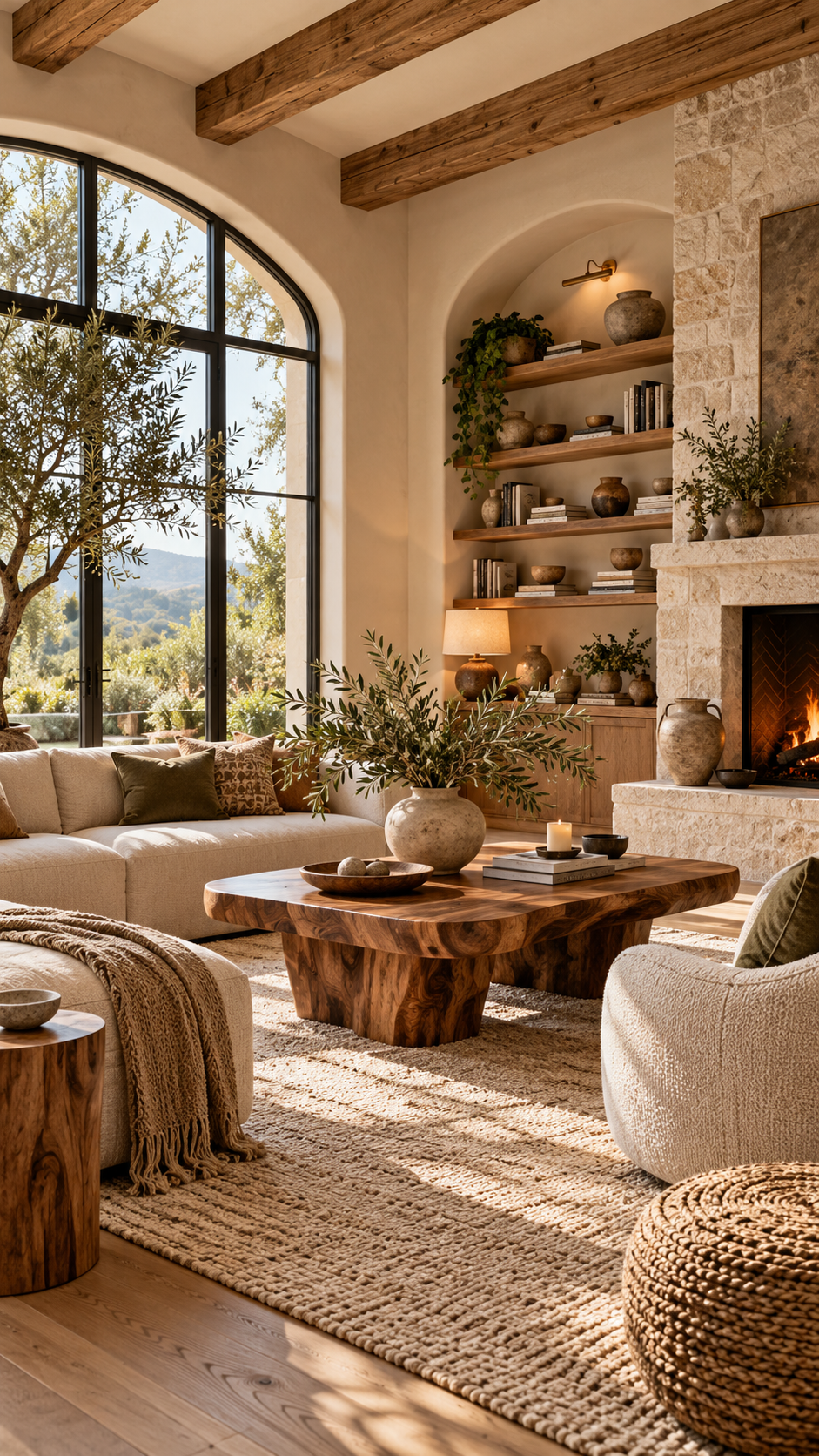
For those who appreciate the warmth of nature combined with contemporary design, an organic modern living room offers a beautiful alternative.
This style celebrates natural materials, relaxed furniture shapes, earthy colors, and thoughtful simplicity. It feels modern without appearing cold and sophisticated without becoming overly formal.
The defining characteristic is the connection between interior design and the natural world.
Wood, stone, woven fibers, botanical accents, and softly curved furniture bring character into the room while establishing a warm and balanced atmosphere.
Introduce Natural Wood as a Major Design Feature
Natural wood is one of the most effective materials for making a living room feel cozy.
Its visible grain, warm coloring, and organic variation add character that smooth synthetic surfaces often lack.
A solid-looking oak coffee table, walnut sideboard, wooden shelving unit, or handcrafted accent chair can become a defining feature of the room.
The wood does not need to be particularly dark or rustic. Light oak, warm ash, medium walnut, and gently weathered finishes can all work beautifully in an organic modern interior.
The important consideration is achieving balance.
If the living room already contains substantial wooden flooring, introduce upholstered furniture, soft rugs, and lighter decorative elements to prevent the room from feeling visually heavy.
Conversely, a room dominated by painted surfaces and contemporary furnishings can benefit from a large wooden coffee table or natural wood storage cabinet.
Mixing wood tones can also create an attractive layered effect.
A light oak coffee table might complement a darker walnut picture frame or a warm brown wooden accent chair, provided the overall combination feels intentional.
Choose Curved Furniture for a Softer Modern Look
Organic modern interiors often favor gentle curves and rounded silhouettes.
These forms can make contemporary furniture feel more approachable and comfortable.
A rounded sofa, oval coffee table, circular side table, or softly curved armchair can create a graceful flow throughout the room.
Curved furniture is especially effective in spaces dominated by straight architectural lines.
For example, a living room with rectangular windows, square doorways, and straight walls can feel softer when furnished with a curved sofa and an oval coffee table.
The contrast between architectural structure and organic furniture shapes adds visual interest without requiring bold colors.
Comfort should remain the priority when choosing seating.
A beautiful curved sofa is only successful if it also provides adequate back support, comfortable seat depth, and enough room for daily use.
A single rounded accent chair can introduce the same visual effect when a larger curved sofa is not practical.
Bring the Outdoors Inside With Natural Decorative Elements 🌿
Botanical elements are an important part of organic modern living room inspiration.
Indoor plants can contribute color, visual texture, and a stronger connection to nature. Their foliage also creates attractive contrast against neutral furniture and natural wood.
A large potted plant beside a window can serve as a beautiful focal point.
Smaller plants can be arranged on shelves or side tables, although the selection should match the available light and the household’s care preferences.
For homes where maintaining live plants is difficult, sculptural branches, dried botanical arrangements, or high-quality artificial greenery can provide a similar decorative effect.
Natural woven materials also deserve attention.
A woven basket for storing blankets, a rattan accent chair, a jute rug, or a textured lampshade can introduce handmade character.
Stone accessories, such as a travertine-inspired tray or a ceramic bowl, complement wooden furniture while adding material variety.
However, avoid introducing too many different natural materials at once.
A carefully edited selection usually creates a more sophisticated look than filling every available surface with decorative objects.
Design an Organic Modern Living Room Around Earthy Colors
An organic modern color palette is inspired by natural landscapes.
Warm beige, clay, olive green, soft brown, terracotta, stone gray, and creamy white create an appealing foundation.
These shades combine particularly well with wooden furniture and natural textiles.
For example, a cream sofa paired with walnut furniture, olive green cushions, and a textured beige rug can feel rich and welcoming without becoming visually overwhelming.
Muted terracotta can be introduced through a ceramic vase, artwork, or an upholstered accent chair.
If a darker contrast is needed, charcoal or black metal details can provide structure in small quantities.
The balance between warm and cool colors should be considered carefully.
Large expanses of cool gray may make an organic living room feel less inviting, especially when combined with harsh lighting. Introducing wood and warmer textiles can help soften the effect.
Create a Relaxing Corner Inspired by Nature
One of the most attractive additions to an organic modern living room is a dedicated relaxation corner.
This can be created with a comfortable accent chair, a small wooden side table, a reading lamp, and a textured rug.
Position the chair near natural light when possible, but avoid locations that cause excessive glare or uncomfortable heat.
Add a soft cushion and a lightweight throw blanket for extra comfort.
A potted plant or simple ceramic vase nearby can complete the atmosphere.
This small arrangement creates an intimate space within the larger living room, making it suitable for reading, enjoying tea, or taking a quiet break.
🌿 Why this idea works: Organic modern design combines the clean elegance of contemporary interiors with the natural warmth of wood, earthy colors, and tactile materials.
🥉 Best 3 Cozy Living Room Inspo Ideas With a Charming Layered Cottage Retreat
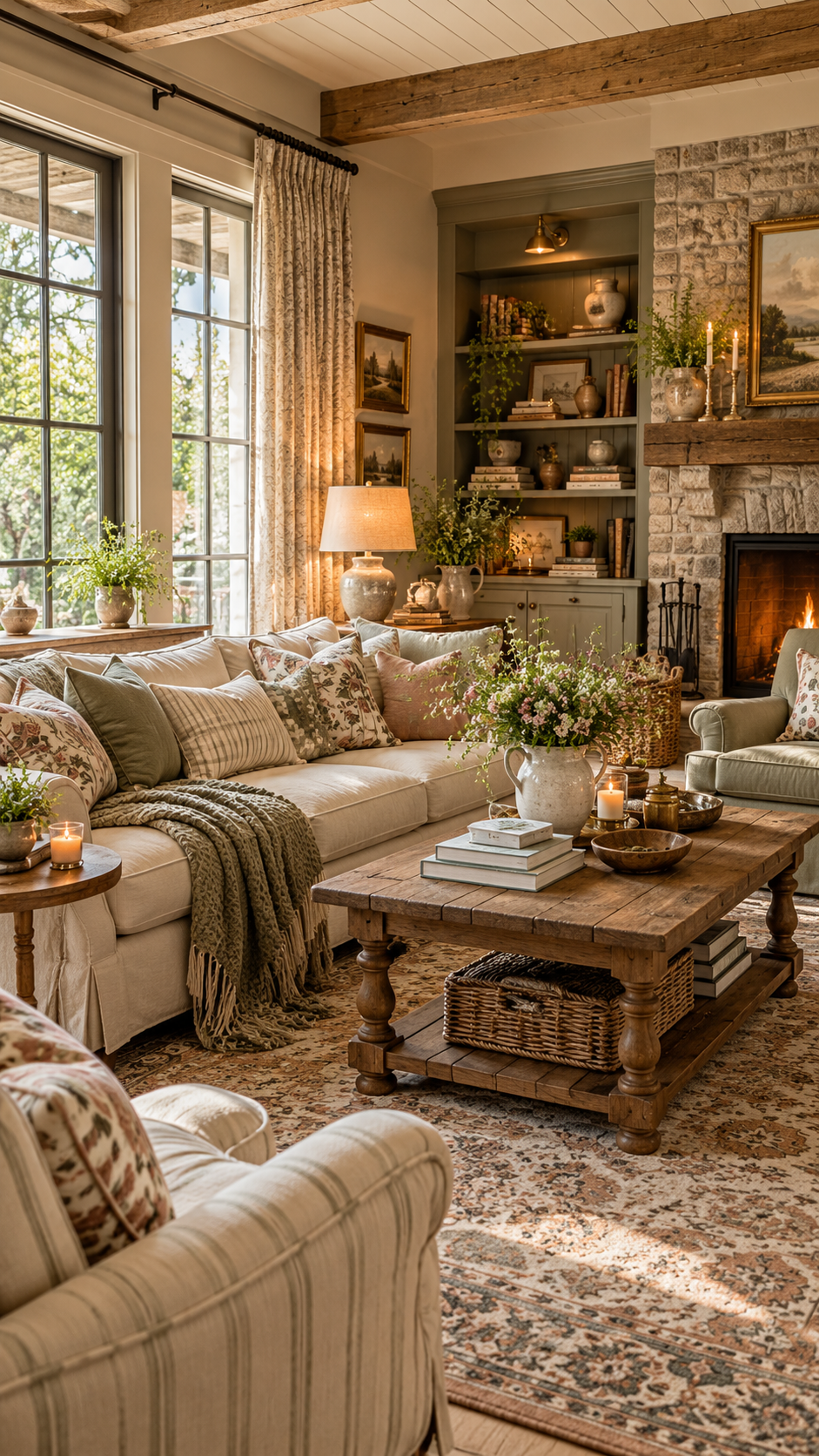
A charming cottage-inspired living room is an excellent choice for anyone who loves spaces filled with warmth, personality, and gentle decorative details.
Unlike minimalist interiors that emphasize restraint, a cozy cottage living room celebrates carefully collected objects, comfortable fabrics, inviting furniture, and a sense of history.
The atmosphere should feel personal rather than perfectly arranged.
A softly upholstered armchair, a vintage-inspired rug, a wooden side table, and a collection of meaningful accessories can create the feeling of a peaceful countryside retreat even in a modern apartment.
The key is introducing character without allowing the room to become cluttered.
Start With Comfortable Furniture That Feels Collected Over Time
Cottage-inspired living rooms often look most beautiful when the furniture does not appear to come from a single matching collection.
A classic linen sofa might sit alongside a wooden coffee table, a gently curved armchair, and a vintage-inspired cabinet.
This combination makes the room feel more individual and naturally developed.
Furniture with soft silhouettes works particularly well.
Consider sofas with rounded arms, armchairs with comfortable cushions, and wooden tables featuring subtle traditional details.
The furniture should communicate everyday comfort rather than formality.
A small upholstered ottoman can provide additional seating or serve as a comfortable place to rest your feet.
If the living room is spacious enough, arranging two chairs around a small central table can create a conversation area separate from the main sofa.
This layered approach makes the room more versatile and welcoming.
Add Vintage Inspired Textiles and Gentle Patterns
Patterns play an important role in cottage decorating.
Unlike a modern neutral living room that often relies on solid colors and texture, cottage-inspired interiors can incorporate delicate florals, understated stripes, checks, and traditional woven designs.
The challenge is combining them successfully.
Begin with one larger patterned element, such as a vintage-inspired area rug or floral accent chair.
Then introduce smaller coordinating patterns through cushions, curtains, or decorative accessories.
A floral cushion in muted sage, dusty rose, and cream might complement a subtle striped pillow and a textured wool throw.
Keeping the colors related helps prevent the room from looking visually chaotic.
Traditional textiles can also add warmth and personality.
Soft linen, cotton, wool, velvet, and knitted fabrics each contribute a different tactile quality.
A gently patterned rug beneath the seating arrangement can make the entire space feel more established and comfortable.
For a more restrained interpretation of cottage style, use patterns sparingly and allow neutral furniture to provide visual balance.
Use Warm Lighting for a Romantic Evening Atmosphere
Lighting is particularly important in cottage-inspired interiors because it creates much of their charm.
Instead of treating lighting purely as a practical necessity, use lamps as decorative features.
A ceramic table lamp with a fabric shade, a traditional floor lamp, or a wall sconce can introduce warm light while contributing to the overall style.
Soft, layered lighting helps create intimate areas within the room.
A lamp near the sofa can illuminate a reading spot, while a smaller light on a sideboard can create a gentle glow across decorative objects.
During the evening, several low-intensity light sources usually feel more relaxing than a single intense ceiling light.
Battery-operated LED candles or other flameless decorative lighting can provide an additional cozy effect without the risks associated with open flames.
Subtle lighting around a bookshelf or display cabinet can also highlight favorite books and collected objects.
🕯️ The final atmosphere should feel warm, peaceful, and inviting rather than excessively dark.
Decorate With Books and Meaningful Personal Details
Cottage-style interiors often gain their charm from objects that appear to have a story.
Books, framed photographs, handmade pottery, vintage-inspired accessories, botanical artwork, and small collections can all contribute to a personal atmosphere.
The secret is arranging these objects thoughtfully.
Instead of spreading decorations evenly across every surface, create small groupings with different heights and textures.
A wooden sideboard might feature a ceramic lamp, a stack of books, and a small vase of flowers.
A coffee table could hold a tray, a decorative bowl, and a favorite book.
Open shelves can display personal collections while leaving enough empty space to prevent visual overcrowding.
Choosing fewer meaningful pieces often creates a stronger effect than filling the room with generic decorations.
Art can also reinforce the cottage atmosphere.
Botanical illustrations, softly colored landscapes, vintage-inspired prints, and simple framed sketches work especially well.
Create a Cozy Cottage Reading Nook
A reading nook is one of the most charming features of a cottage-inspired living room.
Choose a comfortable armchair with generous cushioning and place it beside a window or in a peaceful corner.
A small side table provides space for a book, warm drink, or reading glasses.
Introduce a floor lamp or table lamp that offers enough focused light for comfortable reading.
A soft throw blanket and one supportive cushion can make the chair feel particularly welcoming.
If space allows, a compact bookcase beside the chair creates a natural connection between the seating area and the room’s decorative elements.
The finished reading corner should feel slightly tucked away while remaining visually connected to the rest of the living room.
📚 Why this idea works: Cottage-inspired layering creates warmth through character, gentle patterns, meaningful objects, and exceptionally comfortable furniture.
Comparing the Best 3 Cozy Living Room Inspo Ideas
Although all three decorating approaches create inviting interiors, each offers a different atmosphere.
The following comparison highlights their main characteristics and helps identify which style may be best for a particular home.
| Design Feature | Warm Neutral Layers | Organic Modern Style | Layered Cottage Retreat |
|---|---|---|---|
| Overall atmosphere | Calm and sophisticated | Natural and contemporary | Charming and personal |
| Main colors | Cream, beige, taupe, greige | Earthy brown, olive, sand, clay | Ivory, sage, dusty rose, warm beige |
| Key materials | Linen, wool, velvet, soft upholstery | Wood, stone, woven fibers, cotton | Linen, cotton, wood, vintage textiles |
| Furniture style | Soft and elegant | Curved and sculptural | Comfortable and collected |
| Decorative emphasis | Textures and subtle accents | Natural forms and greenery | Books, patterns, personal collections |
| Lighting approach | Soft ambient layers | Warm architectural and accent lighting | Decorative lamps and intimate lighting |
| Best suited for | Minimalist and elegant homes | Nature-inspired contemporary homes | Traditional and personality-filled interiors |
| Overall impression | Peaceful luxury | Earthy sophistication | Relaxed countryside charm |
The ideal option depends on the existing architecture, available space, preferred colors, and everyday needs.
A modern apartment may naturally complement warm neutral or organic modern furnishings, while a traditional home may provide an especially attractive setting for cottage-inspired details.
However, these styles do not need to remain completely separate.
A neutral living room can incorporate natural wood and botanical accents. An organic modern interior can feature vintage books and comfortable cottage-inspired textiles.
The strongest designs often combine complementary elements while maintaining a clear overall direction.
How to Make Cozy Living Room Inspo Ideas Work in Small Spaces
Creating a cozy atmosphere in a small living room requires thoughtful furniture placement and careful control of visual clutter.
A compact space can become extremely welcoming when every design element serves a purpose.
The goal is not to fit as many decorative objects as possible into the room, but to create comfortable zones while maintaining a sense of openness.
Choose Furniture With the Right Proportions
One of the most common mistakes in small living rooms is choosing furniture that is too large for the available floor area.
An oversized sectional sofa may appear wonderfully comfortable in a showroom but can dominate a compact apartment.
Instead, measure the room carefully and choose seating that allows comfortable movement around the furniture.
A compact sofa, a lightweight accent chair, and a rounded coffee table can provide an attractive arrangement without occupying excessive space.
Furniture with elevated legs can also make the floor appear more visible, giving the room a lighter visual impression.
Avoid filling every corner with additional storage or decorative pieces.
Allowing some open floor area helps the room feel more balanced.
Use Vertical Space Without Overdecorating
Small living rooms benefit from making thoughtful use of wall space.
Floating shelves, tall bookcases, wall-mounted lighting, and vertical artwork can provide function and personality without requiring additional floor space.
A single large artwork may sometimes create a calmer visual effect than numerous small frames.
Wall-mounted lighting can also free up valuable space on side tables.
However, vertical storage should remain organized.
Too many objects displayed on open shelves can make the room feel busier than necessary.
Combining closed storage with a few carefully styled shelves often produces a more attractive result.
Make the Room Feel Larger With Light and Texture
Light colors can help create an open atmosphere, but a cozy small living room does not need to be entirely white.
Cream, warm beige, light taupe, and muted earthy colors can make a compact room feel both welcoming and visually connected.
Mirrors may help reflect available light when positioned thoughtfully.
Choose one appropriately sized mirror rather than using reflective surfaces throughout the room.
Soft curtains can make windows appear more elegant, while a generously sized area rug can visually connect the main seating furniture.
The result is a compact room that feels intentionally designed rather than crowded.
The Best Color Combinations for Cozy Living Room Inspiration 🎨
Color determines much of the emotional character of a living room.
While furniture and decorative objects influence the overall design, the right palette establishes the atmosphere before individual details are even noticed.
A successful cozy color scheme typically combines a dominant foundational shade, one or two supporting colors, and a smaller selection of accents.
Cream and Caramel for Timeless Warmth
Cream and caramel create a classic combination that feels soft, elegant, and welcoming.
Cream walls or upholstery provide brightness, while caramel-colored cushions, throws, leather details, or wooden furniture introduce warmth.
This palette works especially well in living rooms that receive generous daylight.
The contrast is noticeable without becoming dramatic, allowing the room to feel refined and peaceful.
For additional interest, introduce natural oak, antique brass, or subtle ivory textures.
Olive Green and Natural Wood for Earthy Comfort
Olive green complements natural wood beautifully.
This combination is especially appealing for organic modern interiors because it reflects the colors found in natural landscapes.
Olive cushions, an upholstered accent chair, or a muted green feature wall can create depth without overwhelming the space.
Balance darker green tones with cream upholstery, neutral curtains, and soft lighting.
Wooden coffee tables and sideboards help connect the colors into one harmonious design.
Mushroom Taupe and Warm White for Quiet Luxury
Mushroom taupe offers a sophisticated alternative to traditional beige or cool gray.
Its soft brown-gray undertones can create a refined atmosphere, particularly when combined with warm white walls and textured fabrics.
A taupe sofa paired with ivory cushions, a cream rug, and dark wooden furniture can feel understated yet luxurious.
Small black or bronze accents provide definition, while layered lighting helps maintain warmth during the evening.
This palette works particularly well for homeowners who prefer a minimalist but comfortable interior.
Dusty Rose and Warm Beige for Cottage Charm
Dusty rose can bring gentle color to a living room without making the design feel excessively bright.
When combined with warm beige, ivory, and natural wood, it creates a soft, romantic atmosphere.
Introduce dusty rose through cushions, floral artwork, an accent chair, or patterned textiles.
Keep larger furniture pieces relatively neutral so the room remains balanced.
A small amount of sage green can provide complementary contrast and reinforce the cottage-inspired character.
Cozy Living Room Lighting Ideas That Instantly Change the Atmosphere
A beautiful living room can lose much of its charm when the lighting is poorly planned.
Lighting affects color perception, visual comfort, and the way decorative materials appear throughout the day.
Successful cozy living room lighting typically involves three complementary layers: ambient lighting, task lighting, and accent lighting.
Ambient lighting provides the room’s general illumination.
Task lighting supports activities such as reading, working, or completing detailed tasks.
Accent lighting highlights architectural features, artwork, plants, or decorative objects.
Combining these layers gives the living room greater flexibility.
During the afternoon, natural daylight may provide most of the illumination. In the evening, table lamps and floor lamps can create a softer environment.
Dimmable fixtures are especially useful because they allow brightness to change according to the activity.
Fabric lampshades can diffuse light beautifully, while concealed LED strips may provide gentle illumination beneath shelves or inside display cabinets.
When selecting bulbs, consider both color temperature and brightness.
Warm light creates a relaxing atmosphere, but adequate illumination is still important for reading and moving safely through the room.
📌 Important Note: A cozy living room should never sacrifice everyday comfort, safety, or functionality for appearance. Keep walkways clear, select stable furniture, position lamps safely, secure tall storage when necessary, and ensure that decorative lighting provides enough visibility for normal activities.
How to Style a Cozy Living Room Coffee Table Beautifully
The coffee table is often located at the visual center of the living room, making it an important styling opportunity.
However, decorating this surface successfully requires restraint.
An overcrowded coffee table can make an otherwise peaceful room appear disorganized.
Begin with one main decorative piece, such as a ceramic bowl, wooden tray, or stack of carefully chosen books.
Add a smaller contrasting object to create visual interest.
For example, a natural oak table might feature a stoneware vase and two beautifully bound books.
A dark wooden coffee table could look elegant with a light ceramic tray and a small botanical arrangement.
Varying the height of accessories helps the composition feel more intentional.
At the same time, leave enough space for everyday activities, including placing drinks, remote controls, or reading materials.
Storage trays can help keep smaller objects organized while maintaining the decorative appearance.
Seasonal changes also provide an opportunity to refresh the coffee table without replacing furniture.
A small arrangement of fresh greenery in spring, warm-toned branches in autumn, or a simple ceramic display during winter can subtly change the atmosphere.
The best coffee table arrangements look attractive but remain genuinely useful.
Affordable Cozy Living Room Inspo Ideas Without Major Renovations
A cozy living room transformation does not need to involve expensive remodeling.
Many effective improvements can be achieved by working with existing furniture and focusing on the details that have the greatest visual impact.
The first step is identifying what already works well.
A comfortable sofa may only need new cushions and a throw blanket. A wooden coffee table may benefit from more thoughtful styling. A bare corner might become inviting with a lamp and a chair already owned.
Rearranging furniture can also make a surprisingly large difference.
Moving seating closer together may create a more intimate conversation area, while repositioning a floor lamp can improve the evening atmosphere.
Replacing harsh light bulbs with suitable warm white alternatives is another relatively accessible improvement.
Textiles often provide excellent decorative value.
New cushion covers, curtains, or a carefully selected area rug can change the room’s mood without requiring a complete redesign.
Secondhand furniture and vintage accessories can also contribute character, especially in cottage-inspired living rooms.
A well-made wooden side table, vintage picture frame, or interesting ceramic lamp may provide more personality than several inexpensive decorative objects purchased together.
Plants can introduce color and texture at a relatively modest cost, provided they are suitable for the room’s light conditions.
Painting an accent wall may also transform the space, particularly when a warm neutral or earthy shade complements the existing furniture.
Before buying additional decorations, remove objects that no longer contribute to the room’s appearance or function.
Sometimes, simplifying the arrangement creates a stronger improvement than purchasing more accessories.
Seasonal Cozy Living Room Decorating Ideas for Year Round Comfort
A well-designed living room should feel welcoming in every season.
The foundational furniture and color palette can remain consistent while smaller decorative elements change throughout the year.
This approach keeps the interior interesting without requiring frequent or expensive redesigns.
Create a Fresh and Airy Cozy Living Room in Spring
Spring is an excellent time to introduce lighter fabrics, fresh greenery, and gentle colors.
Replace heavy winter throws with breathable cotton or linen alternatives.
Soft sage green, warm ivory, and muted floral accents can refresh the room while preserving its cozy character.
A simple arrangement of seasonal flowers can become a beautiful focal point.
Keep the decorative styling relatively light so the room feels open and connected to the brighter season.
Maintain a Relaxed Atmosphere During Summer
Summer decorating often benefits from natural fibers, lighter textiles, and uncomplicated arrangements.
Woven baskets, linen cushions, and wooden furniture create a casual atmosphere.
Choose breathable fabrics and avoid excessive layers if the climate is hot.
A comfortable living room should adapt to the season rather than relying on heavy blankets throughout the year.
Natural greenery and soft neutral colors can maintain visual warmth without making the room feel physically warmer.
Introduce Richer Textures for Autumn 🍂
Autumn offers an ideal opportunity to emphasize the cozy qualities of a living room.
Caramel, rust, muted terracotta, olive green, and deep brown can create a welcoming seasonal palette.
Introduce knitted throws, velvet cushion covers, or textured decorative accessories.
Dried branches and natural ceramic accents work beautifully with warm wooden furniture.
The key is maintaining balance.
A few seasonal accents can create a strong autumn atmosphere without turning the entire living room into an elaborate seasonal display.
Make Winter Even More Comfortable With Layered Warmth
Winter decorating often emphasizes soft fabrics and gentle lighting.
Wool throws, plush cushions, and layered rugs can make seating areas feel especially inviting.
Additional table lamps or subtle decorative LED lighting can help create a warm atmosphere during darker evenings.
Deep olive, chocolate brown, and burgundy accents may complement the existing neutral palette.
Natural greenery, wood accessories, and textured textiles can maintain a cozy winter look even without holiday-specific decorations.
Common Decorating Mistakes That Can Make a Living Room Feel Less Cozy
Even a beautifully furnished living room can feel uncomfortable when certain design details are overlooked.
One common mistake is relying on a single overhead light. This can make the room appear flat and less welcoming, particularly in the evening.
Another issue is selecting furniture based entirely on appearance without considering daily comfort.
A stylish sofa that offers inadequate support or an impractically delicate fabric may not work well for an active household.
Decorative clutter can also undermine a peaceful atmosphere.
When every surface contains numerous accessories, it becomes difficult for the eye to identify a focal point.
Leaving some areas undecorated creates breathing room and allows meaningful objects to stand out.
Choosing an area rug that is too small can visually disconnect the furniture.
A rug should generally be large enough to anchor the main seating arrangement, often with at least the front legs of major seating pieces resting on it.
Ignoring the room’s proportions is another frequent problem.
Furniture that is too large can restrict movement, while pieces that are too small may make the arrangement feel disconnected.
Finally, avoid choosing a color palette without considering the existing flooring, architectural finishes, and available daylight.
Warm beige walls may look different beside cool gray flooring than they do beside natural oak.
Testing colors in the actual room helps ensure that the finished interior feels harmonious.
Final Thoughts on the Best 3 Cozy Living Room Inspo Ideas
The most beautiful cozy living rooms combine thoughtful design with genuine everyday comfort.
The three featured approaches demonstrate how different materials, colors, and decorative styles can create distinctive but equally inviting spaces.
🥇 Warm Neutral Layers and Soft Textures are ideal for creating a calm, elegant living room with understated luxury. Soft upholstery, harmonious colors, layered fabrics, and gentle lighting establish a peaceful atmosphere that remains timeless.
🥈 Natural Wood and Organic Modern Style offer a refreshing combination of contemporary sophistication and earthy warmth. Wooden furniture, sculptural shapes, botanical details, and natural materials help create an interior that feels connected to nature.
🥉 Charming Layered Cottage Retreat brings personality, tradition, and relaxed comfort into the home. Vintage-inspired patterns, inviting armchairs, decorative lamps, books, and meaningful accessories create a room filled with character.
The best choice is not necessarily the most expensive or elaborate design.
A truly successful cozy living room reflects the way its occupants live, relax, and spend time together.
With comfortable furniture, balanced colors, tactile materials, practical lighting, and carefully chosen decorative details, almost any space can become a beautiful retreat.
Ultimately, the most inspiring Cozy Living Room Inspo Ideas are those that turn an ordinary room into a place that feels warm, welcoming, personal, and genuinely wonderful to come home to. 🏡
Related posts:

Best 3 Small Living Room Inspo Ideas That Make Tiny Spaces Look Surprisingly Luxurious
Top 3 Boho Living Room Ideas That Make Any Space Look Effortlessly Stylish
Top 3 Corner Sofa Designs That Make Any Living Room Look Bigger and More Expensive
Best 3 Fall Living Room Decor Ideas Everyone Will Want to Copy This Season
Best 3 Modern Cozy Living Room Ideas That Make Every Home Feel Like a Luxury Retreat
Best 3 Colorful Living Room Ideas That Make Every Home Look Instantly Designer Styled