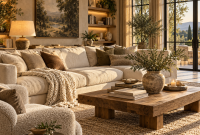
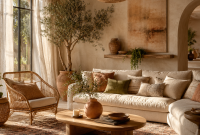
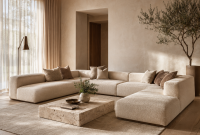
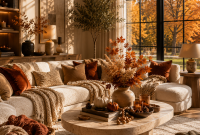
A small living room can be one of the most beautiful and inviting spaces in a home when every detail is thoughtfully designed. The best Small Living Room Inspo Ideas prove that limited square footage does not have to mean sacrificing elegance, comfort, or personality. With clever furniture arrangements, carefully layered textures, harmonious colors, and creative storage solutions, even the tiniest living room can feel surprisingly spacious, stylish, and luxurious.
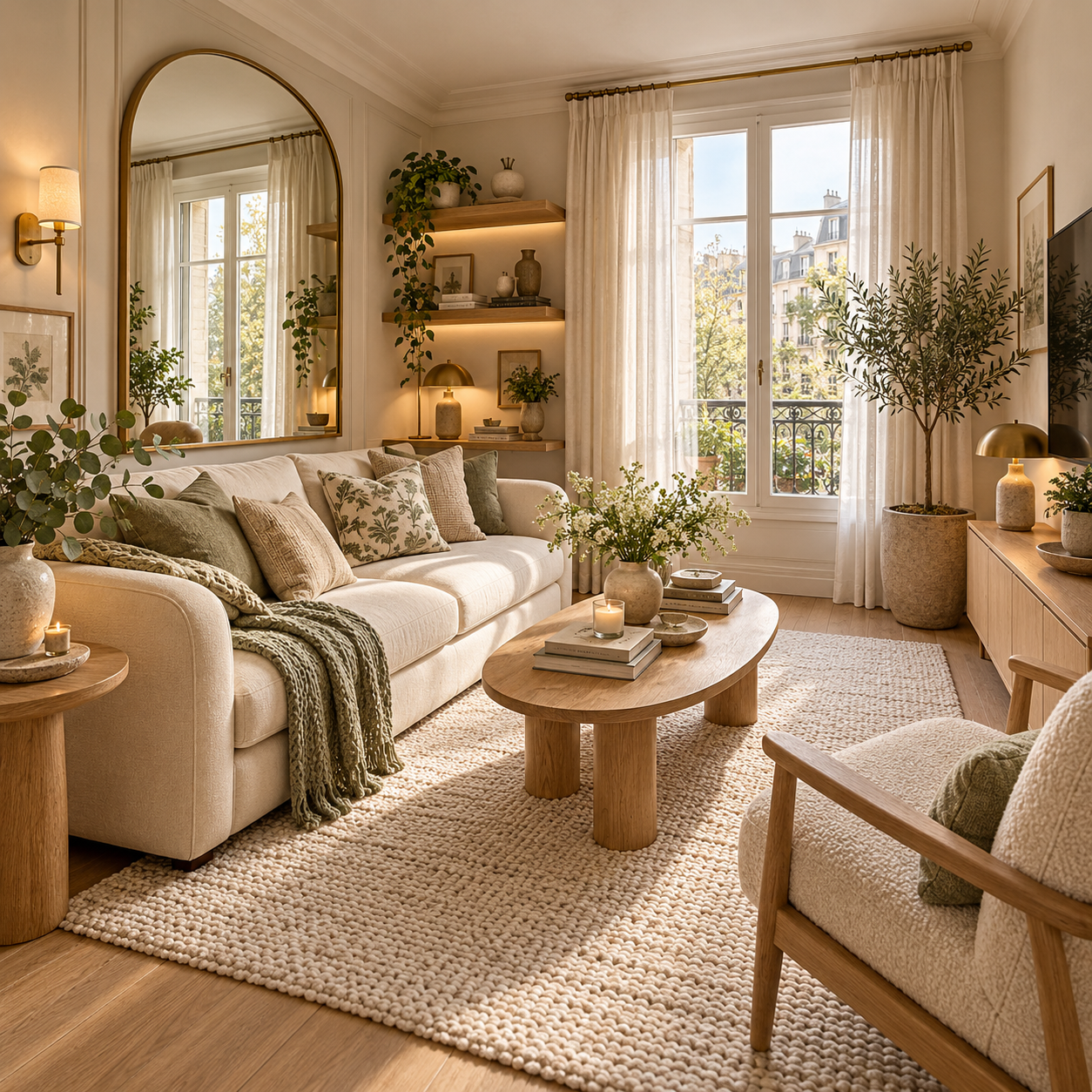
✨ The secret to decorating a small living room is not simply choosing smaller furniture or keeping everything minimal. It is about creating visual balance, giving each element a purpose, and designing a room that feels comfortable without appearing overcrowded. When proportion, lighting, color, and texture work together, a compact living area can become a stunning centerpiece of the home.
Some homeowners love bright Scandinavian interiors with clean lines and natural materials. Others prefer sophisticated modern spaces with beautiful architectural details, while many dream of warm, cozy rooms filled with soft fabrics and charming decorative accents. Fortunately, small living rooms can accommodate all three styles with the right approach.
These Best 3 Small Living Room Inspo Ideas explore three distinctive ways to transform a compact living area into something extraordinary. Each concept combines practical space-saving strategies with inspirational interior design details, helping create a living room that looks beautiful, feels welcoming, and functions effortlessly throughout everyday life.
Why Small Living Room Inspo Ideas Are Transforming Modern Home Design
Small living rooms are increasingly relevant to modern homes, apartments, townhouses, and compact urban residences. Rather than treating limited space as a design disadvantage, contemporary interior design embraces compact proportions as an opportunity to create more intentional, personalized living environments.
A smaller room naturally encourages thoughtful decisions. Furniture must fit comfortably, storage must be efficient, and decorative elements need to contribute to the atmosphere without overwhelming the available space. These considerations often lead to interiors that feel more cohesive than larger rooms filled with unnecessary furniture.
🏡 One of the most attractive characteristics of a well-designed small living room is its sense of intimacy. A compact seating area can feel especially inviting when enhanced by plush cushions, warm lighting, natural materials, and beautiful architectural details.
The strongest small living room designs also make effective use of vertical space. Instead of concentrating every decorative feature at floor level, they incorporate taller curtains, carefully positioned shelving, wall-mounted lighting, and artwork that draws attention upward.
Color plays an equally important role. Soft neutral palettes can visually expand a room, while deeper accent colors add dimension and personality. Natural light, reflective surfaces, and balanced furniture arrangements further enhance the perception of spaciousness.
Ultimately, the best small living room inspiration focuses on creating an environment that feels complete rather than compressed. Every design choice should make the room more comfortable, beautiful, or useful.
Best 3 Small Living Room Inspo Ideas Worth Trying
Three interior design approaches are particularly effective for compact living rooms because they offer distinctly different aesthetics while addressing the same fundamental challenge: making a limited space feel attractive, comfortable, and functional.
| Small Living Room Style | Main Color Palette | Key Design Features | Best For |
|---|---|---|---|
| 🥇 Airy Scandinavian Retreat | Warm ivory, beige, light oak, soft greige | Slim furniture, natural light, floating shelves, minimal accessories | Bright apartments and modern small homes |
| 🥈 Modern Boutique Elegance | Cream, mushroom taupe, charcoal, antique brass | Sculptural furniture, oversized mirrors, refined materials, layered lighting | Sophisticated contemporary interiors |
| 🥉 Cozy Layered Cottage Charm | Oatmeal, muted sage, warm cream, dusty rose | Soft textiles, vintage accents, warm wood, charming details | Comfortable, romantic, character-filled homes |
Each style offers its own interpretation of a beautiful small living room. The Scandinavian concept prioritizes openness and visual calm, the boutique-inspired approach emphasizes sophisticated detailing, and the cottage concept celebrates warmth and personality.
The ideal choice depends on the desired atmosphere, existing architecture, household needs, and available natural light. It is also possible to combine carefully selected elements from different styles to create a more personalized result.
🥇 Best 1 Small Living Room Inspo Ideas With an Airy Scandinavian Retreat
An airy Scandinavian retreat is one of the most effective ways to transform a tiny living room into a space that feels bright, peaceful, and effortlessly stylish. Inspired by Nordic interiors, this concept focuses on simplicity, functional furniture, beautiful natural materials, and an understated color palette.
The appeal of Scandinavian design lies in its ability to make a room feel complete without filling every corner. A compact living room designed around this aesthetic can appear larger because furnishings have clean silhouettes, decorative accessories remain carefully edited, and natural light moves freely throughout the space.
Rather than creating a cold or overly minimalist environment, the goal is to achieve a welcoming atmosphere through comfortable upholstery, gentle textures, warm wood finishes, and carefully selected decorative accents.
Choose a Light Neutral Foundation for a Spacious Feeling
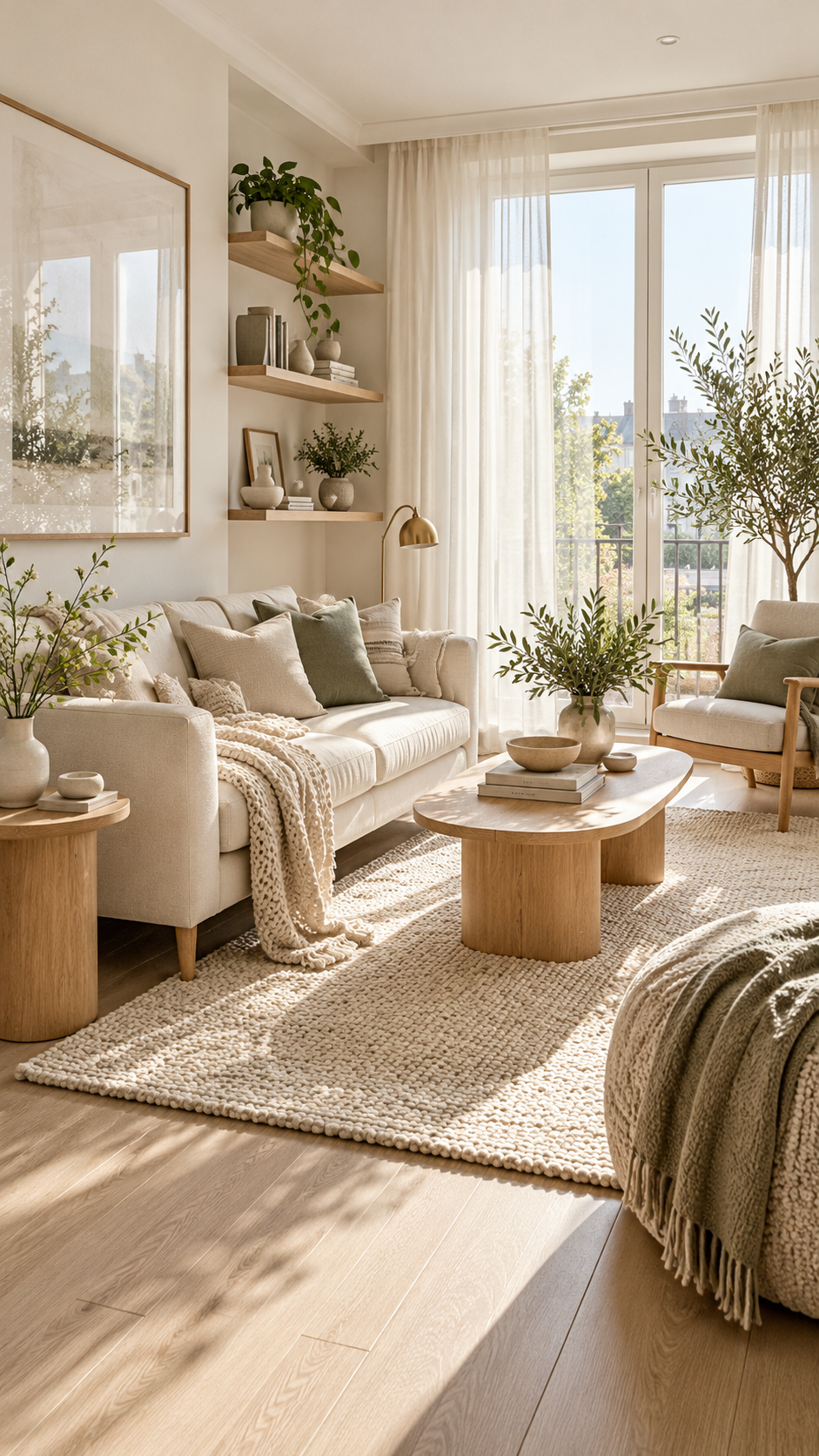
The foundation of a Scandinavian-inspired small living room begins with a light, harmonious color palette. Warm white, soft ivory, oatmeal, pale beige, and subtle greige create a beautiful backdrop that allows furniture and decorative elements to blend naturally.
Walls painted in warm white can reflect daylight and visually soften the boundaries of the room. This effect becomes especially attractive when the ceiling features a similar shade, creating a continuous appearance without strong color interruptions.
Instead of painting every surface stark white, incorporate several closely related neutral tones. A cream sofa against an ivory wall, combined with an oatmeal rug and light oak furniture, creates delicate visual layering.
🌿 Natural wood adds essential warmth to this restrained palette. Light oak coffee tables, ash wood shelving, and simple wooden side tables introduce organic texture without making the room appear visually heavy.
The result is a calm, inviting interior that feels spacious through its consistency rather than relying on an absence of personality.
Select Slim Scandinavian Furniture With Comfortable Proportions
Furniture selection is especially important in a compact Scandinavian living room. Oversized sofas, bulky armchairs, and large storage cabinets can quickly dominate the available floor area, even when their colors are relatively light.
A compact two-seat sofa with narrow arms is often a practical starting point. Raised legs can make the furniture appear lighter because more of the floor remains visible underneath.
Choose upholstery in warm ivory, oatmeal linen, or soft beige. Textured fabrics provide visual interest while maintaining the clean and relaxed aesthetic associated with Nordic interiors.
A small round or oval coffee table works beautifully in front of the sofa. Its softened silhouette improves movement around the seating area and avoids the visual heaviness of a large rectangular table.
🪑 Consider one lightweight accent chair instead of a second large sofa. A modern wooden chair with a woven seat or an upholstered Scandinavian lounge chair can provide additional seating without overwhelming the room.
Every piece should support everyday comfort while preserving an easy flow between the seating area, doorway, and other functional zones.
Maximize Natural Light With Simple Window Treatments
Natural light is one of the most valuable design elements in a small living room. Scandinavian interiors celebrate daylight because it enhances architectural simplicity, reveals natural textures, and makes compact spaces feel more open.
Heavy curtains in dark fabrics can be beautiful in larger rooms, but they may make a small living room feel enclosed. Lightweight linen or linen-look curtains in ivory and soft white create a more relaxed appearance.
Hang curtain rods close to the ceiling when possible, allowing the fabric to extend toward the floor. This vertical emphasis can make the walls seem taller and the room more elegant.
If privacy is necessary, sheer curtains can be combined with discreet roller blinds. This arrangement provides flexibility without adding excessive visual clutter around the window.
A simple mirror positioned where it can reflect daylight or an attractive part of the room can further enhance brightness.
However, the purpose is not to cover every available wall with reflective surfaces. One carefully chosen mirror usually creates a more refined result than several competing decorative pieces.
Incorporate Floating Storage Without Overcrowding the Walls
Small Scandinavian living rooms benefit from storage solutions that preserve as much floor area as possible. Floating shelves, slim wall-mounted cabinets, and compact media consoles can keep everyday belongings organized while contributing to the room’s overall design.
Install a small group of floating wooden shelves above a low cabinet or beside the sofa. Their clean lines create useful storage for books, ceramics, and decorative objects.
Avoid filling every shelf completely. Leaving intentional empty spaces between accessories reinforces the calm appearance of Scandinavian design.
A low floating television console can also be useful because it keeps the floor visible beneath the furniture. Closed storage compartments help conceal electronics, chargers, and miscellaneous items.
📚 Decorative objects should be selected carefully. A ceramic vase, a small collection of books, and one sculptural accent can create a more sophisticated composition than numerous unrelated decorations.
The key is creating storage that appears integrated into the architecture rather than adding multiple large pieces of furniture.
Complete the Scandinavian Look With Soft Natural Textures
A Scandinavian living room should never feel sterile. Soft textiles and natural materials are essential for making this minimalist approach comfortable and emotionally inviting.
Choose a large, understated area rug in cream, oatmeal, or soft greige. Ideally, the rug should extend beneath at least the front legs of the main seating pieces, helping the furniture feel connected.
Layer the sofa with textured cushions in linen, cotton, and wool. Gentle variations in fabric weave add depth without requiring bold patterns.
A lightweight knitted throw draped over one arm of the sofa provides additional warmth and an effortless sense of comfort.
🌱 Finish the room with a small amount of greenery. One elegant indoor plant in a neutral ceramic planter can introduce freshness and organic movement.
A Scandinavian retreat becomes especially beautiful when the materials feel authentic, the colors remain balanced, and every decorative element has enough space to be appreciated.
🥈 Best 2 Small Living Room Inspo Ideas With Modern Boutique Elegance
A modern boutique-inspired living room demonstrates that small interiors can feel luxurious without requiring expensive renovations or oversized furniture.
Inspired by beautifully designed boutique hotels and sophisticated contemporary apartments, this approach emphasizes polished finishes, sculptural silhouettes, elegant lighting, and thoughtful material combinations.
The atmosphere should feel refined but comfortable. Instead of filling the room with glamorous accessories, the design relies on a few visually striking elements supported by a harmonious background.
A small room can actually benefit from this approach because its limited dimensions make carefully chosen details more noticeable.
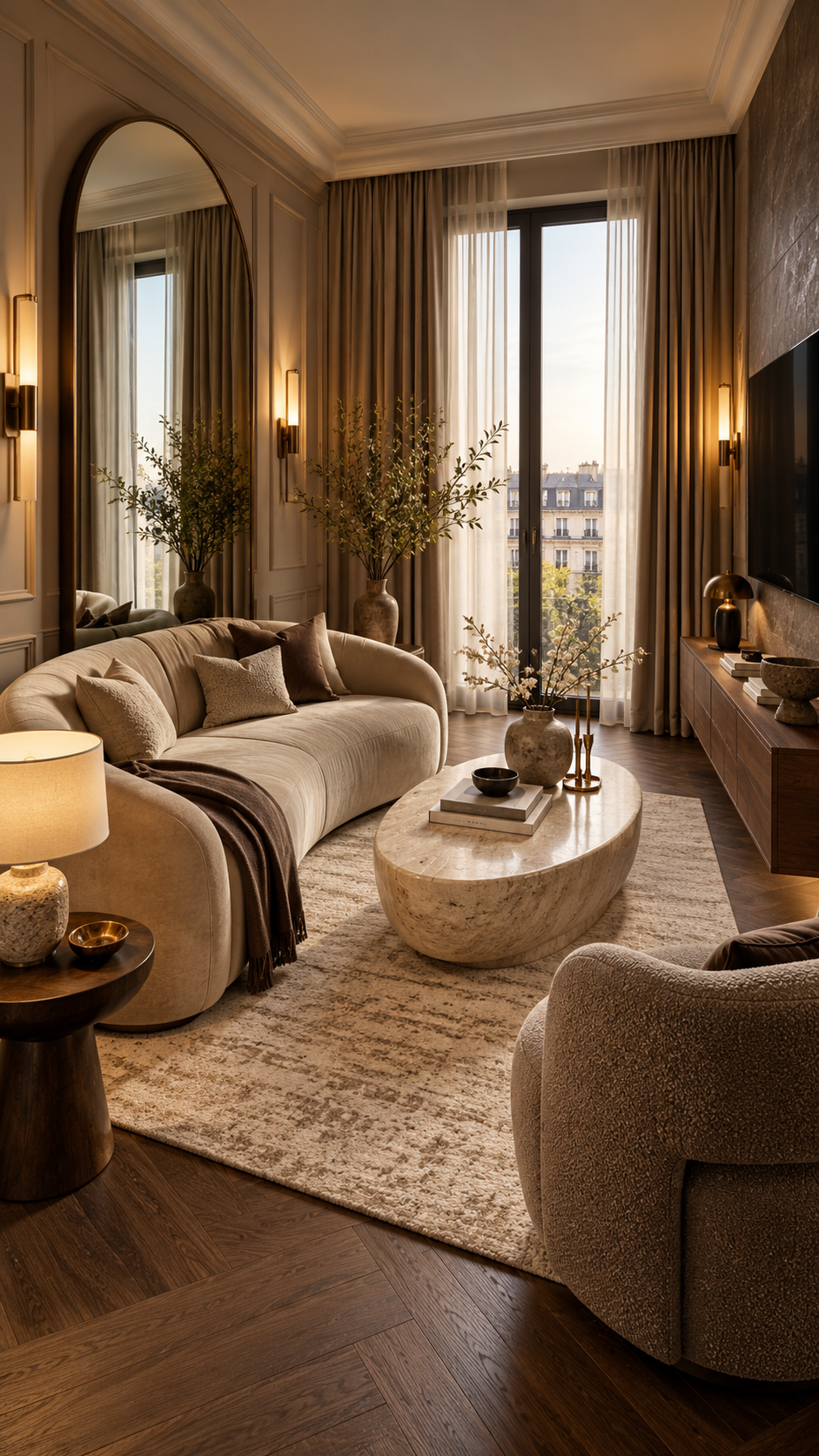
Create a Sophisticated Palette With Warm Neutrals and Deep Accents
Modern boutique elegance begins with a restrained color palette that combines warmth with architectural definition.
Cream, mushroom taupe, warm greige, and soft stone establish an elegant foundation. Charcoal, dark walnut, or muted espresso accents introduce contrast and visual depth.
A sofa upholstered in mushroom-colored fabric can look beautiful against warm ivory walls. Pair it with a dark wood coffee table and a small amount of antique brass detailing.
The contrast adds personality without requiring multiple competing colors.
Unlike a purely minimalist interior, boutique-inspired design often features subtle tonal variations. A pale stone wall, taupe curtains, cream upholstery, and dark wooden furniture can create a sophisticated, layered composition.
✨ Metallic finishes should remain understated. Brushed brass, antique bronze, and muted champagne accents generally feel more timeless than large amounts of highly reflective gold.
Use these materials selectively on lighting fixtures, furniture details, or decorative accessories.
Introduce One Sculptural Statement Furniture Piece
Luxury in a small living room often comes from proportion, silhouette, and material quality rather than the number of furnishings.
Instead of purchasing several statement pieces, choose one sculptural element that becomes the visual centerpiece of the room.
A compact curved sofa can introduce softness and architectural interest. Its rounded outline contrasts beautifully with straight walls and simple cabinetry.
Alternatively, a small oval stone-look coffee table or a distinctive accent chair can become the central feature.
The remaining furniture should support the statement piece rather than compete with it.
For example, if the sofa has a dramatic curved shape, choose simple side tables and understated wall decorations.
An elegant living room is most successful when the visual hierarchy is clear. There should be one main focal point, several supporting details, and enough open space to prevent the design from becoming overwhelming.
Use Oversized Mirrors to Create Architectural Depth
Mirrors are especially effective in modern boutique-style living rooms because they combine practical visual benefits with decorative sophistication.
A large mirror with a thin dark metal frame can create the impression of additional depth. A softly rounded or arched mirror can also introduce an elegant architectural silhouette.
Position the mirror where it reflects a window, a carefully arranged seating area, or another appealing part of the room.
A mirror facing cluttered storage or an unattractive corner will simply emphasize those features.
🪞 An oversized mirror leaning against a wall can look striking, but it must be secured appropriately, especially in homes with children or pets.
Wall-mounted mirrors are often the better choice in very small spaces because they preserve valuable floor area.
The frame should complement the broader material palette. Antique brass offers warmth, black metal creates contrast, and natural wood introduces a softer contemporary character.
Layer Lighting for a Luxurious Evening Atmosphere
Lighting can dramatically change the appearance of a small living room, particularly after sunset.
A single bright overhead fixture may provide enough general illumination, but it rarely creates the warm, dimensional atmosphere associated with boutique interiors.
Layered lighting introduces several light sources at different heights and intensities.
Begin with soft ambient lighting, such as a discreet ceiling fixture or adjustable recessed lighting. Add a compact wall sconce beside the sofa or near a decorative feature.
A small table lamp can provide localized warmth on a side table or floating shelf.
💡 Warm white lighting around 2700K can create a particularly comfortable evening atmosphere, although individual preferences and room finishes may influence the ideal setting.
Avoid relying exclusively on intense cool-white light, which may make the space feel less relaxed.
Wall-mounted sconces are particularly valuable in compact rooms because they provide beautiful lighting without taking up precious floor space.
Add Refined Textures That Feel Beautiful and Expensive
Modern boutique-inspired interiors benefit from a carefully controlled mixture of textures.
A velvet accent cushion, textured linen sofa, smooth ceramic vase, dark wooden table, and subtle stone finish can produce a layered aesthetic without excessive decoration.
The secret is to balance tactile softness with polished surfaces.
For example, combine a soft upholstered sofa with a smooth oval coffee table. Add a low-pile rug with a delicate woven pattern and a sculptural ceramic lamp.
Select curtains that fall gracefully and complement the upholstery rather than introducing an unrelated pattern.
A few high-quality-looking decorative pieces are more effective than many inexpensive ornaments competing for attention.
Important Note: A luxurious small living room depends more on correct furniture proportions, comfortable circulation, and cohesive materials than on expensive furniture. Always measure the room, doorways, and available walking space before purchasing a statement sofa, large coffee table, or oversized cabinet.
This practical approach ensures that elegance never comes at the expense of comfort or daily functionality.
Finish With a Curated Boutique Hotel Aesthetic
A sophisticated small living room should feel carefully composed, but it should still be comfortable enough for everyday life.
Start by identifying the main focal point. It could be the sofa, an elegant mirror, a beautiful coffee table, or a subtle architectural feature.
Build the decorative arrangement around that focal point.
A single vase with sculptural branches can add height and movement to the coffee table. Two neatly stacked design books can introduce a curated editorial character.
A beautiful framed artwork above the sofa creates visual interest while maintaining the refined atmosphere.
Avoid decorating every surface. Boutique interiors often feel luxurious because there is a deliberate balance between objects and empty space.
The finished room should communicate elegance through its composition, not through excessive ornamentation.
🥉 Best 3 Small Living Room Inspo Ideas With Cozy Layered Cottage Charm
A cozy layered cottage living room offers a completely different approach to decorating a small space.
Instead of emphasizing minimalism or polished sophistication, this design celebrates comfort, warmth, character, and a welcoming sense of home.
Inspired by countryside cottages, romantic interiors, and beautifully collected vintage spaces, the concept combines natural materials, soft colors, familiar furniture shapes, and personal decorative details.
A compact room can be particularly suitable for this aesthetic because smaller spaces naturally create an intimate atmosphere.
The challenge is to introduce enough layers to feel cozy while avoiding the clutter that can make a small cottage-style living room appear crowded.
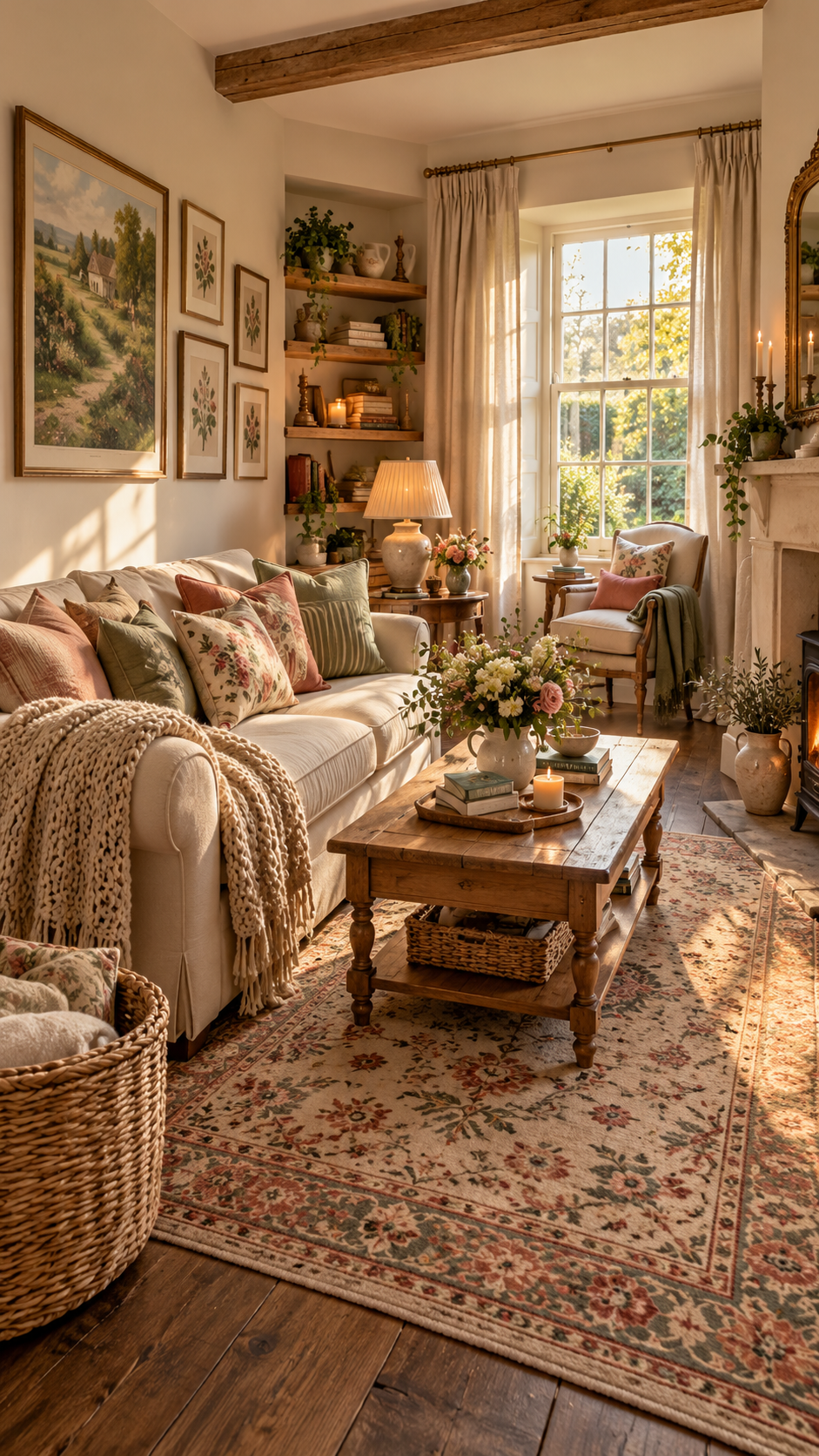
Build a Warm Cottage Color Palette With Gentle Earthy Tones
Cottage-inspired interiors feel especially inviting when decorated with colors found in nature.
Warm cream, oatmeal, muted sage green, dusty rose, soft taupe, and honey-toned wood provide a beautiful foundation.
Use the lightest shades on large wall surfaces to preserve brightness. Introduce richer colors through cushions, throws, artwork, and small decorative pieces.
A cream sofa paired with sage green cushions and a faded floral rug can create an appealing sense of softness.
Warm wooden furniture prevents the palette from appearing overly delicate.
🌸 Dusty rose, muted terracotta, or faded blue can provide subtle romantic accents without overwhelming the interior.
The objective is not to create a perfectly coordinated showroom. Cottage design becomes charming when colors feel naturally collected while still belonging to the same overall palette.
Choose a Comfortable Sofa With Timeless Character
The sofa should become the welcoming heart of a cozy cottage-style living room.
Look for a compact model with soft upholstery, comfortable cushions, and a timeless silhouette. Rounded arms, simple wooden legs, and natural-looking fabrics can all complement this aesthetic.
A small loveseat is often more suitable than an oversized sectional, particularly when the room needs to accommodate a doorway, television, or additional storage.
Linen-look upholstery in warm ivory or oatmeal creates a relaxed foundation for decorative cushions.
Mix a small number of cushion styles to introduce personality. A muted floral print, a subtle stripe, and a solid textured fabric can work beautifully together.
Avoid using too many large cushions, as they can consume valuable seating space.
A soft knitted throw provides another decorative layer while remaining useful during cooler evenings.
The sofa should look inviting enough for quiet reading, relaxed conversations, and comfortable evenings at home.
Layer Floral Fabrics and Natural Textiles Without Visual Clutter
Textiles are among the defining characteristics of cottage-style interiors.
A room decorated only with plain surfaces may feel attractive but lack the softness and individuality associated with countryside-inspired homes.
Subtle floral patterns, classic stripes, linen fabrics, woven cotton, and gently textured wool can create a rich yet comfortable atmosphere.
Start with a neutral sofa and introduce one primary patterned textile.
For example, a faded botanical rug can establish the decorative direction. Smaller cushions can then incorporate colors found in the rug.
If the rug has a noticeable floral design, keep the curtains relatively simple.
Alternatively, use delicate floral curtains while selecting a plain rug and understated upholstery.
🧶 The most effective approach is to vary texture more than pattern. This creates a layered appearance without making the limited space visually chaotic.
Natural woven baskets, textured cushions, and lightweight throws provide subtle detail while reinforcing the relaxed cottage aesthetic.
Incorporate Vintage Inspired Furniture and Charming Accessories
Cottage interiors feel personal because they often combine furniture and decorative pieces that appear to have been collected over time.
A small vintage-inspired side table can add character beside a modern sofa. A weathered wooden stool may function as an occasional table or a place to display a decorative arrangement.
A narrow antique-style console can provide useful storage without requiring a large footprint.
Look for pieces with warm wood finishes, simple craftsmanship, and proportions appropriate for the space.
Not every item needs to be genuinely antique. Contemporary furniture with timeless shapes can work just as effectively.
Decorative accessories might include a small ceramic pitcher, a woven basket, a framed botanical print, or a simple vase of seasonal flowers.
The goal is to create an inviting room with individual character rather than an interior that feels overly themed.
Every decorative piece should have a clear visual or functional purpose.
Create a Romantic Reading Corner in an Unused Space
A small reading corner can become one of the most delightful features of a cottage-style living room.
Even a modest space near a window can accommodate a comfortable chair, a slim side table, and a compact reading lamp.
Choose a chair that complements the sofa without duplicating its visual weight. A simple wooden armchair with a soft cushion or a petite upholstered chair can work beautifully.
If floor area is extremely limited, the end of the sofa can serve as a reading spot instead.
Position a wall-mounted lamp nearby and keep a small basket of favorite books within reach.
A soft throw and a cushion complete the arrangement.
📖 The purpose of a reading corner is to create a feeling of retreat, not to add furniture simply for decorative effect.
When the available space allows, this little corner can make the entire living room feel more welcoming and thoughtfully designed.
Add Warm Lighting and Natural Decorative Details
Lighting should emphasize the gentle, intimate character of a cottage-style living room.
Small table lamps, traditional fabric lampshades, warm wall sconces, and discreet ambient lighting create a comfortable evening atmosphere.
A ceramic lamp with a linen shade can look particularly beautiful on a wooden side table.
Instead of emphasizing glossy modern finishes, choose materials that feel natural and softly textured.
Plants and seasonal flowers can reinforce the connection to nature.
A vase of garden flowers, a few leafy branches, or a compact potted plant can provide freshness and movement.
In autumn, soft rust-colored cushions and seasonal foliage can make the room feel cozy. During spring, lighter textiles and fresh botanical accents create a brighter atmosphere.
These small seasonal changes help maintain the romantic cottage character without requiring a complete redesign.
Small Living Room Inspo Ideas for Choosing the Right Furniture Layout
Regardless of the decorating style, furniture arrangement is one of the most important decisions in a small living room.
A beautiful sofa or coffee table will not improve a room if its placement creates awkward walkways or blocks natural light.
The layout should support how the room is actually used. A household that watches television regularly may need a different arrangement from someone who primarily uses the living room for conversation or reading.
Arrange Furniture Around One Clear Focal Point
Every small living room benefits from an obvious focal point.
This might be a window with a beautiful view, a television wall, a fireplace, a striking artwork, or an attractive sofa arrangement.
Position the main seating to support this focal point while keeping movement through the room comfortable.
In a narrow living room, placing the sofa along the longest wall can help maintain a straightforward circulation route.
In a nearly square room, a compact sofa opposite a slim media console often creates a balanced arrangement.
Avoid spreading too many small furniture pieces around the room without a clear purpose.
A cohesive seating group usually appears more spacious than several disconnected arrangements.
Use Multi Functional Furniture to Save Space
Furniture that performs more than one function can significantly improve the practicality of a compact living area.
An upholstered storage ottoman can function as a footrest, occasional table, and hidden storage compartment.
A nesting coffee table offers extra surface area when guests arrive while occupying less space during everyday use.
A narrow console with drawers can hold everyday essentials while also providing space for decorative objects.
A sofa with integrated storage may be useful in apartments where closets are limited.
🧺 Hidden storage is especially valuable because it allows the room to maintain a calm appearance while keeping useful items close at hand.
The best multifunctional furniture combines practical convenience with a design that complements the overall decorating style.
Keep Walking Routes Comfortable and Unobstructed
A small living room should feel easy to move through.
Furniture that blocks a doorway, interrupts a frequently used path, or makes the seating arrangement difficult to access can create frustration.
Where practical, allow around 30–36 inches of clearance for main walking paths, although some compact spaces may require carefully considered compromises.
Between a sofa and a coffee table, approximately 14–18 inches often provides comfortable access while keeping the table within reach.
These are useful starting points rather than universal rules. Actual needs depend on room dimensions, furniture shapes, and accessibility requirements.
For extremely compact living rooms, a pair of small side tables may be more practical than a central coffee table.
The aim is to balance comfortable movement with efficient use of available floor space.
How to Make Small Living Room Inspo Ideas Look More Spacious
A compact living room does not always need structural changes to feel larger.
Several visual techniques can influence how spacious the room appears by directing attention, reducing unnecessary contrasts, and emphasizing architectural proportions.
When used together, these methods create a more open and balanced atmosphere.
Extend Curtains Toward the Ceiling
Curtains mounted close to the ceiling can visually elongate a room.
Choose panels that fall neatly toward the floor and avoid excessive fabric pooling, particularly in high-traffic areas.
Lightweight curtains in a color similar to the walls create a continuous appearance.
This technique works beautifully in Scandinavian, contemporary, and cottage-style living rooms.
Choose an Appropriately Sized Area Rug
A rug that is too small can visually disconnect the furniture and make the seating area feel fragmented.
Whenever practical, choose a rug large enough to extend beneath the front legs of the sofa and accompanying chairs.
A rug that visually unifies the seating area can make the arrangement feel more intentional.
Neutral rugs with subtle texture are especially versatile because they complement numerous interior styles.
Introduce Vertical Elements
Vertical design details encourage the eye to travel upward, making the room feel taller.
Tall curtains, narrow bookcases, vertical wall paneling, and carefully arranged artwork can all create this effect.
However, vertical elements should be balanced with lower furniture to prevent the room from feeling crowded.
A single tall shelving unit may be more effective than several smaller cabinets scattered across different walls.
Preserve Some Visible Floor Space
Visible floor area contributes to the perception of spaciousness.
Furniture with raised legs, floating cabinets, and lightweight silhouettes allows more of the flooring to remain exposed.
This does not mean every furniture piece must have slender legs.
A balanced combination of visually light furnishings and one substantial focal piece can create a more natural and attractive composition.
Small Living Room Inspo Ideas for Decorating on a Budget
Transforming a small living room does not necessarily require a major renovation or an entirely new furniture collection.
In many cases, relatively modest changes can improve the appearance of the space.
The key is identifying which elements have the greatest influence on the room’s overall atmosphere.
Refresh the Walls With a Cohesive Paint Color
Paint can be one of the most cost-effective ways to transform a compact living room.
Warm white, soft beige, and muted greige are versatile choices because they coordinate with various furniture finishes.
A gentle sage green or mushroom taupe accent wall may also work beautifully when the room receives sufficient natural light.
Before painting, test samples in different parts of the room and observe them throughout the day.
Colors can appear noticeably different under morning sunlight, afternoon daylight, and artificial evening lighting.
Upgrade Existing Furniture With Textiles
A sofa does not always need to be replaced to suit a new decorating style.
New cushion covers, a textured throw, and a carefully selected rug can dramatically change its visual character.
For a Scandinavian look, use neutral linen and woven textures.
For boutique elegance, combine refined fabrics with deeper accent colors.
For cottage charm, introduce subtle floral patterns and warm natural textiles.
This approach allows the room to feel refreshed without the expense of replacing major furniture pieces.
Rearrange Before Buying Anything New
Sometimes the most effective improvement is simply changing the position of existing furniture.
Try shifting the sofa to another wall, removing an unnecessary side table, or repositioning a floor lamp.
Consider whether the current arrangement blocks light or interrupts the natural movement through the room.
Removing one oversized or rarely used furniture piece may produce a more noticeable improvement than purchasing additional decoration.
A carefully edited living room often feels more polished and comfortable, regardless of its budget.
Common Mistakes That Make Small Living Rooms Look Smaller
Even attractive furniture and beautiful accessories can create an unsuccessful small living room when they are not combined thoughtfully.
Understanding common decorating mistakes makes it easier to achieve a room that feels spacious and comfortable.
Using Too Many Small Decorative Pieces
It may seem logical to fill a small room with miniature accessories, but numerous tiny objects can create a visually busy atmosphere.
A collection of small ornaments across every shelf and tabletop may distract attention from the overall design.
Instead, group a few complementary objects together and leave some surfaces open.
One substantial ceramic vase, a framed photograph, and a small stack of books can create a more elegant arrangement than a large collection of unrelated decorations.
Choosing Furniture That Is Too Large or Too Small
Oversized furniture can overwhelm a compact room, but furniture that is excessively small may also appear awkward and disconnected.
The goal is correct proportion.
A well-sized sofa can provide a comfortable anchor, while narrower accent furniture maintains flexibility.
Always consider the relationship between the furniture and the surrounding walls, windows, and walking paths.
Ignoring the Importance of Lighting
Poor lighting can make even a beautifully decorated living room appear dull or uncomfortable.
A small room benefits from natural daylight supported by several thoughtfully positioned artificial light sources.
Use warm ambient lighting, focused reading lights, and subtle decorative illumination when appropriate.
The combination creates visual dimension and allows the living room to adapt to different activities.
Mixing Too Many Competing Colors and Styles
Personalized interiors can combine multiple decorating influences, but excessive contrast may make a small space feel disorganized.
Choose one primary style and a consistent color foundation.
For example, Scandinavian furniture can work beautifully with a few cottage-inspired accessories when the colors and materials remain harmonious.
Similarly, a modern boutique living room may incorporate natural wood or vintage artwork without losing its sophisticated character.
The important consideration is maintaining enough consistency for the room to feel intentional.
How to Personalize Small Living Room Inspo Ideas for Everyday Living
Beautiful interiors are most successful when they reflect the habits and preferences of the people who use them.
A small living room should not exist solely as a decorative showcase. It should support relaxation, conversation, entertainment, and daily routines.
Personalization gives the space a sense of identity while making it more functional.
Create Comfortable Zones Without Adding Extra Walls
Even a very small living room can support several activities through thoughtful furniture placement.
A sofa and coffee table establish the main seating zone.
A compact chair near a window can create a reading corner.
A floating media console provides an entertainment area without requiring a large cabinet.
These functional zones can coexist when furniture sizes remain proportional and circulation routes are clear.
Instead of dividing the room with physical partitions, use rugs, lighting, and furniture orientation to create subtle distinctions.
Display Meaningful Objects With Intention
Personal photographs, favorite books, travel souvenirs, and handmade accessories make a living room feel unique.
However, displaying every meaningful possession at once may overwhelm a compact interior.
Choose a few favorite objects and give them dedicated positions.
A framed photograph on a floating shelf, a small collection of favorite books, or a cherished ceramic piece can introduce personal character while preserving visual balance.
Rotate decorative items occasionally to refresh the space without adding new clutter.
Adjust the Design for Different Seasons
A small living room can feel completely different throughout the year with only a few seasonal changes.
During spring and summer, lightweight fabrics, fresh greenery, and brighter accent colors can create an airy atmosphere.
Autumn invites warm earth tones, knitted throws, and textured cushions.
Winter styling can emphasize layered lighting, soft wool textiles, and cozy seating arrangements.
🍂 Seasonal decorating works best when the underlying furniture and color palette remain versatile.
Rather than replacing major elements, focus on small decorative updates that enhance the existing style.
Which of the Best 3 Small Living Room Inspo Ideas Is Right for Your Home
Choosing between Scandinavian simplicity, boutique elegance, and cottage charm depends on the atmosphere you want to create.
The Scandinavian retreat is ideal for those who appreciate bright interiors, natural materials, and a peaceful minimalist aesthetic. Its light colors and functional furniture make it particularly suitable for compact apartments and modern homes.
The modern boutique approach is perfect for anyone who enjoys sophisticated design, sculptural furniture, beautiful lighting, and carefully selected luxurious accents. It can make a small living room feel elegant and architecturally considered without requiring a large amount of furniture.
The layered cottage concept suits those who prefer an intimate, relaxed, and personal atmosphere. Soft textiles, warm wooden furniture, and charming decorative details can make a compact living room feel especially welcoming.
There is no need to follow one style rigidly. A Scandinavian living room can incorporate the warmth of cottage textiles, while a boutique-inspired interior can benefit from the natural materials associated with Nordic design.
The strongest results come from understanding the room’s proportions and selecting complementary elements that support both comfort and visual harmony.
Final Thoughts on Small Living Room Inspo Ideas
The most beautiful Small Living Room Inspo Ideas demonstrate that limited floor space can become an advantage when approached with creativity and thoughtful planning.
A small living room does not need excessive decoration, expensive furnishings, or complicated architectural changes to feel extraordinary. Its transformation often begins with a harmonious color palette, a comfortable sofa, practical storage, flattering lighting, and carefully selected materials.
🥇 Airy Scandinavian Retreat creates a bright, peaceful environment through natural textures, slim furniture, and a restrained neutral palette.
🥈 Modern Boutique Elegance transforms compact proportions into sophisticated style through sculptural details, refined finishes, and beautifully layered lighting.
🥉 Cozy Layered Cottage Charm celebrates softness, personality, and comfort with warm colors, inviting textiles, and timeless decorative accents.
Each design direction offers a beautiful solution for making a small living room feel more spacious, stylish, and welcoming.
The ultimate goal is not simply to make a tiny room look bigger. It is to create a balanced, functional, and inviting living space that feels genuinely enjoyable every day.
With the right combination of proportion, texture, lighting, and personal character, even the smallest living room can become one of the most beautiful spaces in the entire home.
Related posts:

Best 3 Cozy Living Room Inspo Ideas That Will Make Your Home Feel Instantly Warm and Beautiful
Top 3 Boho Living Room Ideas That Make Any Space Look Effortlessly Stylish
Top 3 Corner Sofa Designs That Make Any Living Room Look Bigger and More Expensive
Best 3 Fall Living Room Decor Ideas Everyone Will Want to Copy This Season
Best 3 Modern Cozy Living Room Ideas That Make Every Home Feel Like a Luxury Retreat
Best 3 Colorful Living Room Ideas That Make Every Home Look Instantly Designer Styled