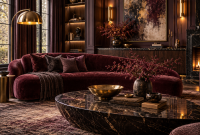
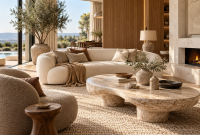
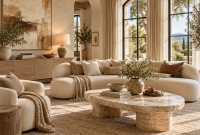
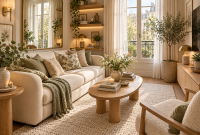
Budget Friendly Living Room Inspo proves that a beautiful, stylish, and thoughtfully decorated living room does not have to come with a luxury price tag. Some of the most impressive home transformations begin with furniture that is already there, affordable secondhand discoveries, creative DIY upgrades, and a few smart decorating decisions. The secret is not spending more money but understanding where small changes can create the greatest visual impact.
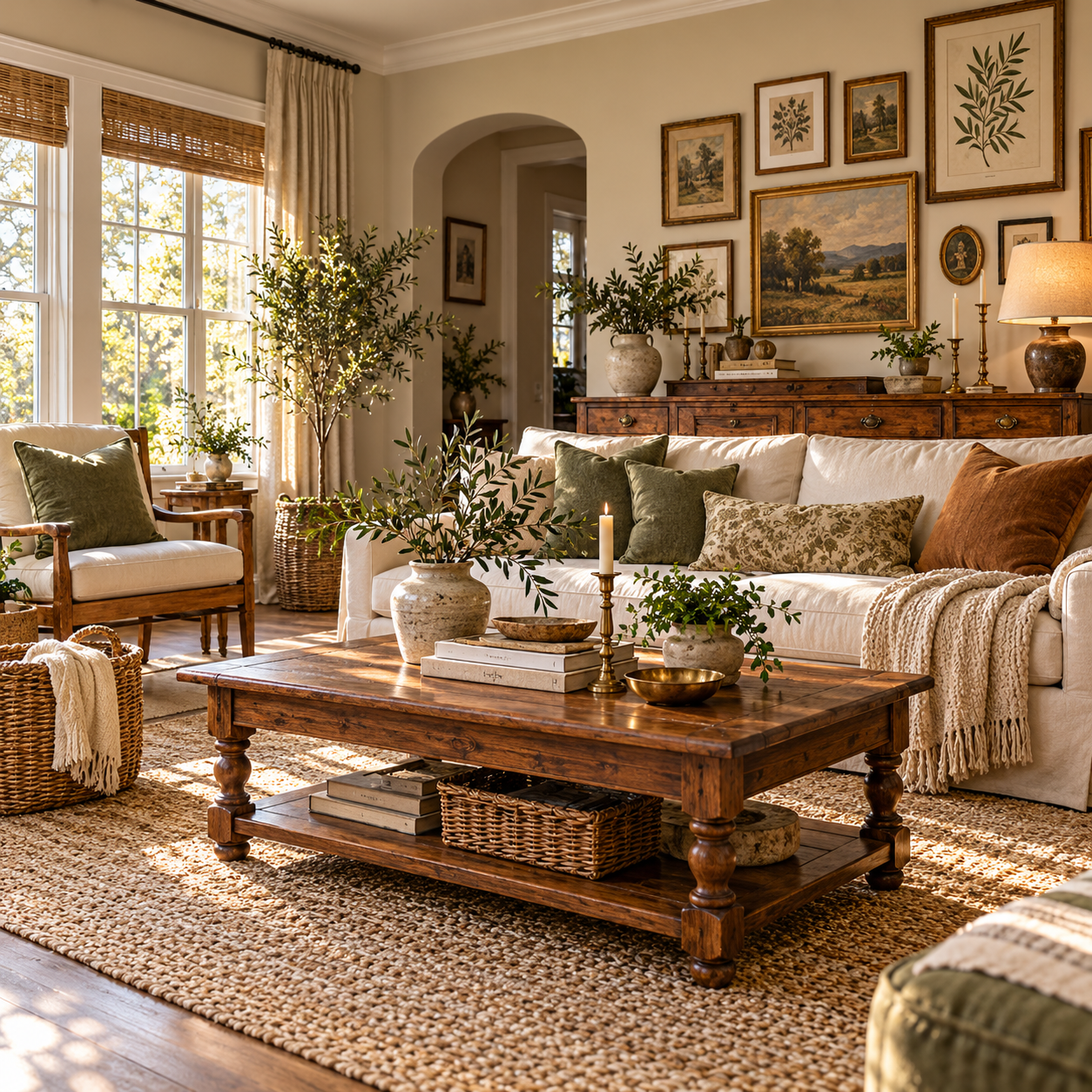
A living room is often the most frequently used space in a home. It is where families gather, friends visit, favorite movies are enjoyed, and ordinary evenings become meaningful memories. Naturally, everyone wants this space to feel beautiful and welcoming. However, replacing sofas, investing in designer furniture, and buying expensive decorations can quickly turn a simple makeover into a major financial commitment.
Fortunately, creating an expensive-looking interior and actually spending a fortune are two completely different things. A carefully rearranged furniture layout, beautifully restored vintage cabinet, creative wall treatment, or thoughtfully selected collection of accessories can give an ordinary living room a remarkable new identity.
The most successful affordable living room makeovers focus on three important principles: making better use of existing belongings, finding stylish alternatives to expensive furniture, and creating visual interest through inexpensive decorative improvements.
These Best 3 Budget Friendly Living Room Inspo Ideas explore three distinctly different approaches to affordable decorating. Each offers a practical way to transform a living room without unnecessary purchases, making them especially useful for first-time homeowners, renters, budget-conscious decorators, and anyone hoping to refresh an existing interior.
Why Budget Friendly Living Room Inspo Can Look Surprisingly Luxurious
Luxury interior design is often associated with expensive materials, impressive furniture collections, and beautifully decorated architectural spaces. Yet many of the visual qualities that make these interiors attractive are not determined by price alone.
Balance, proportion, color coordination, thoughtful furniture placement, and deliberate styling can have an enormous influence on how a room feels. An affordable sofa positioned beneath a carefully arranged gallery wall may create a stronger impression than an expensive sectional surrounded by mismatched accessories.
✨ A room feels intentionally designed when its individual elements work together.
This principle explains why low-cost decorating can produce such satisfying results. Instead of purchasing everything new, homeowners can invest their creativity in improving what they already own.
A basic wooden side table can become an attractive accent piece with a refreshed finish. An ordinary wall can turn into a focal point with a thoughtfully designed arrangement of inexpensive artwork. Even a neglected furniture corner can become an appealing feature simply by changing the arrangement of existing belongings.
Budget decorating also encourages a more personal approach to interior design. Secondhand pieces, family photographs, collected objects, handmade artwork, and restored furniture bring individuality into a home.
Rather than creating a room that looks exactly like a furniture showroom, affordable decorating allows the interior to develop a character that reflects the people living there.
How to Make a Living Room Look Expensive Without Buying Expensive Furniture
One of the biggest mistakes in budget decorating is assuming that every improvement requires another purchase.
In reality, attractive interiors usually depend on a limited number of strong visual decisions. A clear focal point, properly scaled furniture, coordinated finishes, and controlled decorative arrangements can make a room appear more refined.
For example, consider a living room containing a comfortable gray sofa, an ordinary wooden coffee table, several mismatched pillows, and a collection of small decorations.
Replacing everything would be expensive. However, repositioning the sofa, refinishing the coffee table, editing the accessories, and introducing a consistent accent color could give the same room an entirely different appearance.
💡 The goal is to improve the relationship between existing elements before investing in replacements.
This mindset creates more decorating possibilities while preventing unnecessary spending.
It also allows homeowners to redirect their limited budgets toward improvements that genuinely matter, such as better lighting, durable upholstery, or functional storage.
🥇 Best 1 Budget Friendly Living Room Inspo With a Zero Spend Furniture Restyling Makeover
The first approach to affordable living room decorating begins with an unexpected idea: the most valuable decorating resource may already be inside the home.
A zero-spend furniture restyling makeover focuses on rediscovering existing furniture, improving the room layout, and giving familiar belongings a fresh visual identity.
Instead of browsing furniture stores, homeowners begin by looking carefully at what they own. A neglected side table from the bedroom might work beautifully beside the living room sofa. A decorative basket stored in a closet could become useful blanket storage. An old framed photograph might look surprisingly sophisticated when combined with other artwork.
The result can feel like a completely redesigned living room, even when very little has actually changed.
This approach works particularly well in homes with functional furniture that still has years of use remaining.
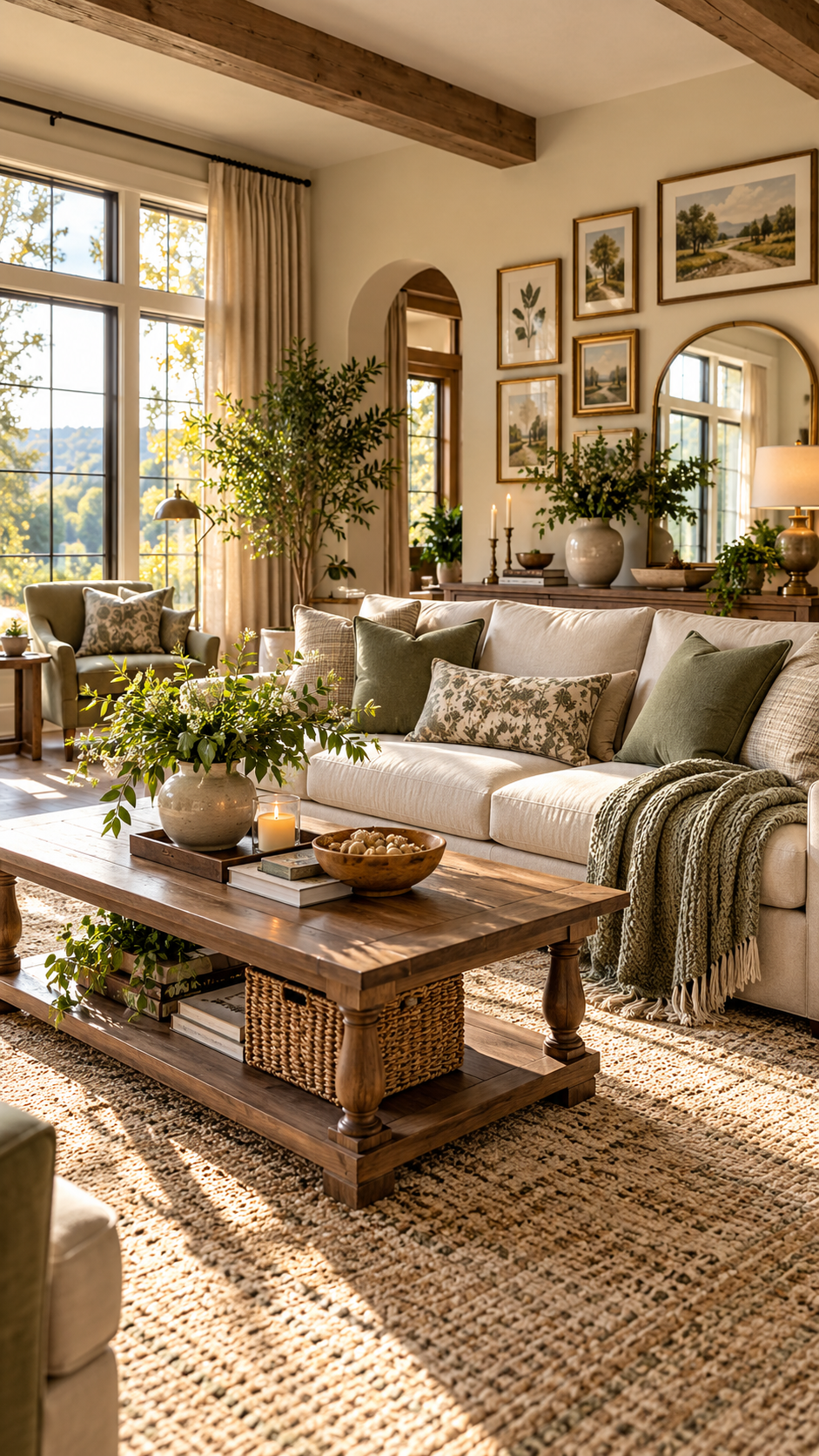
Rearrange Existing Furniture to Create a More Intentional Living Room Layout
Furniture placement can dramatically influence the appearance of an interior.
Many living rooms gradually develop layouts based on convenience rather than design. Sofas are pushed against walls, chairs occupy awkward corners, and coffee tables remain in positions that no longer support the way the room is used.
A thoughtful rearrangement can correct these problems without requiring a single purchase.
Begin by identifying the room’s natural focal point. This could be a fireplace, a large window, an attractive architectural feature, or a television wall.
Next, organize the main seating arrangement around that feature while preserving comfortable movement through the room.
A sofa does not always need to sit directly against a wall. In a larger living room, bringing it slightly forward can create a more intentional furniture grouping. In another room, repositioning an armchair may make a conversation area feel more connected.
🛋️ The most important consideration is how furniture supports everyday activities.
A beautiful layout should allow people to walk comfortably, reach nearby tables, and interact without obstacles.
Even subtle adjustments can improve the entire room.
Moving a coffee table closer to the seating arrangement, relocating a floor lamp, or shifting an accent chair toward a window can create a stronger sense of balance.
Shop Your Own Home for Beautiful Decorative Accessories
One of the easiest affordable decorating techniques is shopping from rooms that already exist.
This means collecting decorative items from different parts of the home and reconsidering how they could work together in the living room.
A ceramic bowl from the dining room might become an elegant coffee table centerpiece. A woven tray from the kitchen could organize remotes and small accessories. Unused books can create height beneath a decorative object.
🌿 Even a single healthy houseplant can become a striking focal point when moved into a better position.
The key is selecting objects based on their shape, texture, color, and visual relationship rather than their original purpose.
A collection of five unrelated accessories may feel cluttered. However, choosing three complementary pieces with different heights can create a more considered display.
For example, an existing coffee table arrangement might combine a stack of books, a small ceramic vase, and one sculptural object.
This creates a deliberate composition while keeping the surface practical.
Create a High End Appearance Through Decorative Editing
A common assumption is that living rooms become more attractive when more decorations are added.
However, excessive accessories can make even expensive furniture appear less impressive.
Decorative editing involves removing unnecessary objects, reducing visual competition, and allowing the most attractive pieces to receive attention.
Start with crowded shelves, overloaded coffee tables, and decorative corners where too many small objects compete for attention.
Temporarily clear these surfaces and rebuild each arrangement using only the most meaningful items.
Choose a few objects with contrasting heights and complementary materials. Leave some open space around them so the composition feels intentional.
✨ Empty space is not wasted space. It allows attractive objects and furniture to stand out.
This technique is especially effective when the living room contains several different furniture styles.
A cleaner visual arrangement can make seemingly unrelated pieces feel more cohesive.
The result is not necessarily minimalist. The room can still be colorful, expressive, and richly decorated, but every item should contribute to the overall composition.
Make Existing Furniture Look More Coordinated
Furniture does not have to come from the same collection to create a beautiful interior.
In fact, interiors often feel more interesting when they combine pieces acquired at different times.
The challenge is establishing enough visual consistency to make those pieces feel connected.
One effective method is repeating a limited number of finishes throughout the room.
For example, if an existing coffee table has a dark wooden finish, a similarly colored picture frame or decorative tray can help connect it with the surrounding furniture.
Likewise, a black floor lamp can coordinate with black cabinet handles or a dark-framed mirror.
These repeated details create subtle visual relationships.
When furniture colors cannot be changed, fabric accessories may help unify the arrangement. Existing cushions, throws, and blankets can be redistributed to create a more consistent palette.
Who Should Choose This Budget Living Room Makeover
A zero-spend restyling makeover is especially suitable for homeowners who already have comfortable, functional furniture but feel dissatisfied with the room’s appearance.
It is also an excellent starting point before spending money on new decorations.
By rearranging and editing first, homeowners can identify genuine gaps in the room rather than purchasing unnecessary items.
Estimated additional spending: $0, assuming all existing furniture and accessories are reused.
🥈 Best 2 Budget Friendly Living Room Inspo With Thrifted Furniture and Curated Vintage Finds
The second decorating approach combines affordability with personality through secondhand furniture and carefully selected vintage pieces.
Instead of trying to recreate a room filled with brand-new coordinated furniture, this concept embraces the charm of items that have already lived another life.
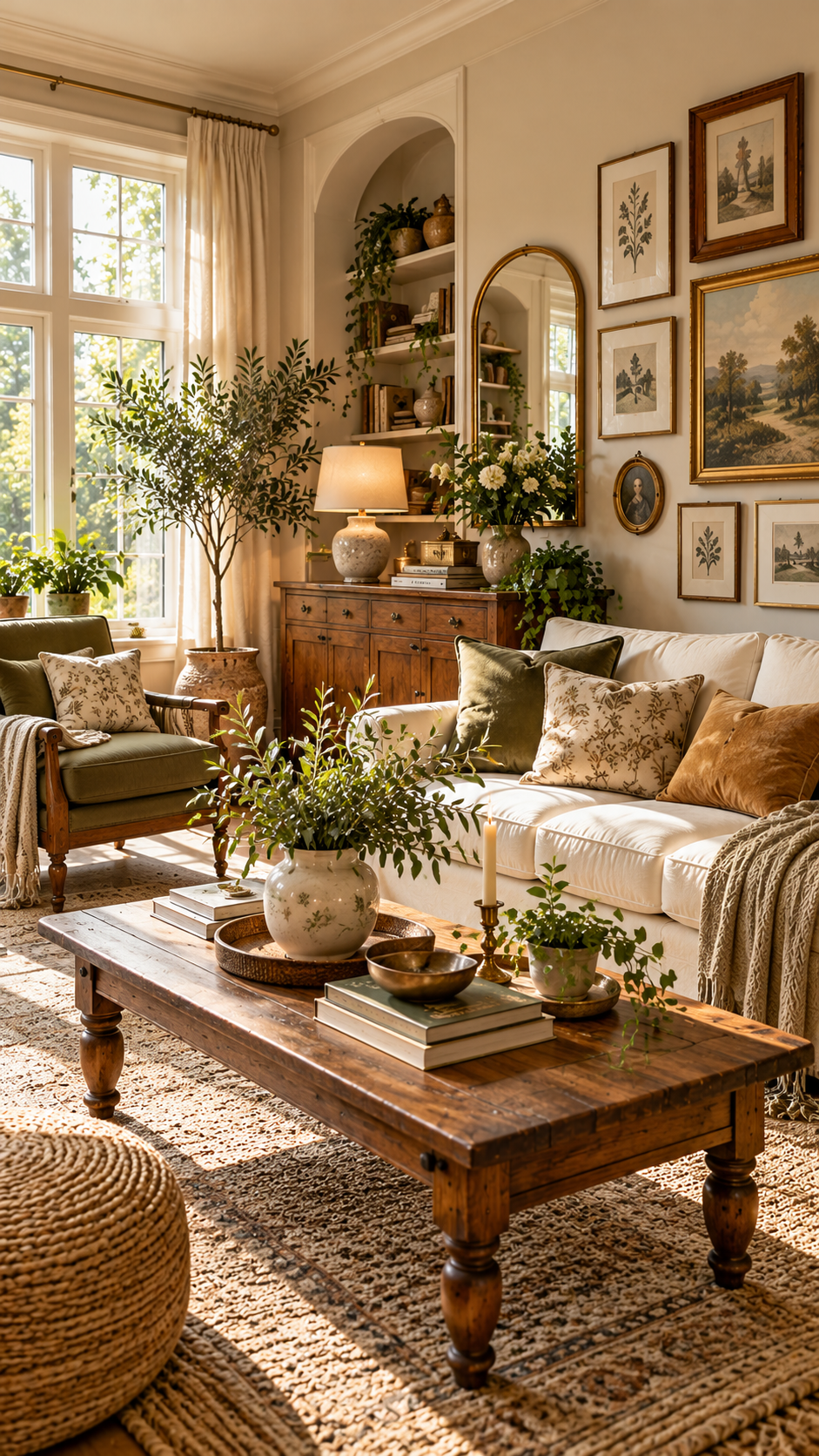
A well-preserved wooden cabinet, a vintage accent chair, an attractive secondhand lamp, or a distinctive coffee table can become the defining feature of an entire room.
Many older furniture pieces feature interesting shapes, decorative details, or solid construction that may be difficult to find at similar prices among inexpensive new furniture.
The secret is shopping selectively rather than filling the room with anything that happens to be cheap.
A successful thrifted living room should feel collected and intentional, not crowded with random secondhand purchases.
Find Affordable Statement Furniture That Anchors the Room
When decorating with secondhand furniture, the first priority should be choosing pieces that provide meaningful visual or functional value.
Large furniture items naturally influence the atmosphere of a room. A beautiful wooden sideboard, distinctive coffee table, or attractive upholstered chair can establish a style direction that smaller decorations support.
Instead of buying several inexpensive accessories, consider investing the same amount in one memorable furniture piece.
For example, a vintage wooden coffee table with an attractive shape can become a central feature when paired with an existing contemporary sofa.
A secondhand cabinet might provide storage while introducing architectural character.
🪑 The best thrifted furniture offers both practicality and lasting appeal.
Before purchasing, examine the item’s proportions, construction, stability, and condition.
Check whether drawers open correctly, legs feel secure, wood shows signs of damage, and upholstered surfaces have odors, stains, or evidence of pests.
A very inexpensive item can become costly if it requires extensive repairs.
It is usually wiser to choose a slightly more expensive piece in good condition than a badly damaged bargain that needs professional restoration.
Mix Affordable Modern Furniture With Vintage Character
A living room furnished entirely with vintage pieces can be beautiful, but it may not suit every household.
One of the most appealing alternatives is combining modern everyday furniture with selected secondhand accents.
An existing contemporary sofa can provide comfort while a vintage coffee table introduces character.
A simple modern media console may look more interesting beside an antique-style floor lamp.
A basic armchair can become more distinctive when accompanied by a small wooden side table with a beautifully aged finish.
This approach avoids the expense of replacing every major furniture piece.
It also creates contrast between clean contemporary shapes and interesting older details.
For the most cohesive appearance, identify one connecting element.
That might be a shared wood tone, repeated metal finish, similar upholstery color, or consistent decorative shape.
For example, warm walnut furniture can coordinate with brass lighting, cream upholstery, and framed vintage artwork.
The overall result feels layered without becoming visually confusing.
Transform a Secondhand Coffee Table Into an Affordable Centerpiece
A coffee table is one of the easiest furniture pieces to update because it occupies a prominent position without requiring the complexity of restoring an entire sofa or large storage unit.
An inexpensive wooden coffee table with a solid structure may only need cleaning, minor repairs, and an improved finish.
Depending on its condition and material, an appropriate furniture paint, wood stain, or compatible protective coating can create a dramatic visual change.
For an elegant appearance, consider muted finishes such as warm brown, deep olive, soft black, or natural wood.
Avoid selecting a finish simply because it is fashionable. The completed table should coordinate with the surrounding furniture.
🎨 A thoughtfully refinished coffee table can become one of the strongest visual features in an affordable living room.
Before refinishing, identify the surface material and existing coating. Veneered wood, laminate, solid wood, and previously painted furniture may require different preparation methods.
Older painted furniture may also contain lead. If the age or coating is uncertain, avoid dry sanding or scraping until the finish has been assessed and appropriate safety measures are established.
Use Secondhand Artwork and Mirrors for Affordable Wall Decor
Wall decorations can contribute substantially to the appearance of a living room, but high-quality artwork and large decorative mirrors can be expensive.
Secondhand stores, charity shops, estate sales, and local resale marketplaces often contain interesting framed artwork and decorative objects.
The most important consideration is not whether an item belongs to a famous collection but whether it complements the room.
Vintage botanical prints, architectural sketches, abstract paintings, and landscape artwork can all provide visual interest.
A group of inexpensive frames may also create an attractive gallery wall.
Choose frames that share a common characteristic, such as similar wood tones, repeated black finishes, or complementary metallic details.
Mirrors are another practical option.
A carefully positioned secondhand mirror can reflect an appealing part of the room or help distribute natural light.
However, its placement should be deliberate. Avoid positioning mirrors where reflections create distracting glare or expose areas homeowners would prefer to keep private.
Create an Elegant Thrifted Living Room With a Limited Color Palette
Secondhand furniture comes in a wide variety of colors, finishes, and styles.
Without planning, mixing too many unrelated pieces can make an interior feel visually disconnected.
A limited color palette provides a simple solution.
Start with a dominant background color that already exists in the room. Then select one or two supporting shades that can be repeated through furniture and accessories.
For example, a vintage-inspired affordable living room could combine:
- 🤎 Rich brown wood furniture
- 🤍 Soft ivory upholstery
- 🌿 Muted olive decorative accents
- ✨ Aged brass picture frames
- 🖤 Small charcoal details for contrast
These colors create relationships between items even when the furniture comes from different decades.
Texture can provide additional variety without introducing more colors.
Woven baskets, ceramic pottery, linen-style fabrics, and wooden objects all help create an interior that feels collected rather than manufactured.
Who Should Choose This Budget Living Room Makeover
The thrifted furniture approach is ideal for decorators who enjoy finding unusual pieces, prefer individualized interiors, and have time to search local secondhand markets.
It can also work particularly well when an existing living room needs one substantial furniture addition rather than an entirely new collection.
Illustrative additional spending: $100–$300, depending on local secondhand prices, transportation, repairs, and the items required.
🥉 Best 3 Budget Friendly Living Room Inspo With Creative DIY Wall Upgrades and Affordable Decor
The third approach focuses on inexpensive visual transformations that make an ordinary living room look noticeably different without replacing the main furniture.
Instead of spending most of the budget on sofas, tables, and cabinets, this makeover concentrates on surfaces, details, and decorative features.
Walls, furniture hardware, lampshades, and small display arrangements offer countless opportunities for affordable improvements.
The advantage of this approach is flexibility. Homeowners can complete one project at a time, allowing the room to evolve gradually.
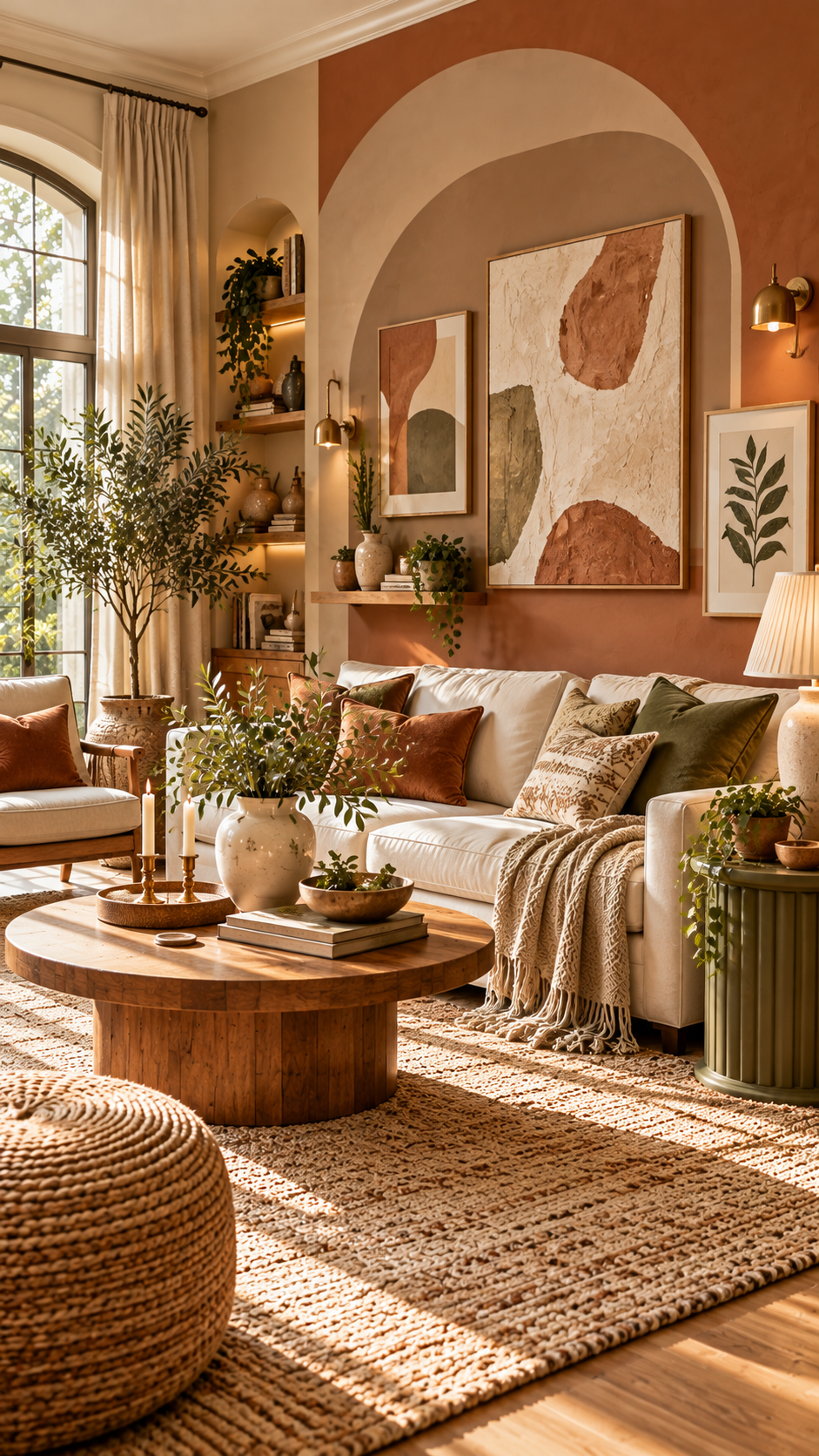
A simple painted focal wall, handmade artwork, and a refreshed side table can collectively create an impressive transformation.
The goal is not to cover every surface with DIY decorations. It is to select a few projects that deliver a noticeable improvement.
Create a Budget Accent Wall With Paint
Paint is often one of the most effective ways to change the appearance of a room without replacing furniture.
A carefully selected wall color can introduce depth, define an architectural feature, or create a more interesting background for existing decorations.
For a low-cost makeover, consider focusing on one wall rather than repainting the entire room.
A focal wall behind the main sofa is often a suitable choice, although the best location depends on the room’s existing architecture and natural light.
Colors such as warm clay, muted sage, deep blue-gray, or soft taupe can create a distinctive atmosphere.
The shade should complement the room’s existing furniture and flooring rather than compete with them.
🎨 Always test paint samples under different lighting conditions before committing to a full wall.
Colors may appear dramatically different in morning daylight, afternoon shadows, and artificial evening light.
Proper surface preparation is equally important.
Cleaning, filling small imperfections, protecting nearby furniture, and using appropriate primer where necessary can improve the finished appearance.
An inexpensive paint project often looks more professional when careful preparation receives as much attention as color selection.
Design an Affordable Gallery Wall With Personal Artwork
A gallery wall provides a wonderful opportunity to create meaningful decoration without purchasing expensive original artwork.
Family photographs, personal travel images, printable illustrations with proper usage rights, handmade paintings, and existing framed prints can become part of the arrangement.
The strongest gallery walls usually have a consistent organizing principle.
This might involve repeating frame colors, maintaining similar spacing, or arranging artwork around a clear central piece.
Start by placing the frames on the floor and experimenting with different combinations.
Photograph a few layouts before making holes in the wall.
This allows homeowners to compare arrangements without committing immediately.
For renters, removable hanging products may offer an alternative, but they should be selected according to the wall finish and the manufacturer’s weight and removal guidance.
✨ A thoughtfully designed gallery wall can make inexpensive artwork feel like a curated collection.
The result becomes especially meaningful when personal photographs and handmade pieces are included.
Instead of imitating a generic showroom, the room tells a story about the people who live there.
Upgrade Existing Lamps for a More Polished Appearance
Lighting fixtures can make a surprisingly strong visual impression, even when the furniture remains unchanged.
A perfectly functional lamp may feel outdated because of its shade, finish, or surrounding accessories.
Sometimes changing only the lampshade can dramatically improve its appearance.
A simple fabric shade may soften the overall design, while a more structured shade can create a cleaner contemporary look.
Another option is refreshing a suitable decorative lamp base with a finish specifically designed for its material.
Electrical components, wiring, sockets, and switches should not be painted or modified as part of a decorative makeover.
Use only compatible lampshades and bulbs, observing the fixture’s clearance and wattage requirements.
The objective is to improve the appearance of existing lighting without compromising safety.
💡 A well-chosen lamp shade can often deliver more visual impact than several inexpensive decorative accessories.
Use Removable Decorative Treatments for Rental Friendly Updates
Renters frequently face limitations when decorating living rooms.
Permanent construction, extensive painting, or modifications to built-in features may not be permitted under a rental agreement.
Fortunately, removable decorative treatments can create noticeable changes without major renovation.
Temporary wallpaper, removable wall decals, and suitable adhesive coverings can provide visual interest.
These materials work particularly well for limited areas such as recessed wall sections or the background of an existing display unit.
The key is selecting products compatible with the specific wall finish and testing them in an inconspicuous location.
Not every product advertised as removable can be removed without damage. Fresh paint, delicate wallpaper, textured surfaces, and certain wall finishes may be particularly vulnerable.
Before installation, follow the manufacturer’s surface preparation and removal instructions, and obtain permission where required.
Make Inexpensive Decor Look More Intentional
Affordable decorative objects can look surprisingly attractive when displayed with care.
The challenge is avoiding the temptation to purchase too many small accessories simply because each one is inexpensive.
Instead, build decorations around a few carefully chosen elements.
A large ceramic bowl may provide more visual impact than five miniature ornaments.
A handmade abstract painting can establish a stronger focal point than a crowded arrangement of unrelated wall decorations.
A single attractive vase with seasonal branches can bring height and movement into an otherwise plain corner.
Consider creating decorative groupings that vary in scale while maintaining a common color or material.
For example, a console table might feature a medium-sized lamp, a small collection of books, and one sculptural ceramic object.
The arrangement feels complete without becoming overcrowded.
Who Should Choose This Budget Living Room Makeover
Creative DIY decorating is ideal for homeowners who enjoy hands-on projects and want noticeable visual changes while retaining their existing furniture.
It is particularly useful when the main seating and storage are already functional but the room lacks distinctive decorative details.
Illustrative additional spending: $50–$200, depending on the materials selected and the number of projects completed.
Budget Friendly Living Room Inspo Cost Comparison for All Three Makeover Ideas
Choosing between these three affordable decorating approaches depends on the room’s current condition, the availability of existing furniture, and the amount of money allocated to improvements.
A home with attractive but poorly arranged furniture may benefit most from a zero-spend restyling project.
Another living room may genuinely need a replacement coffee table or functional storage cabinet, making secondhand shopping a more practical investment.
For homeowners satisfied with their furniture but looking for a stronger visual transformation, inexpensive decorative upgrades may deliver the greatest impact.
The following table provides an illustrative comparison using US dollars. These are planning examples rather than current retailer quotes.
| Budget Living Room Idea | Illustrative Extra Budget | Main Improvement | Best For |
|---|---|---|---|
| 🥇 Zero Spend Furniture Restyling | $0 | Layout, visual balance, existing decor | Rooms with usable furniture |
| 🥈 Thrifted Furniture Makeover | $100–$300 | Distinctive secondhand furniture | Rooms needing functional additions |
| 🥉 Creative DIY Decor Makeover | $50–$200 | Walls, accessories, surface details | Rooms needing a visual refresh |
The estimates assume major furniture items, especially the primary sofa, are already available.
Actual costs can vary significantly based on location, materials, transportation, tools, repairs, and the availability of secondhand furniture.
Combining all three ideas is also possible, but it is usually more effective to complete the free improvements first and make purchases only after identifying what the room genuinely needs.
⚠️ Important Note: Before beginning any budget living room makeover, establish a realistic spending limit and prioritize essential furniture repairs, electrical safety, and functional needs over decorative purchases. An inexpensive project is only a good value when it is durable, safe, and genuinely improves the room. Allow a small contingency for unexpected costs, especially when purchasing secondhand furniture or completing DIY improvements.
How to Plan a Budget Friendly Living Room Makeover Without Wasting Money
Affordable decorating becomes much easier when every purchase has a specific purpose.
Without a plan, small decorative items can accumulate into surprisingly large expenses. A few affordable cushions, several picture frames, an inexpensive rug, and multiple accessories may seem harmless individually, but together they can consume the entire decorating budget.
A better approach begins by identifying the room’s most important problems.
Perhaps the furniture arrangement makes conversation difficult. Maybe the coffee table is damaged, the walls feel unfinished, or the room lacks enough practical storage.
Once those issues are clear, spending decisions become more focused.
Identify the Three Changes With the Greatest Visual Impact
Before shopping, examine the living room from its main entrance.
Notice which elements immediately attract attention and whether they create a positive impression.
Large furniture, wall colors, major decorative arrangements, and prominent storage units often have the greatest influence on the room’s appearance.
Select three specific changes that could improve the overall design.
For example, these might include rearranging the sofa, restoring a worn coffee table, and creating artwork for an empty wall.
This approach prevents the makeover from becoming an endless collection of unrelated projects.
It also provides a clear order of priority.
Complete the free improvement first, then address the most necessary furniture problem, and finally consider decorative upgrades.
Build a Realistic Living Room Decorating Budget
A budget should reflect the room’s actual needs rather than an arbitrary shopping target.
Someone with functional furniture may be able to create a dramatic transformation with almost no additional spending.
Another household may need to prioritize safe seating, appropriate lighting, or practical storage before adding decorative accessories.
For a hypothetical $200 refresh, the following allocation offers one possible starting point:
| Expense Category | Example Allocation |
|---|---|
| Secondhand side table or furniture upgrade | $60 |
| Paint and basic decorating supplies | $45 |
| Affordable artwork and frames | $30 |
| Lamp shade or lighting accessory | $25 |
| Small decorative details | $20 |
| Contingency | $20 |
| Total | $200 |
This is an illustrative spending plan rather than a requirement to purchase something in every category.
If the existing side table is already suitable, its allocation could be saved or redirected toward a more useful improvement.
The objective is to spend intentionally and avoid purchasing unnecessary items simply because money remains available.
Choose Affordable Materials That Still Look Attractive
Budget-friendly decorating does not require every object to imitate an expensive material.
In many cases, natural, honest materials create a more appealing result than inexpensive products attempting to reproduce luxury finishes.
Simple cotton cushion covers, painted wooden furniture, woven baskets, ceramic accessories, and basic picture frames can all look attractive when chosen thoughtfully.
Prioritize materials that are easy to maintain and appropriate for everyday use.
For families with children or pets, washable fabrics and durable surfaces may offer better long-term value than delicate decorative finishes.
It is also worth considering how often an item will be used.
A frequently used coffee table should be stable and resistant to everyday wear. A purely decorative frame may not require the same investment.
This distinction helps homeowners reserve their budget for items where quality and durability matter most.
Affordable Living Room Decorating Mistakes That Can Make a Room Look Cheap
Even a relatively generous decorating budget can produce disappointing results when purchases lack a clear design direction.
One common mistake is buying numerous tiny accessories instead of addressing larger visual problems.
Small decorative items may add interest, but they rarely compensate for an awkward furniture arrangement or a badly proportioned centerpiece.
Another mistake is purchasing furniture based only on its low price.
A secondhand chair that is uncomfortable, unstable, or difficult to clean may become a burden rather than a bargain.
Likewise, an inexpensive cabinet that is too large for the room can make the layout feel cramped and inconvenient.
Scale matters just as much as appearance.
Measure furniture and pathways before purchasing larger pieces. Use masking tape on the floor to visualize dimensions when necessary.
🎯 An affordable item is not automatically a good purchase if it does not fit the space.
Homeowners should also avoid introducing too many competing decorative themes.
A living room can successfully combine modern, vintage, and handmade elements, but repeated colors, shapes, or materials help create visual consistency.
Finally, avoid making every change at once.
Completing the transformation gradually provides time to evaluate what works and prevents unnecessary purchases.
How to Keep Your Budget Friendly Living Room Beautiful for Years
A successful affordable makeover should continue to feel attractive long after the initial transformation.
This means selecting improvements that are easy to maintain and flexible enough to accommodate changing preferences.
Furniture with simple shapes and durable construction often provides excellent long-term value because it can work with multiple decorating styles.
Likewise, wall colors and large decorative elements should complement the home’s existing features rather than depend entirely on short-lived trends.
The most adaptable rooms usually combine a stable foundation with smaller details that can be changed inexpensively.
For example, an existing wooden coffee table can remain in place for years while decorative arrangements evolve with the seasons.
Artwork can be rearranged, handmade pieces can be replaced, and furniture layouts can be adjusted when household needs change.
Maintaining the room is equally important.
Regular cleaning, minor furniture repairs, and occasional decorative editing can preserve the appearance of a carefully designed space without requiring another expensive makeover.
A beautifully arranged living room does not need constant purchases to remain interesting.
In many cases, thoughtful maintenance and small creative changes are enough.
Frequently Asked Questions About Budget Friendly Living Room Inspo
What Is the Cheapest Way to Make a Living Room Look Better?
The cheapest approach is usually rearranging existing furniture, removing unnecessary clutter, and restyling decorative objects already available in the home.
These changes can improve visual balance without any additional spending.
Before buying new accessories, examine whether furniture placement, crowded surfaces, or disconnected color choices are the main problems.
A carefully reorganized room can look noticeably different even when every item remains the same.
How Can a Living Room Look Expensive on a Very Small Budget?
Focus on visual coordination rather than expensive materials.
A deliberate furniture layout, complementary colors, attractive secondhand accents, and thoughtfully arranged accessories can create a polished appearance.
Choose a small number of meaningful improvements instead of purchasing numerous unrelated decorations.
Good proportions and consistent styling often contribute more to perceived elegance than brand names or purchase prices.
Is Thrifted Furniture Worth Buying for a Living Room?
Secondhand furniture can offer excellent value when the item is structurally sound, appropriately sized, and suitable for the household’s needs.
Older wooden tables, cabinets, and decorative furniture sometimes provide distinctive craftsmanship or design details at affordable prices.
However, always inspect furniture for damage, stability, odors, and pests.
Include transportation and repair expenses when comparing secondhand options with new furniture.
How Much Should Be Spent on an Affordable Living Room Makeover?
There is no universal spending requirement.
A room containing functional furniture may benefit from improvements costing nothing, while another household may need to invest in essential replacements.
For decorative updates alone, even a modest amount can make a difference when focused on a clearly defined project.
The most useful budget is one that reflects available funds, existing belongings, and practical priorities without creating financial pressure.
Can Renters Create a Beautiful Budget Friendly Living Room?
Absolutely. Renters can focus on furniture arrangement, movable artwork, secondhand accessories, decorative textiles, and other improvements that do not require permanent alterations.
Freestanding storage units, lamps, framed photographs, and carefully selected accent furniture offer flexibility when moving to another home.
Any adhesive wall treatment or installation should be checked against the rental agreement and the wall surface’s requirements.
Portable, reusable decorations often represent especially good value for renters because they can be incorporated into future homes.
Final Thoughts on the Best 3 Budget Friendly Living Room Inspo Ideas
Creating a beautiful living room is not about purchasing the most expensive furniture or following every new decorating trend. The most memorable interiors often emerge from creative decisions, personal details, and a clear understanding of how a room should function.
These Best 3 Budget Friendly Living Room Inspo Ideas demonstrate three practical ways to achieve that transformation without unnecessary spending.
🥇 Zero Spend Furniture Restyling reveals how rearranging existing belongings, improving visual balance, and editing decorative accessories can completely refresh a living room.
🥈 Thrifted Furniture and Vintage Finds demonstrate how carefully selected secondhand pieces can introduce distinctive character while avoiding the expense of furnishing an entire room with new items.
🥉 Creative DIY Wall Upgrades and Affordable Decor offer opportunities to introduce personality through inexpensive painting, handmade artwork, and thoughtful decorative improvements.
The most effective approach depends on what the room already contains and what actually needs improvement.
Start with the changes that cost nothing. Make practical purchases only when necessary. Choose improvements that work together rather than competing for attention.
With patience, creativity, and a carefully considered budget, an ordinary living room can become an attractive, personal, and thoughtfully designed space that feels far more expensive than the amount spent creating it.
A beautiful home is not defined by how much money goes into it, but by how thoughtfully every detail comes together. 🏡✨
Related posts:

Best 3 Moody Living Room Inspo Ideas That Make Dark Interiors Look Unbelievably Luxurious
Best 3 Modern Organic Living Room Ideas That Make Any Home Look Effortlessly Luxurious
Best 3 Warm Neutral Living Room Inspo Ideas That Make Any Home Look Effortlessly Luxurious
Best 3 Small Living Room Inspo Ideas That Make Tiny Spaces Look Surprisingly Luxurious
Best 3 Cozy Living Room Inspo Ideas That Will Make Your Home Feel Instantly Warm and Beautiful
Top 3 Boho Living Room Ideas That Make Any Space Look Effortlessly Stylish