Creating a beautiful outdoor retreat doesn’t always require an expensive pergola or a custom-built patio cover. One of the most affordable and stylish solutions is installing DIY shade sail posts. These simple yet highly effective structures can provide shade, improve comfort, and dramatically enhance the appearance of any backyard, patio, garden, pool area, or outdoor seating space.
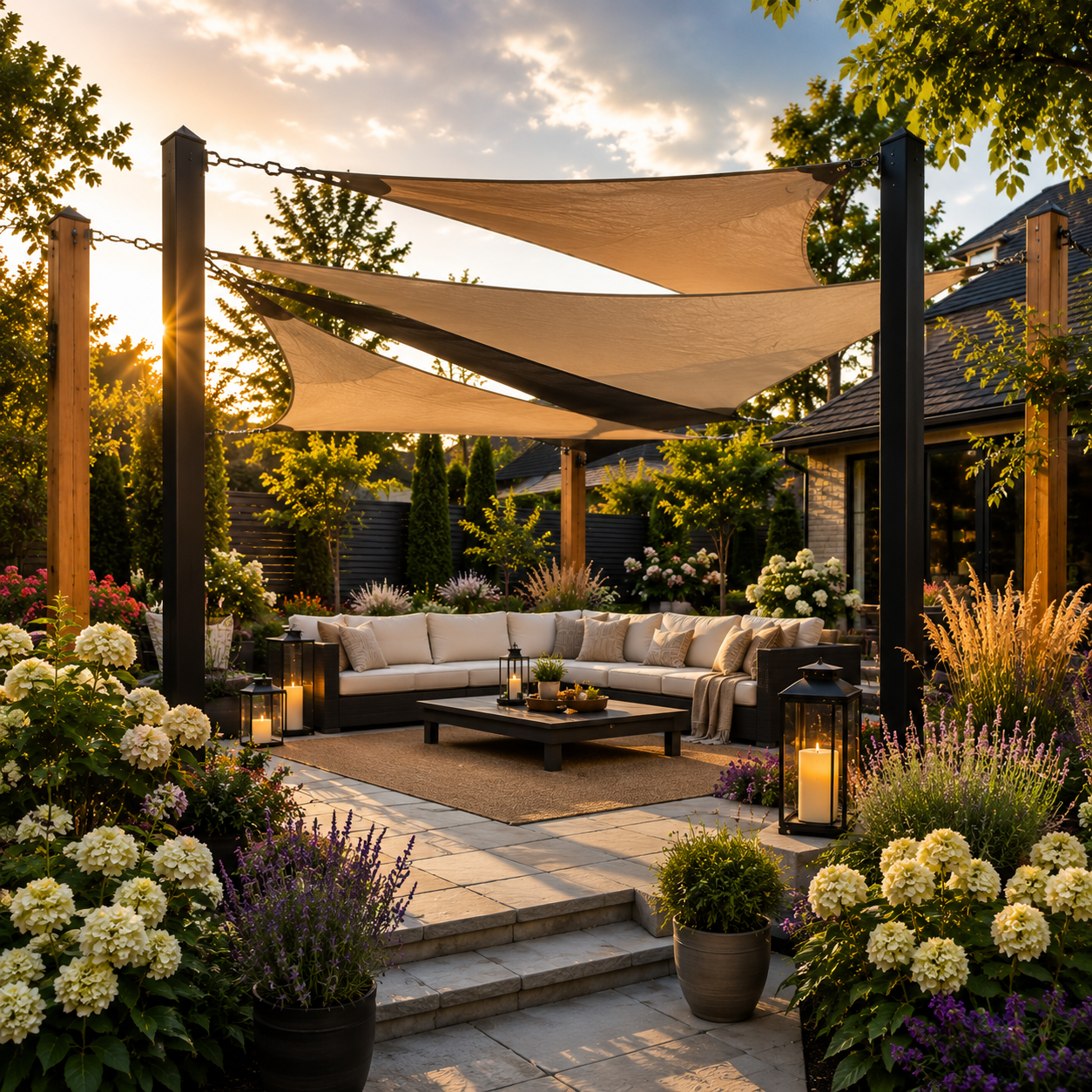
The popularity of DIY shade sail posts has grown rapidly because they offer a modern architectural look while remaining budget-friendly. Whether the goal is creating a cozy backyard lounge, protecting a children’s play area, or adding shade beside a swimming pool, properly designed shade sail posts can make a huge difference.
The best part is that shade sail posts can be customized to match nearly any outdoor design style. From sleek modern steel posts to rustic wooden supports and decorative architectural columns, there are endless possibilities for creating a stunning outdoor environment.
In this guide, we’ll explore the Best 3 DIY Shade Sail Posts that combine durability, beauty, and practicality while helping create an outdoor space you’ll enjoy throughout the year.
Why DIY Shade Sail Posts Are Worth Building
Before choosing a design, it’s important to understand why shade sail posts have become one of the most popular backyard improvements.
Unlike permanent roof structures, shade sails create a lighter, more open atmosphere. They allow airflow to circulate while still providing substantial protection from direct sunlight. This creates a cooler and more comfortable outdoor environment without making the space feel enclosed.
Another advantage is flexibility. Shade sails come in many shapes, sizes, and colors. Because of this, homeowners can create custom layouts that fit unique outdoor spaces perfectly.
DIY installation also saves a significant amount of money compared to hiring contractors to build pergolas, gazebos, or covered patios. With proper planning and sturdy posts, a shade sail system can last for many years while maintaining its modern appearance.
Comparing the Best DIY Shade Sail Posts
Choosing the right type of post is one of the most important decisions in the entire project.
| DIY Shade Sail Post Type | Durability | Cost | Appearance | Maintenance |
|---|---|---|---|---|
| Pressure-Treated Wooden Posts | High | Affordable | Rustic and Natural | Medium |
| Powder-Coated Steel Posts | Very High | Moderate | Modern and Clean | Low |
| Decorative Architectural Posts | High | Higher | Premium and Elegant | Low to Medium |
Each option offers unique benefits depending on budget, design preferences, and installation requirements.
🥇 Best 1 DIY Shade Sail Posts Using Heavy-Duty Steel
When it comes to strength and longevity, heavy-duty steel posts are often considered the gold standard for shade sail installations.
Steel provides exceptional resistance against wind loads and tension forces generated by stretched shade sails. Because shade sails function similarly to large outdoor sails, they can generate substantial pressure during windy conditions. Steel posts handle these forces more effectively than many other materials.
The sleek appearance of steel also complements contemporary outdoor designs beautifully. Black powder-coated steel posts, in particular, create a sophisticated architectural look that pairs well with modern patios, outdoor kitchens, and pool decks.


Benefits of Steel DIY Shade Sail Posts
One of the biggest advantages is durability. Steel posts can withstand years of exposure to sun, rain, and changing weather conditions without significant deterioration.
Another benefit is reduced maintenance. Unlike wood, steel won’t warp, crack, split, or become vulnerable to insects.
Homeowners seeking a clean and minimalist aesthetic often choose steel because its slim profile creates a more elegant visual appearance compared to bulkier support structures.
Installation Tips for Steel Shade Sail Posts
Proper installation begins with deep concrete footings. Most experts recommend burying approximately one-third of the total post length into concrete.
For example, an 11-foot post may require nearly 4 feet embedded underground to ensure stability.
Installing posts with a slight outward lean can also help compensate for the tension applied once the sail is fully tightened.
Careful alignment and precise measurements are essential because steel posts become permanent structural elements after the concrete cures.
Design Ideas for Steel Shade Sail Posts
Modern backyard designs often feature black steel posts combined with triangular or rectangular shade sails.
Poolside areas look particularly impressive when multiple sails are arranged at varying heights, creating visual depth and architectural interest.
Integrated LED lighting mounted on steel posts can further enhance the space, transforming the area into a beautiful nighttime gathering spot.
🥈 Best 2 DIY Shade Sail Posts Made from Pressure-Treated Wood
For homeowners who love warm and natural outdoor aesthetics, pressure-treated wooden posts remain one of the most popular choices.
Wood blends seamlessly into garden environments and complements many landscaping styles, including cottage gardens, farmhouse landscapes, rustic patios, and traditional backyards.
Pressure-treated lumber is specifically designed to resist moisture, insects, and rot, making it suitable for outdoor installations.

Advantages of Wooden DIY Shade Sail Posts
Wood offers unmatched natural charm.
The organic texture and rich grain patterns create a welcoming atmosphere that feels relaxed and inviting. Many homeowners prefer wood because it appears softer and more integrated with surrounding plants and garden features.
Wooden posts are also easier for DIY enthusiasts to modify using standard tools.
Additional accessories such as planters, decorative brackets, hanging baskets, and outdoor lighting can be attached easily.
Choosing the Right Lumber
Not all lumber is suitable for shade sail installations.
Posts measuring 6×6 inches are commonly recommended because they provide sufficient strength to support sail tension.
Pressure-treated pine is often the most economical option, while cedar offers enhanced natural resistance to decay and a more premium appearance.
Selecting straight, high-quality lumber reduces the risk of future twisting or warping.
Creative Wooden Shade Sail Post Ideas
A beautiful approach is incorporating the posts into a larger landscape design.
For example, built-in planter boxes around the base can soften the structure while adding colorful flowers and greenery.
Some homeowners stain their posts dark walnut or cedar brown to create a luxury outdoor resort atmosphere.
Others prefer a weathered gray finish that blends naturally into cottage-style gardens.
Important Note: Always verify local building codes and utility locations before digging post holes. Underground electrical lines, water pipes, and drainage systems can create serious safety hazards if damaged during installation.
🥉 Best 3 DIY Shade Sail Posts with Decorative Architectural Designs
For those seeking a truly eye-catching outdoor feature, decorative architectural posts provide a premium solution.
Rather than functioning solely as support structures, these posts become part of the overall landscape design and contribute significantly to visual appeal.
Architectural posts can be created using decorative columns, stone-clad supports, timber-wrapped steel cores, or custom-built structures.

Why Architectural DIY Shade Sail Posts Stand Out
These designs elevate a simple shade sail installation into a luxury outdoor living feature.
Architectural posts create a sense of permanence and sophistication. Guests often perceive the space as professionally designed because the support structures appear intentional and decorative rather than purely functional.
They also provide opportunities for creative customization.
Homeowners can incorporate lighting, decorative trim, climbing plants, built-in seating, and integrated planters directly into the posts.
Popular Architectural Post Styles
Modern luxury landscapes often feature stone-clad columns paired with neutral-colored shade sails.
Mediterranean-inspired outdoor spaces frequently use stucco-covered columns that complement warm earth-tone hardscaping.
Farmhouse designs commonly incorporate chunky timber posts with decorative brackets and natural wood finishes.
Each style creates a unique visual identity while maintaining structural functionality.
Enhancing Architectural Shade Sail Posts
The addition of landscape lighting can dramatically improve the overall effect.
Up-lighting installed near the base highlights textures and creates dramatic nighttime visual appeal.
Climbing plants such as jasmine, clematis, or climbing roses can soften hard surfaces and blend the structure into surrounding garden areas.
Decorative gravel, natural stone edging, and lush planting beds around the posts further enhance the finished appearance.
Essential Materials for DIY Shade Sail Posts
Regardless of the chosen design, several materials are typically required.
Structural Components
- Posts
- Concrete mix
- Gravel base
- Post caps
- Stainless steel hardware
- Turnbuckles
- Eye bolts
- Shade sail attachment brackets
Installation Tools
- Post hole digger
- Shovel
- Level
- Tape measure
- Concrete mixing tools
- Drill
- Wrench set
- Safety equipment
Using high-quality hardware is crucial because the attachment points experience significant tension over time.
Stainless steel components are highly recommended due to their resistance to corrosion.
Common DIY Shade Sail Post Mistakes to Avoid
Even attractive shade sail installations can fail if certain mistakes are made during construction.
Using Undersized Posts
One of the most frequent problems involves choosing posts that are too small.
Thin posts may flex excessively or even fail under tension and wind loads.
Investing in larger, stronger posts creates a safer and longer-lasting installation.
Insufficient Concrete Footings
The foundation determines the stability of the entire structure.
Shallow footings often lead to leaning posts and structural instability.
Deep, properly reinforced concrete footings provide significantly better long-term performance.
Ignoring Water Drainage
Shade sails should never be installed perfectly flat.
A slight slope allows rainwater to run off instead of pooling in the center.
Standing water increases weight dramatically and may damage both the sail and support structure.
Poor Hardware Selection
Cheap hardware can corrode quickly and compromise safety.
Marine-grade stainless steel fittings provide superior durability and performance.
How to Choose the Best DIY Shade Sail Posts for Your Yard
Every outdoor space is different, so the ideal solution depends on individual priorities.
Homeowners focused on maximum strength and modern aesthetics will often prefer steel posts.
Those seeking a natural and affordable option may find pressure-treated wood more appealing.
For luxury landscapes and upscale outdoor living spaces, decorative architectural posts create the most dramatic visual impact.
Considering factors such as climate, budget, maintenance preferences, and design style helps narrow the choices and ensures long-term satisfaction.
Final Thoughts on DIY Shade Sail Posts
The right DIY shade sail posts can completely transform an outdoor space by adding comfort, shade, and architectural beauty. Whether choosing the industrial strength of steel, the timeless charm of wood, or the elegance of decorative architectural supports, each option offers unique advantages.
The Best 3 DIY Shade Sail Posts highlighted here provide solutions for a wide range of budgets and design preferences. With careful planning, proper installation, and quality materials, a shade sail structure can become one of the most valuable and visually impressive upgrades for any backyard.
A thoughtfully designed shade sail not only protects against the sun but also creates an inviting outdoor destination where family and friends can relax, entertain, and enjoy the outdoors in style for years to come.
Related posts:

Top 3 Ganpati Decoration at Home Ideas That Will Make Your Celebration Look Absolutely Stunning

Top 3 Dorm Whiteboard Ideas That Are Cute and Actually Useful
Top 3 Fall Entry Table Decor Ideas That Make Your Home Look Instantly Expensive

Top 3 Fall Chalkboard Ideas That Make Every Autumn Space Look Instantly Cozy

Top 3 Black Accent Walls That Make Any Room Look Instantly More Expensive